
Qatar Signals Progress in US-Iran War Talks
Qatar's foreign ministry said mediators including Qatar, Pakistan, and Oman have reached "very progressive stages" in efforts to end the US-Iran war, pushing Brent crude down more than four percent.
Key Takeaways
May 8, 2026 · 2 min read · By Rishabh Bhardwaj
·
AI-assisted, human-reviewed · Our editorial standards
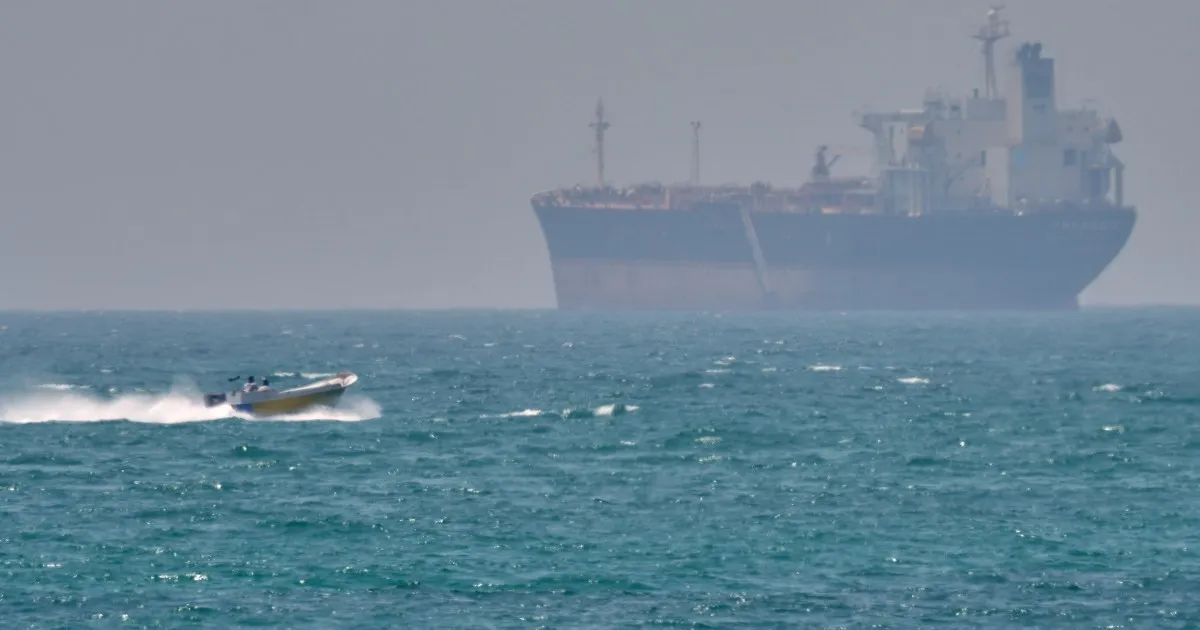
Oil prices rose sharply after United States and Iranian forces exchanged fire in the Strait of Hormuz, one of the world's most critical energy chokepoints. Brent crude climbed on the news as traders priced in the risk of supply disruption through the narrow passage that connects the Persian Gulf to global markets.
Roughly 20% of the world's oil supply moves through the Strait of Hormuz every day. Any disruption, even a temporary one, can tighten global supply fast, since there are few viable alternative routes for Gulf producers to move crude at scale. That makes the waterway one of the single biggest geographic risk factors for energy markets.
When military exchanges occur in or near the strait, oil traders tend to respond quickly. The concern is not just immediate blockage but the possibility that sustained tensions could slow tanker traffic, raise insurance costs for shipping companies, or prompt producers to cut back on transit volumes. All of those factors push prices higher.
The source confirms that Brent crude rose and that US and Iranian forces traded fire in the strait. The scale of the clashes, whether any vessels were hit, and how each side characterized the exchange are not detailed in available reporting. Those specifics matter for assessing whether this is an isolated incident or the start of a broader escalation.
Iran has previously threatened to close the strait during periods of heightened tension with the United States, though it has never followed through entirely. Any move toward a blockade would affect not just US-bound oil but supplies heading to Europe, India, China, and Japan, economies that depend heavily on Gulf crude.
For India specifically, the stakes are high. India imports a large share of its oil from Gulf producers, and a sustained price spike or shipping disruption through Hormuz would feed directly into fuel costs, inflation, and the current account deficit.
Watch for official statements from both Washington and Tehran, any movement of US naval assets in the region, and whether other Gulf producers or shipping companies signal changes to their transit plans. A ceasefire or de-escalation statement could reverse the price move quickly; further clashes would likely push Brent higher still.
Qatar's foreign ministry said mediators including Qatar, Pakistan, and Oman have reached "very progressive stages" in efforts to end the US-Iran war, pushing Brent crude down more than four percent.
Qatar confirmed it is mediating between the US and Iran but said no direct talks are currently planned. The clarification follows conflicting statements from President Trump, who claimed talks are under way, and Tehran, which denied any dialogue is happening.
Saudi Aramco reported sharply higher second-quarter 2026 profits as the Iran war restricts global oil supply and pushes crude prices up. Other oil supermajors also posted outsized earnings, raising concerns about sustained fuel cost pressure for importing economies.
President Trump called current Iran negotiations the "last chance" to end five months of conflict, pushing oil prices higher. Tehran denied formal talks are taking place, raising the risk of a diplomatic breakdown with direct consequences for global energy markets.