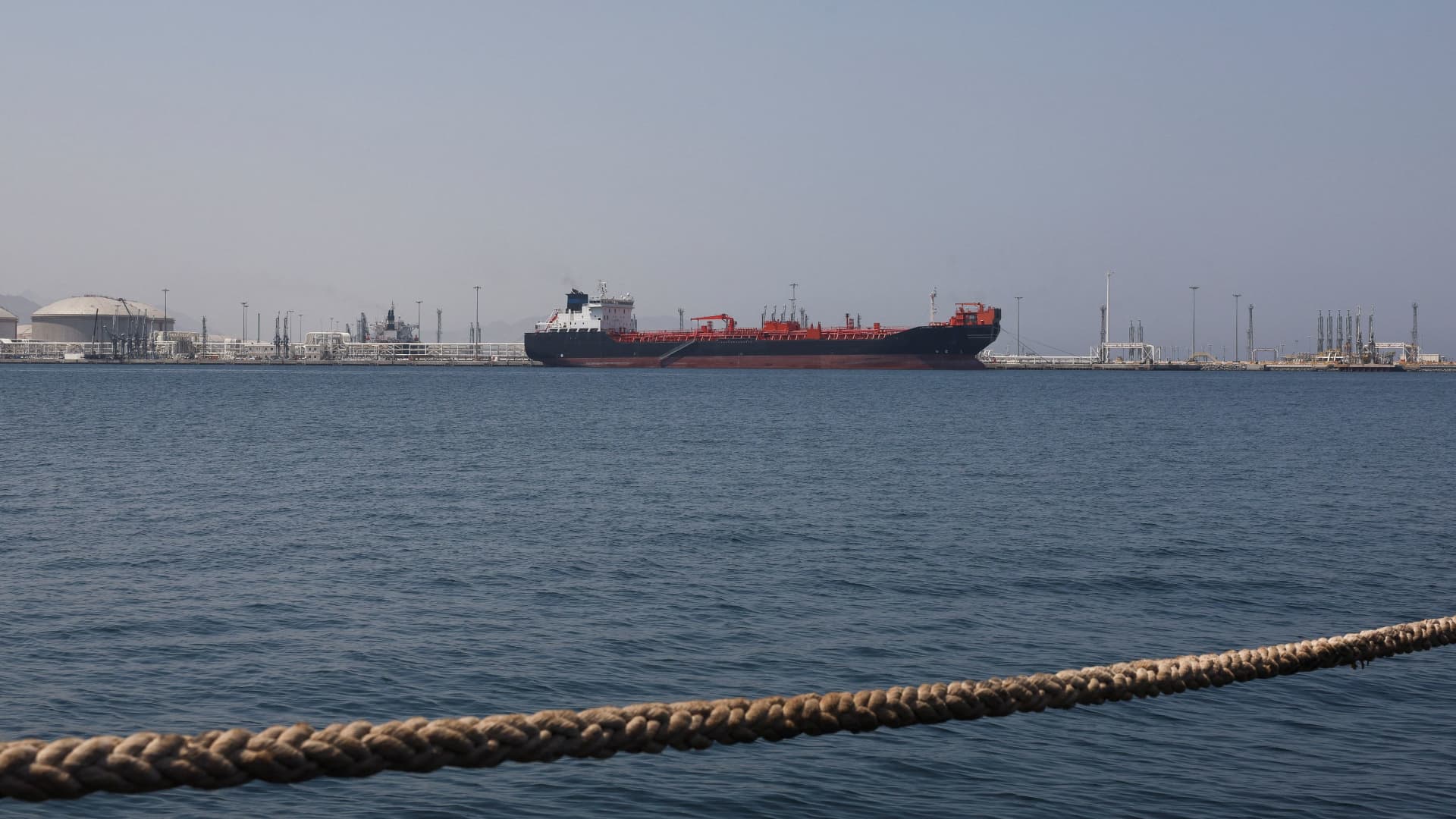
Oil prices dropped below $100 a barrel on Thursday as traders weighed the risk of a broader confrontation between the United States and Iran, with much of the concern centering on the Strait of Hormuz, the narrow waterway through which roughly a fifth of the world's oil supply passes.
Why the Strait of Hormuz matters
The Strait of Hormuz sits between Iran and Oman at the mouth of the Persian Gulf. About 20 million barrels of oil move through it every day, supplying markets across Asia, Europe, and beyond. Iran has threatened in the past to close the strait during periods of heightened tension with the West, and traders treat any credible signal of disruption there as a direct supply threat.
When that risk rises, oil prices typically spike. When it appears to ease, or when markets decide the risk is being overstated, prices pull back. Thursday's move below $100 suggests traders are reassessing how serious the current standoff is likely to get, at least in the near term.
What's moving markets
The article does not specify a single trigger for Thursday's drop, but the direction reflects a broader pattern: oil has been volatile as investors track each development in U.S.-Iran relations for signs of escalation or de-escalation. Any diplomatic signal, troop movement, or statement from either government can shift the price quickly.
The $100 level itself carries weight in oil markets. It is a round number that traders, analysts, and policymakers treat as a psychological threshold. A sustained move below it could ease pressure on inflation in oil-importing countries, including India, which depends heavily on crude imports to meet its energy needs.
For consumers and businesses, cheaper oil typically feeds through to lower fuel prices, reduced transport costs, and some relief on goods that rely on energy-intensive production. Central banks in countries fighting inflation will be watching the trend closely, since energy is a major driver of headline price indices.
The key question now is whether the U.S.-Iran standoff stabilizes, escalates, or moves toward some form of negotiated easing. A return to the 2015 nuclear deal, or a new framework, could bring Iranian oil exports back to global markets and add meaningful supply. Failure to reach any agreement, or a military incident near the strait, could reverse Thursday's drop sharply.