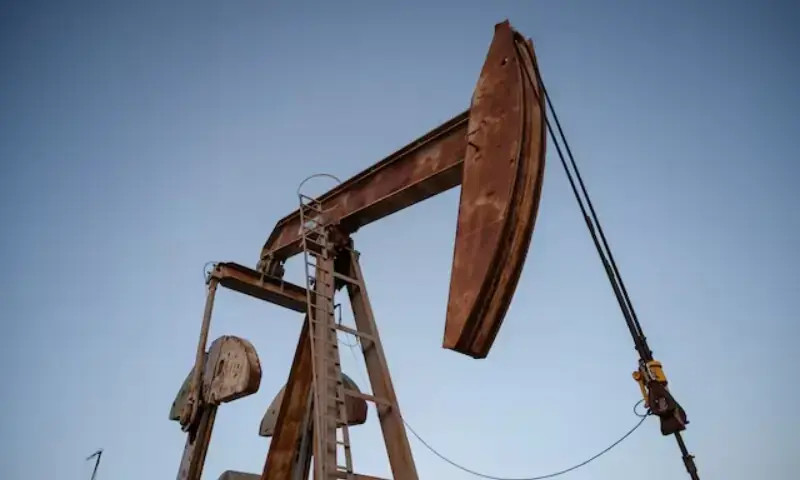
Oil prices dropped about two percent on Wednesday to their lowest point since February, as diplomatic talks between the United States and Iran in Qatar eased fears of a supply disruption through the Strait of Hormuz. Brent crude fell $1.69 to $71.26 a barrel, while US West Texas Intermediate slipped $1.31 to $68.19, both benchmarks hitting four-month lows.
The price move was driven almost entirely by sentiment around the Qatar negotiations. US President Donald Trump said publicly that the US was getting along well with Iran and that the meetings had gone well. A source with direct knowledge of the talks and an Iranian official confirmed that the US and Iran held technical talks in Doha focused on two issues: securing free shipping through the Strait of Hormuz and locking in a lasting ceasefire.
Why the Strait of Hormuz matters so much
The Strait of Hormuz is the world's most critical oil chokepoint. About one-fifth of global oil supply passes through the narrow waterway between Iran and Oman. Any sustained blockage or military threat to tanker traffic there can send energy prices sharply higher within days. The two countries have exchanged military strikes over the past week, and both sides have publicly disputed what their interim agreement actually means, keeping markets on edge.
Despite that tension, tanker traffic through the strait has begun recovering. US Vice President JD Vance said oil flows through the waterway had returned to pre-war levels, though he did not cite specific figures. That recovery, combined with Trump's optimistic public tone, gave traders enough confidence to price in a lower risk premium on crude.
Saxo Bank analyst Ole Hansen said the Qatar talks being perceived as positive had allowed prices to drift lower, and added there was a chance prices could fall further if the diplomatic track holds. Phil Flynn, senior analyst for Price Futures Group, framed the market move in broader supply terms: once the geopolitical tension clears, he said, global oil production could reach record highs, with the market already beginning to price in that outcome.
What this means for markets and consumers
A sustained drop in oil prices below $70 per barrel for Brent would filter through to lower fuel costs across Asia, Europe, and the United States within weeks. For India, which imports roughly 85 percent of its crude oil needs, cheaper Brent directly reduces the country's import bill and eases pressure on the rupee and the current account deficit. It also gives the government more room on fuel pricing and inflation management.
For global energy markets, the signal is significant. The drop suggests traders believe the worst-case scenario, a prolonged closure or military escalation at the Strait of Hormuz, is now less likely. When risk premiums built into oil prices for geopolitical disruption fade, prices tend to fall quickly, as this week's move shows.
That said, the situation remains fragile. The US and Iran have not resolved the underlying disagreement over their interim pact, and both sides have continued to interpret it differently in public. Any breakdown in the Doha technical talks, or a return of military strikes near the strait, could reverse the price drop just as fast.
Flynn's comment that global production could hit record levels once the conflict recedes points to another pressure on prices: OPEC+ has been gradually unwinding supply cuts, and US shale output remains high. If the geopolitical risk premium evaporates and supply continues to grow, oil prices could face sustained downward pressure through the second half of 2026.
For now, the market is reading the Qatar talks as a de-escalation signal. Whether that reading holds depends on what comes out of Doha in the days ahead.