
Qatar Signals Progress in US-Iran War Talks
Qatar's foreign ministry said mediators including Qatar, Pakistan, and Oman have reached "very progressive stages" in efforts to end the US-Iran war, pushing Brent crude down more than four percent.
Key Takeaways
May 11, 2026 · 2 min read · By Rishabh Bhardwaj
·
AI-assisted, human-reviewed · Our editorial standards
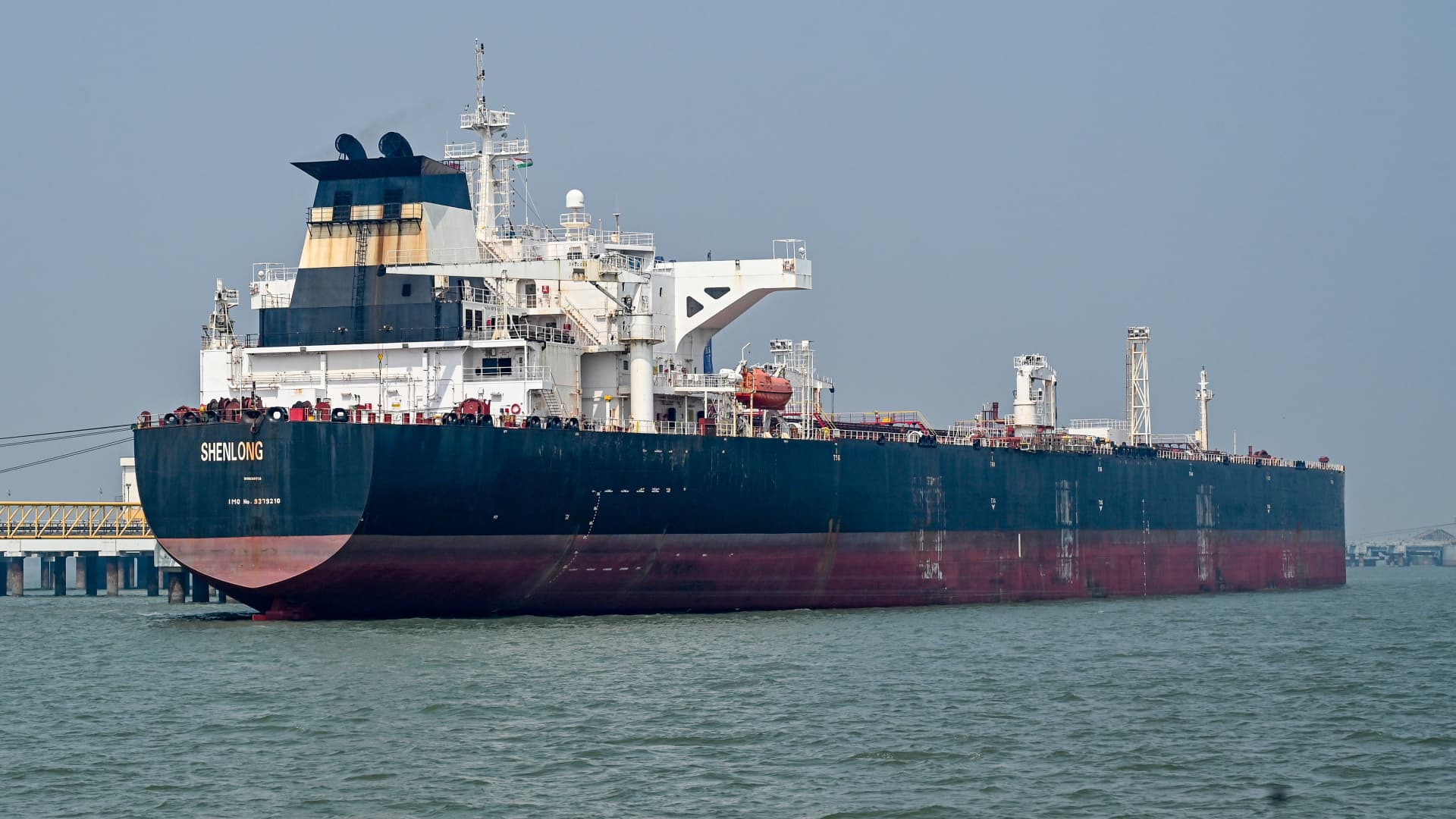
Oil prices rose on Monday after Israeli Prime Minister Benjamin Netanyahu declared that the conflict with Iran is "not over," and U.S. President Donald Trump rejected a proposal from Tehran aimed at ending hostilities.
The statements came as markets reopened after the weekend, and traders moved quickly to price in the risk that fighting between Israel and Iran could escalate or drag on longer than expected. Oil is acutely sensitive to Middle East tensions because the region sits at the center of global supply routes, including the Strait of Hormuz, through which roughly 20% of the world's traded oil passes.
Netanyahu's warning signals that Israel does not consider the current phase of conflict resolved, even as diplomatic channels were apparently active enough for Iran to put a proposal on the table. Trump's rejection of that proposal removes a near-term off-ramp, keeping the risk of further military action alive. When the path to de-escalation narrows, oil markets tend to add a risk premium to prices, essentially a buffer traders build in to account for the chance that supply could be disrupted.
Iran is a significant oil producer and a member of OPEC. Any disruption to Iranian exports, or to shipping lanes in the Persian Gulf, would tighten global supply at a time when markets are already navigating uncertain demand signals from major economies.
The immediate question is whether Netanyahu's statement reflects a genuine plan for further military action or is intended as a diplomatic signal. Trump's rejection of Tehran's proposal keeps the U.S. aligned with Israel's posture for now, but the terms of Iran's proposal, and why Washington dismissed it, have not been detailed in the available reporting.
For oil markets, the key variables are whether physical supply is disrupted, whether Iran responds militarily, and whether other major producers move to offset any shortfall. Until one of those variables shifts clearly, prices are likely to stay elevated as long as the conflict remains unresolved. Investors in energy stocks, shipping, and currencies of oil-exporting nations will be watching diplomatic signals closely in the days ahead.
Qatar's foreign ministry said mediators including Qatar, Pakistan, and Oman have reached "very progressive stages" in efforts to end the US-Iran war, pushing Brent crude down more than four percent.
Qatar confirmed it is mediating between the US and Iran but said no direct talks are currently planned. The clarification follows conflicting statements from President Trump, who claimed talks are under way, and Tehran, which denied any dialogue is happening.
Saudi Aramco reported sharply higher second-quarter 2026 profits as the Iran war restricts global oil supply and pushes crude prices up. Other oil supermajors also posted outsized earnings, raising concerns about sustained fuel cost pressure for importing economies.
President Trump called current Iran negotiations the "last chance" to end five months of conflict, pushing oil prices higher. Tehran denied formal talks are taking place, raising the risk of a diplomatic breakdown with direct consequences for global energy markets.