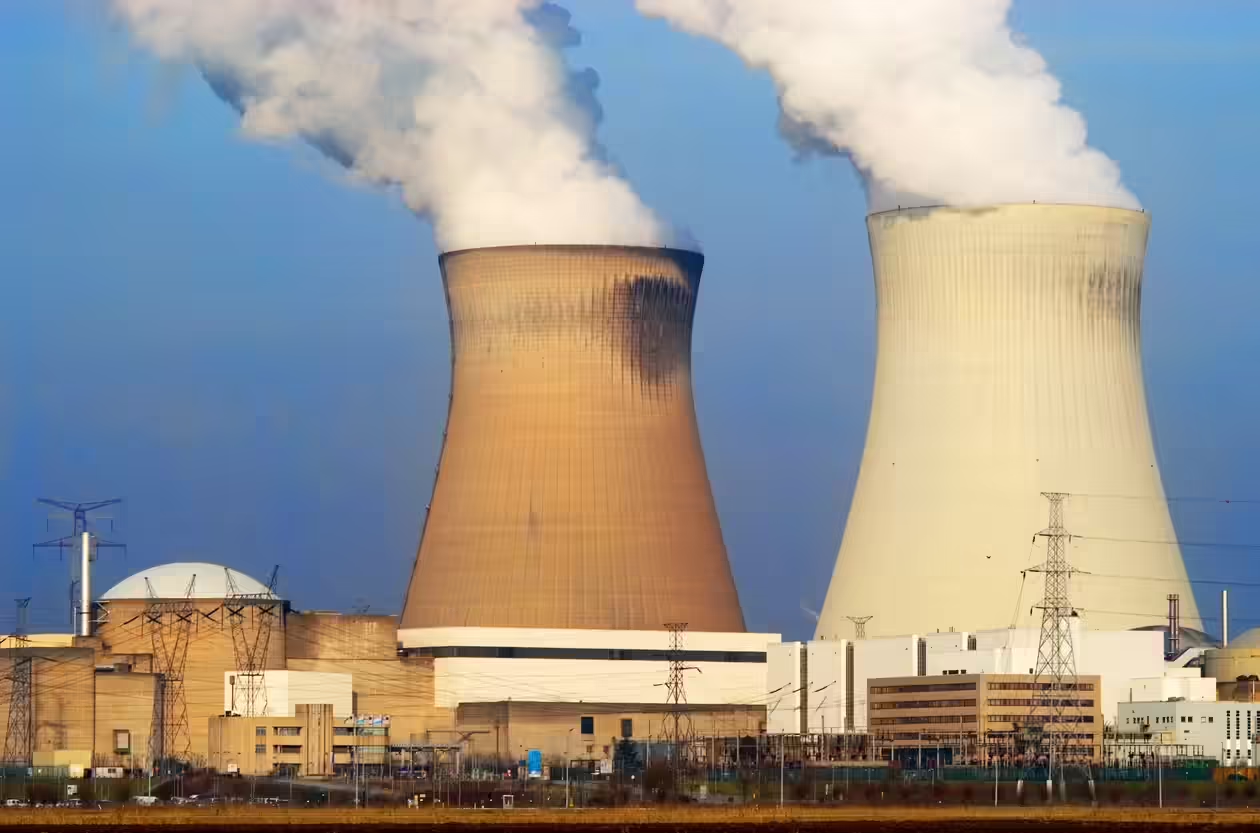
NTPC is preparing to submit its first feasibility study for a standalone nuclear power project to the Department of Atomic Energy, marking a concrete step in the state-owned utility's push to enter nuclear generation.
The study is a required gateway before any project can get formal government clearance. Submitting it signals that NTPC has moved from planning to active regulatory engagement, a meaningful shift for a company whose power generation has historically been built on coal and gas.
What NTPC Is Targeting
The company has set a target of 2 GW of nuclear capacity by 2032. That is a relatively modest figure compared to India's broader nuclear ambitions, but it would make NTPC a new player in a sector that has been the exclusive domain of Nuclear Power Corporation of India (NPCIL) for decades.
NTPC is also scouting sites in Bihar and other states, suggesting the company is running site selection and feasibility work in parallel rather than waiting for each approval stage to close before moving to the next.
Why This Matters
India's electricity demand is rising fast, and the government has been pushing to diversify generation away from coal. Nuclear power offers baseload capacity, steady, round-the-clock output, that solar and wind cannot provide on their own. Allowing NTPC into the nuclear space could accelerate project development by bringing in a second large public-sector developer with its own balance sheet and execution track record.
The feasibility study submission is an early-stage milestone, not a construction approval. The path from feasibility to a commissioned plant involves multiple regulatory steps, land acquisition, equipment procurement, and long construction timelines. A 2032 target for 2 GW is ambitious given these constraints and will depend heavily on how quickly approvals move through the Department of Atomic Energy and other bodies.
Watch for whether the feasibility study leads to a formal site sanction and what reactor technology NTPC proposes, those details will shape both the project timeline and its cost structure.