The petroleum ministry has denied any plan to raise petrol or diesel prices from May 1, pushing back against widespread speculation of an imminent hike. A ministry official made the clarification directly, calling out the rumours that had already started changing consumer behaviour on the ground. The speculation had gained traction after key state elections concluded, a period when fuel price changes are often expected since governments typically avoid hikes during active campaign seasons. That pattern appears to have triggered fears this time, even without any official signal. The rumours were enough to cause panic buying and long queues at fuel stations in several areas, showing how quickly pricing expectations can affect real-world demand. Fuel prices in India are set by state-run oil marketing companies and have been held steady for an extended period. The denial puts a floor under the immediate anxiety, but watch for any official revision to retail fuel pricing in the weeks ahead, particularly if global crude prices shift or subsidy pressures on oil companies build further.
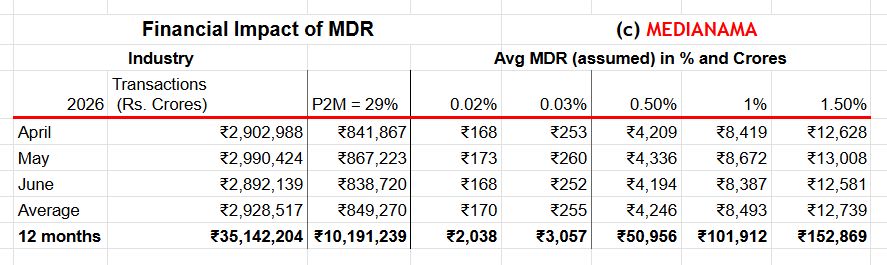
India's government plans to amend the Payment and Settlement Systems Act to restore UPI merchant discount rates, ending the zero-MDR regime in place since January 2020.
India's government has introduced the Taxation and Other Laws (Amendment) Bill, 2026, proposing changes to payments regulation, income tax, and the Finance Act to attract FDI and support Make in India. The Bill's final shape will depend on parliamentary debate and committee review.
The government's Taxation and Other Laws (Amendment) Bill, 2026, proposes to replace the blanket UPI MDR ban with a system allowing the Centre to notify which payment modes stay fee-free.
Prime Minister Narendra Modi inaugurated the Rs 5,000 crore Bhogapuram greenfield airport in Andhra Pradesh, built under a public-private partnership model. He also laid foundation stones for infrastructure projects worth nearly Rs 18,000 crore in the state, signalling a broad investment push for the region.