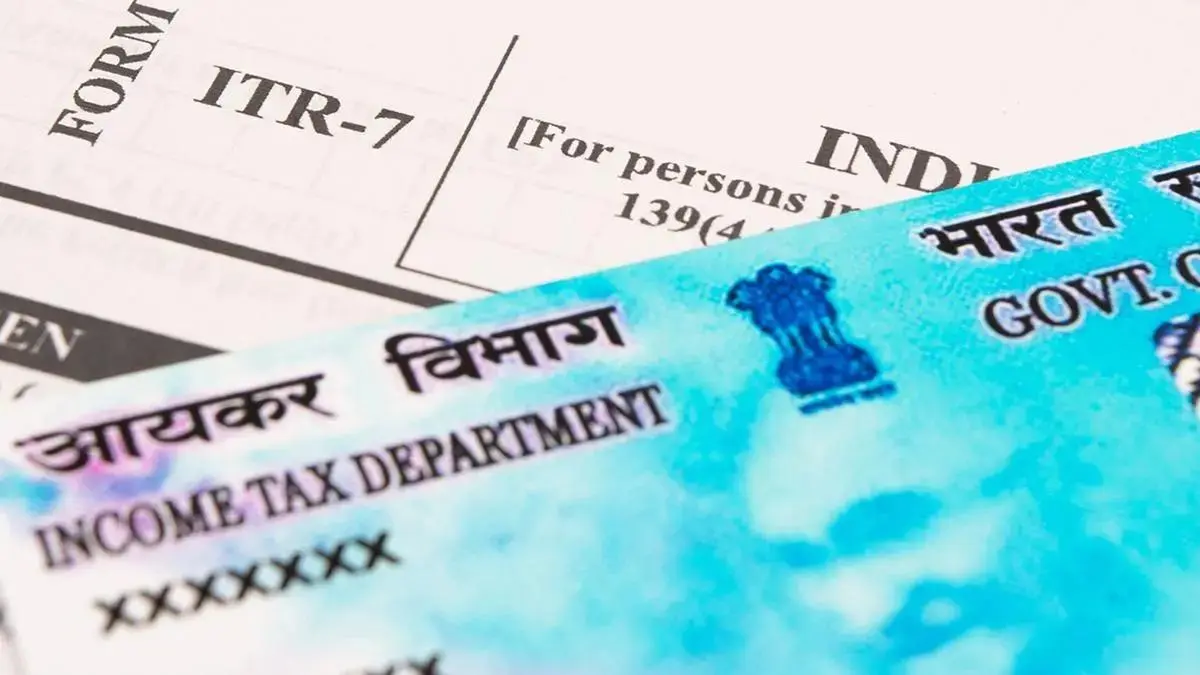
At least 20 newly registered foreign portfolio investors (FPIs) have been unable to open trading accounts in India for roughly a month, after changes to the country's KYC and PAN application process created an unexpected bottleneck, according to sources familiar with the matter.
The problem centres on two linked processes: the Common Application Form (CAF), which FPIs use to register with Indian markets, and the Permanent Account Number (PAN) application, which is mandatory before any investor can trade. Changes made to both processes have left new FPIs in a gap, registered in principle but unable to get the PAN needed to actually operate.
What Changed and Why It Matters
The CAF is a unified form administered through designated depository participants (DDPs) that allows foreign investors to register with SEBI and open accounts simultaneously. The PAN, issued by India's income tax department, is a separate but essential step, without it, no securities account can be activated and no trades can be settled. When changes were made to both systems, the handoff between them appears to have broken down, leaving new applicants in limbo.
For the affected FPIs, this is not a minor delay. Unable to receive PANs, they cannot open custodian or broker accounts, which means capital they may have already earmarked for Indian markets is sitting idle. In some cases, funds may face internal deadlines or mandate constraints that make prolonged delays a compliance issue in their home jurisdictions as well.
Broader Market Concern
While 20 investors may sound like a small number, the signal matters more than the count. India has been actively courting foreign capital, and frictions in the onboarding pipeline, especially for newly registered entities, can discourage allocations before they begin. FPIs that encounter administrative delays at entry are less likely to return quickly if they shift allocations elsewhere.
The issue also points to a coordination risk between SEBI's registration infrastructure and the income tax department's PAN issuance system. Both agencies have independent processes, and when either changes its system without a synchronized update to the other, new applicants bear the cost.
It is not yet clear whether the affected FPIs are from specific geographies or asset classes, or whether SEBI and the tax department have begun working on a fix. The duration, roughly a month without resolution, suggests the problem is not trivial to patch. Investors and their DDPs will be watching for an official communication or process update that reopens the pipeline.