India to Restore UPI Merchant Fees, PhonePe Gains Most
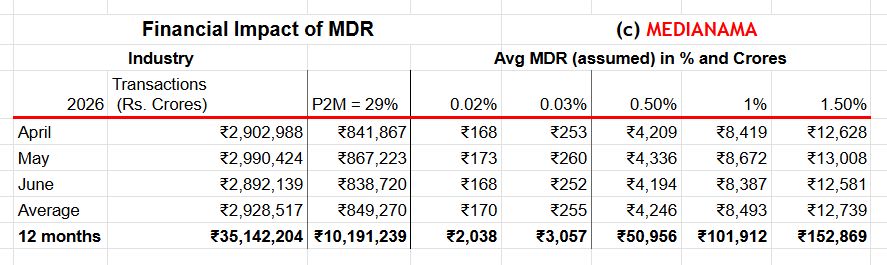
India's government plans to amend the Payment and Settlement Systems Act to restore UPI merchant discount rates, ending the zero-MDR regime in place since January 2020.
Key Takeaways
June 2, 2026 · 5 min read · By Rishabh Bhardwaj
·
AI-assisted, human-reviewed · Our editorial standards
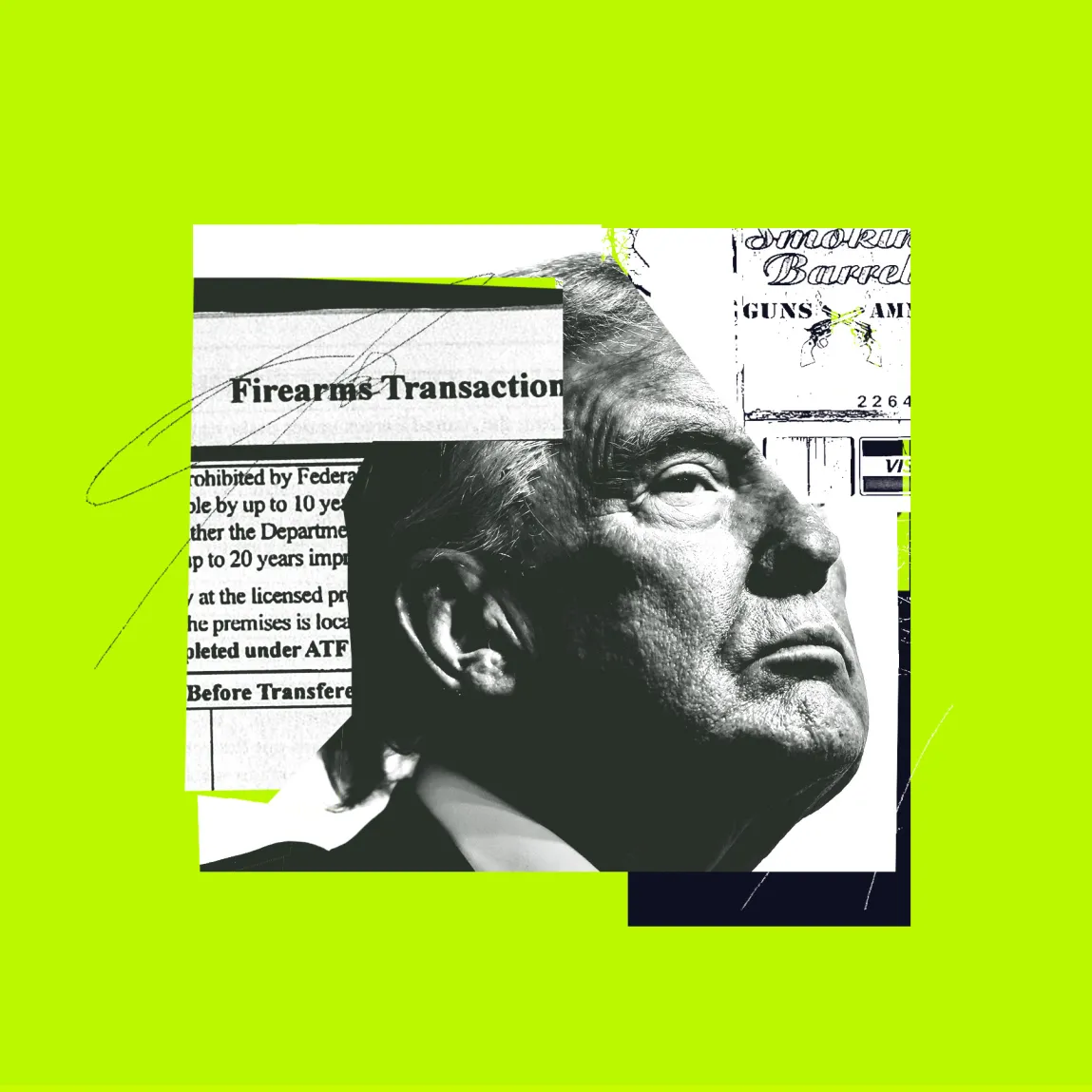
The Trump administration has quietly dismantled most of the federal infrastructure built under President Joe Biden to curb illegal gun trafficking. License revocations have dropped 69%, criminal referrals are down, hundreds of Bureau of Alcohol, Tobacco, Firearms and Explosives agents have been shifted to immigration work, and prosecutors are declining more trafficking cases. The people who built that enforcement system say the effects on public safety will not appear immediately, but they will appear.
The Biden-era push began in earnest in June 2021, when the administration announced a zero-tolerance policy: any licensed dealer found to be willfully breaking the law would lose its license, no warnings and no second chances. Annual revocations surged from fewer than 50 in each of 2019, 2020, and 2021 to a record 183 in 2024. At the same time, Congress passed the Bipartisan Safer Communities Act in 2022, which added a firearms trafficking conspiracy charge and a straw-purchasing charge to federal law, giving prosecutors new tools they had been asking for. Over the final years of Biden's term, more than 500 defendants were charged under those new statutes.
The enforcement surge followed the data. Of the 2.3 million firearms traced from crime scenes between 2017 and 2023, 87% were found in someone other than the original legal buyer. An Everytown analysis of ATF statistics found that stores sold roughly 1.3 million guns to traffickers over that same period, guns that were later recovered at crime scenes. A small number of dealers account for a disproportionate share of that flow, which is why license revocations carry outsized consequences for public safety.
The Trump administration repealed zero tolerance, then went further, actively inviting revoked dealers to reapply for new licenses. One Arizona shop whose revocation a federal judge upheld after finding it had "purposefully disregarded regulations" received a new license in July 2025 after submitting a fresh application. A dealer in Oregon whose renewal had been denied because of a domestic violence conviction was told by the Justice Department, without explanation, to resubmit and he would receive his license.
The staffing picture compounds the policy shift. Nearly 1,800 of ATF's roughly 2,500 agents took part in immigration enforcement operations, according to ICE records obtained by the Cato Institute. The agency's corps of roughly 800 industry operations investigators, who inspect dealers rather than investigate crimes, was trimmed further when about 125 accepted early retirement offers. One inspector in Baltimore described being directed to spend at least six hours a week scouring dealer records for buyers with foreign-sounding names and forwarding those names to the Department of Homeland Security. He retired in September. His team shrank from 10 investigators to six.
On the prosecution side, a ProPublica analysis found that the Justice Department declined 30% more ATF referrals for main trafficking-related charges in the first year of the Trump administration than in the year prior. ATF criminal referrals for those charges fell 15% in 2025 compared with 2024. The total number of gun-trafficking prosecutions held roughly steady, but about 30% of those cases now involve the border-crossing conspiracy statute, and roughly a fifth of all people charged under the 2022 trafficking law over 2024 and 2025 are in a single district, western Texas. The geographic and strategic concentration signals a deliberate reprioritization away from domestic trafficking networks.
Criminologists describe gun trafficking as a pipeline problem with a delayed feedback loop. Research shows the typical time between a gun's first sale and its appearance at a crime scene can run up to three years. That lag means the enforcement gains of the Biden years may still be suppressing violence now, while the consequences of the current pullback will show up later, in the form of more trafficked guns reaching the street.
One area of enforcement has held. The 2022 ATF rule requiring ghost guns, firearms assembled from kits without serial numbers, to meet the same regulations as commercial firearms survived a Supreme Court challenge. Researchers note that the reduced flow of ghost guns tracks with a sharp drop in shootings by teenagers, who were heavy users during the 2020 to 2021 homicide surge. The White House's 2027 budget proposed reversing those restrictions, and an April 2025 court filing suggested the ATF might amend the rule. Days later, however, the Justice Department told the court it would maintain the underlying definition. The ATF said legal reviews of other rules are still ongoing.
With federal enforcement scaled back, some local governments are trying to fill the gap. County sheriffs in the Philadelphia suburbs have begun conducting more dealer inspections to compensate for reduced ATF activity. But the scale of a voluntary local response cannot match a coordinated federal effort, and former ATF officials say the institutional knowledge built over years of trafficking investigations is hard to rebuild once it disperses.
Marianna Mitchem, who spent 21 years at the ATF and rose to associate assistant director before resigning last spring, put the risk plainly: the trafficking pipelines are not visible when no one is monitoring them, but the guns moving through them still arrive at their destinations. The harm, she and other researchers warn, is not cancelled by inattention. It is only deferred.
India's government plans to amend the Payment and Settlement Systems Act to restore UPI merchant discount rates, ending the zero-MDR regime in place since January 2020.
India's government has introduced the Taxation and Other Laws (Amendment) Bill, 2026, proposing changes to payments regulation, income tax, and the Finance Act to attract FDI and support Make in India. The Bill's final shape will depend on parliamentary debate and committee review.
The government's Taxation and Other Laws (Amendment) Bill, 2026, proposes to replace the blanket UPI MDR ban with a system allowing the Centre to notify which payment modes stay fee-free.
Prime Minister Narendra Modi inaugurated the Rs 5,000 crore Bhogapuram greenfield airport in Andhra Pradesh, built under a public-private partnership model. He also laid foundation stones for infrastructure projects worth nearly Rs 18,000 crore in the state, signalling a broad investment push for the region.