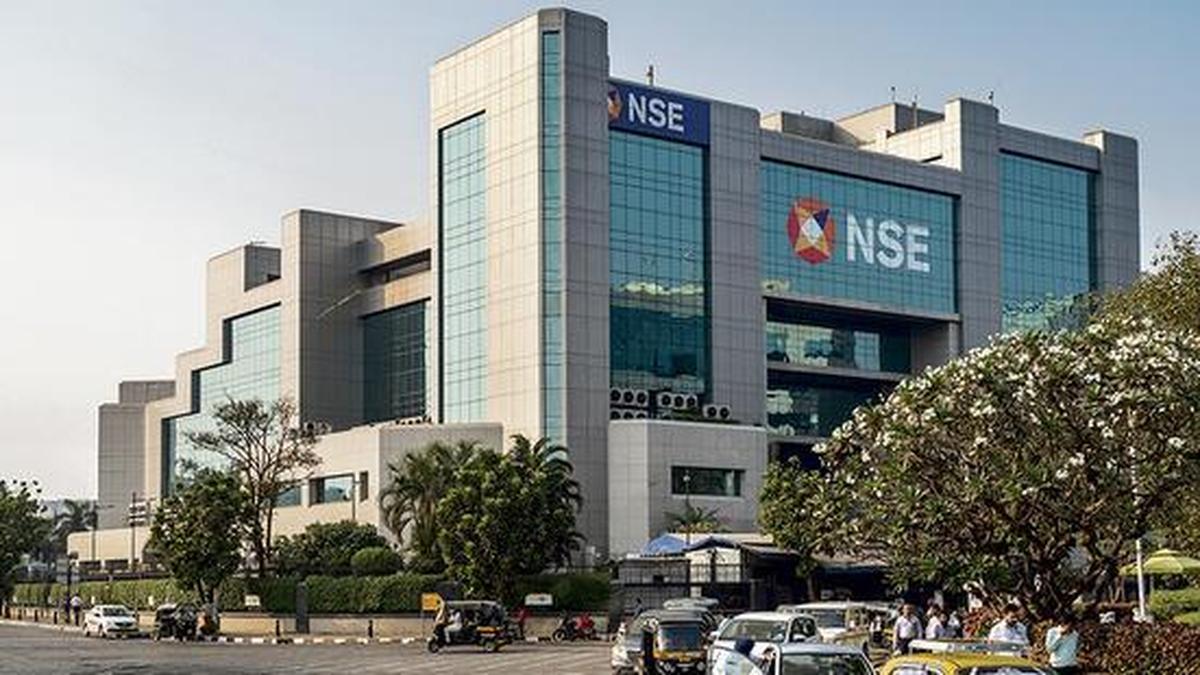
Indian equity markets fell for a third straight session on July 22, 2026, as rising crude oil prices and a broad selloff in banking stocks dragged the benchmark indices lower. The BSE Sensex dropped 0.92% to close at 76,755.05, after sliding as much as 1% intraday. The NSE Nifty fell 0.79% to end at 23,996.25, slipping back below the psychologically important 24,000 level.
A three-session losing streak signals sustained pressure rather than a one-day blip. When crude oil prices rise, it matters directly to India because the country imports roughly 85% of its oil needs. Higher crude pushes up fuel costs, widens the trade deficit, and can stoke inflation, all of which reduce corporate profit margins and squeeze household spending power.
Why Banks Took the Hit
Banking stocks led the decline, which amplifies the market's pain because banks carry significant weight in both the Sensex and the Nifty. When oil-driven inflation fears rise, investors worry that the Reserve Bank of India may hold interest rates higher for longer. That outlook pressures bank stocks in two ways: it slows loan growth as borrowing becomes more expensive, and it raises questions about asset quality if higher rates stress borrowers.
Banking counters are also among the most actively traded on Indian exchanges, so heavy selling there tends to drag the broader index more than equivalent selling in smaller sectors. The combination of macro headwinds from crude and sector-specific selling in financials created a compounding effect on both benchmarks.
What to Watch Next
The Nifty closing below 24,000 is a near-term technical concern. Traders and fund managers often treat round numbers as support levels, so a sustained break below that mark can trigger further algorithmic and stop-loss selling, deepening any pullback.
Crude oil price direction will be the key variable in the sessions ahead. If global oil prices stabilise or pull back, the dual pressure from inflation fear and banking stress could ease, giving domestic indices room to recover. If crude stays elevated or climbs further, expect continued caution among institutional buyers.
Investors should also watch for any signal from the RBI or the government on fuel pricing or inflation management, since a policy response could change the calculus quickly. Quarterly earnings from major private banks, if they land soon, will either confirm or counter concerns about margin compression and loan demand.
For now, the market's message is clear: until crude oil retreats and banking stocks find a floor, the path of least resistance for the Nifty and Sensex remains downward.