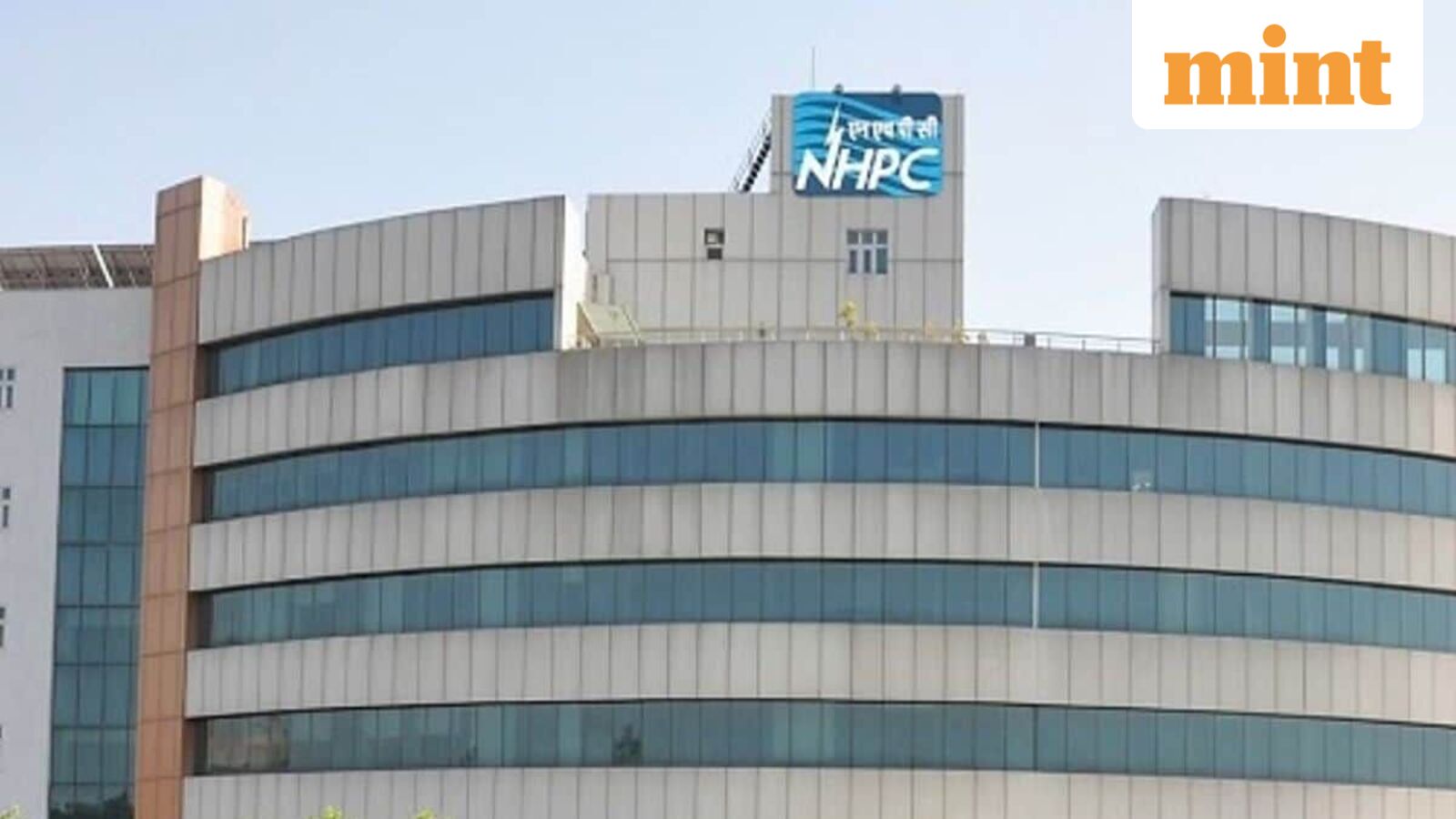
NHPC shares dropped nearly 6% after the Indian government announced it will sell a 6% stake in the state-owned hydropower company through an offer for sale, with a floor price set at ₹71 per share.
An offer for sale, or OFS, is a mechanism that lets the government sell shares it already holds directly on the stock exchange, without the company issuing new shares. It is one of the faster and more transparent ways the government raises money by reducing its stake in public sector firms.
The floor price of ₹71 acts as the minimum price at which bids can be placed. Both retail investors, typically individuals investing smaller amounts, and non-retail investors, such as institutions and high-net-worth buyers, are eligible to participate in this OFS.
Why the stock fell
A government stake sale of this size tends to push the share price down in the short term for a straightforward reason: it puts a large block of shares into the market at a fixed floor price. If that floor is below the current trading price, it signals to buyers that they can wait and pick up shares at a discount through the OFS rather than buying at market rates. This creates immediate selling pressure and price discovery shifts lower.
The nearly 6% drop reflects exactly that dynamic. Investors who bought NHPC shares at higher prices face diluted value in the near term as supply jumps sharply relative to normal daily trading volumes.
What this is part of
This OFS is part of the government's broader disinvestment strategy, which involves selling down stakes in state-owned enterprises to raise funds. NHPC is a central public sector enterprise focused on hydropower generation, making it a relatively stable utility asset with predictable cash flows. The government retains majority control even after this stake sale, so operational direction at the company is unlikely to change.
For the government, OFS transactions in listed companies like NHPC are a relatively low-friction way to meet disinvestment targets without going through a lengthier follow-on public offer process.
For existing shareholders, the short-term price impact is the main concern. Once the OFS closes and the new shares are absorbed by the market, the stock often stabilizes, particularly if the underlying business fundamentals remain intact. NHPC's position in the hydropower sector, which benefits from India's push toward renewable energy capacity, provides a longer-term demand story that institutional buyers are likely to weigh when deciding whether to bid.
Retail investors considering the OFS should note that the floor price of ₹71 represents the minimum, not a guaranteed price. Final allotment prices depend on how the bidding plays out, and retail participants often receive a small discount to the final price cut-off in OFS structures, though the specific terms here should be verified in the official offer document.
Watch whether the OFS is fully subscribed, particularly the institutional portion, as strong demand there would signal that large investors see value at or near the floor price. Weak subscription, on the other hand, could keep pressure on the stock even after the sale closes.