
Qatar Signals Progress in US-Iran War Talks
Qatar's foreign ministry said mediators including Qatar, Pakistan, and Oman have reached "very progressive stages" in efforts to end the US-Iran war, pushing Brent crude down more than four percent.
Key Takeaways
May 2, 2026 · 2 min read · By Rishabh Bhardwaj
·
AI-assisted, human-reviewed · Our editorial standards
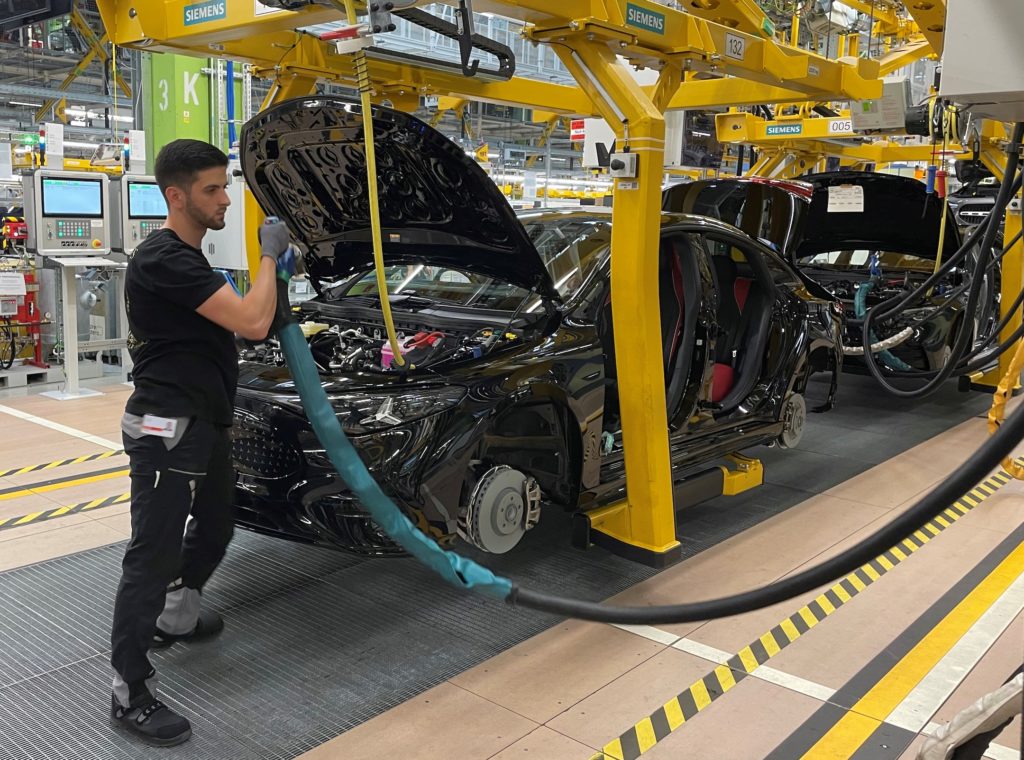
President Trump announced Friday that 25% tariffs on cars and trucks imported from the European Union will take effect next week. The move adds to existing trade tensions between Washington and Brussels and directly targets one of Europe's most significant export sectors. European automakers, including major German brands, sell hundreds of thousands of vehicles in the U.S. each year, and a 25% levy would sharply raise their costs or squeeze their margins.
The auto tariff announcement lands as U.S.-EU trade relations remain fragile. European governments have repeatedly warned of retaliation if Washington imposes broad tariffs on EU goods. A 25% rate on vehicles is steep enough to force automakers to reconsider pricing, supply chains, or U.S. production strategy. Consumers could see higher prices on imported European models if manufacturers pass the costs through.
Separately, the Pentagon confirmed it has signed agreements with seven major technology companies to deploy their artificial intelligence tools for defense purposes. The deals signal a broader push by the U.S. military to integrate commercial AI into its operations. The names of the seven companies were not specified in the available reporting, but the scale of the announcement, seven firms at once, suggests a deliberate effort to build redundancy and competition into defense AI procurement rather than relying on a single vendor.
In a federal court ruling, a former Miami congressman with close ties to Secretary of State Marco Rubio was convicted of secretly lobbying on behalf of Venezuela. Covert foreign lobbying is a federal crime under laws requiring agents of foreign governments to register publicly. The conviction is notable given the defendant's connection to Rubio, who has taken a hard public line against the Venezuelan government.
Events marking May Day, International Workers' Day, took place across the globe Friday. The annual occasion traditionally draws labor demonstrations, union rallies, and political protests in cities across Europe, Asia, and Latin America. This year's gatherings occurred against a backdrop of rising economic anxiety in several regions, though specific details on the scale or location of notable events were not available in the source reporting.
The auto tariff decision is the most market-sensitive item in Friday's news. Watch for an official EU response early next week and any signals from major European automakers on pricing or production adjustments.
Qatar's foreign ministry said mediators including Qatar, Pakistan, and Oman have reached "very progressive stages" in efforts to end the US-Iran war, pushing Brent crude down more than four percent.
Qatar confirmed it is mediating between the US and Iran but said no direct talks are currently planned. The clarification follows conflicting statements from President Trump, who claimed talks are under way, and Tehran, which denied any dialogue is happening.
Saudi Aramco reported sharply higher second-quarter 2026 profits as the Iran war restricts global oil supply and pushes crude prices up. Other oil supermajors also posted outsized earnings, raising concerns about sustained fuel cost pressure for importing economies.
President Trump called current Iran negotiations the "last chance" to end five months of conflict, pushing oil prices higher. Tehran denied formal talks are taking place, raising the risk of a diplomatic breakdown with direct consequences for global energy markets.