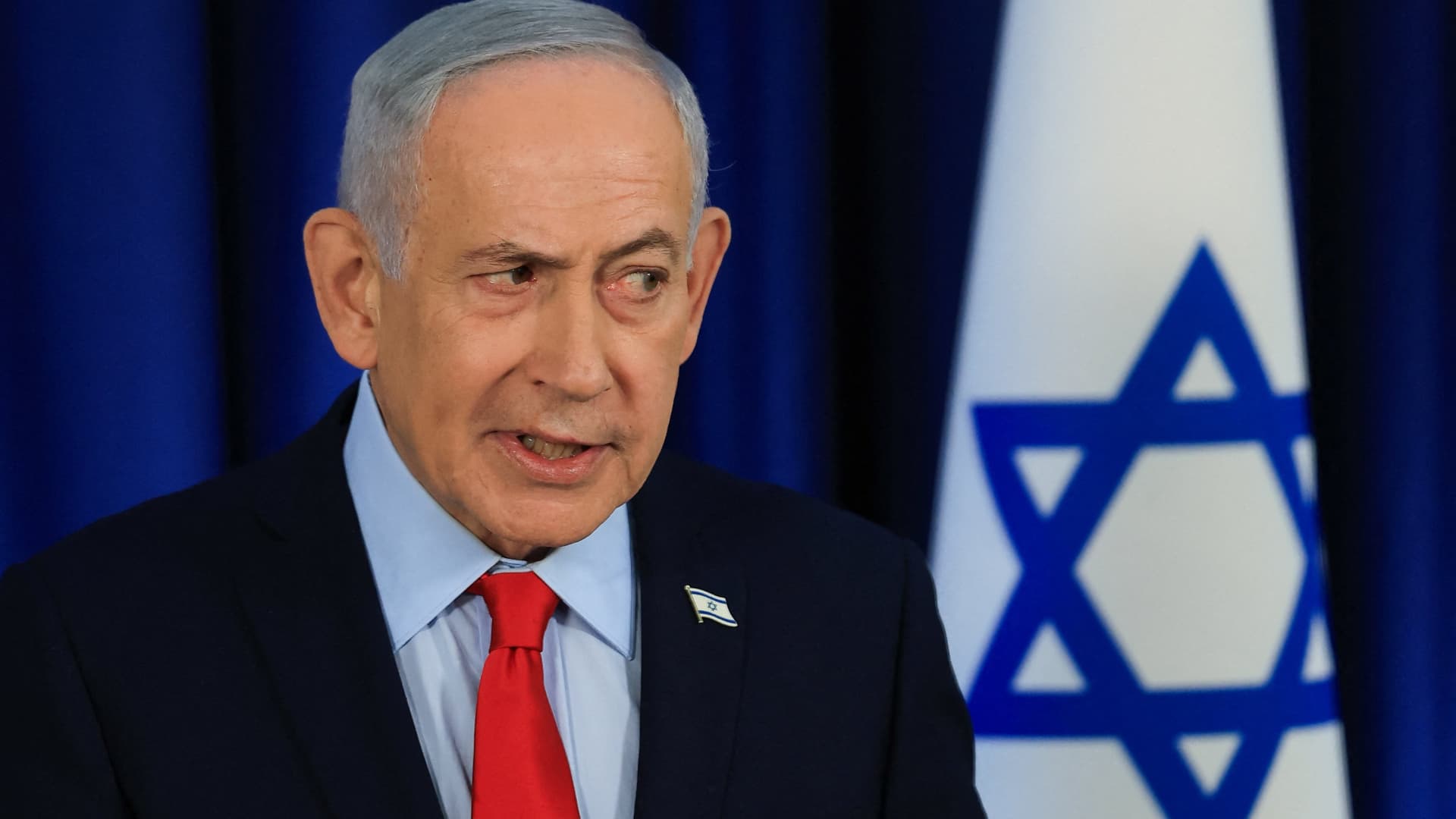
Israeli Prime Minister Benjamin Netanyahu declared that the war with Iran is "not over," signaling that a peace deal remains out of reach as the conflict stretches into its second month.
The statement is a clear signal that Israeli leadership sees no near-term end to active hostilities. While the article does not detail specific military operations or diplomatic efforts underway, Netanyahu's framing suggests Israel is not close to a ceasefire or negotiated settlement with Tehran.
Energy Markets Feel the Strain
The prolonged conflict has pushed oil and gas prices higher in the United States and globally. When a major Middle East confrontation drags on without resolution, energy markets react sharply, oil supply routes, production stability, and investor risk appetite all take a hit simultaneously.
Iran is a significant oil producer and a key actor in the Persian Gulf, a waterway through which a large share of the world's crude oil moves. Any sustained military conflict involving Iran raises the risk of supply disruptions, which traders price in quickly. The longer the war continues without a clear path to resolution, the more sustained that price pressure tends to be.
What This Means Practically
For consumers, higher oil prices translate into more expensive fuel at the pump and upward pressure on goods that depend on transportation and energy inputs. For businesses, elevated energy costs squeeze margins, particularly in manufacturing, logistics, and agriculture.
For financial markets, a prolonged Iran conflict adds a layer of geopolitical risk that weighs on equities and can drive investors toward safe-haven assets like gold and government bonds. Emerging market economies that import oil, including India, face additional pressure on their trade balances and currencies when crude prices rise.
Netanyahu has not publicly outlined what conditions would end the conflict or what a deal might look like, leaving the timeline deeply uncertain. The key question for markets and policymakers is whether this remains a contained bilateral confrontation or widens to draw in other regional actors, which would escalate the economic fallout further.