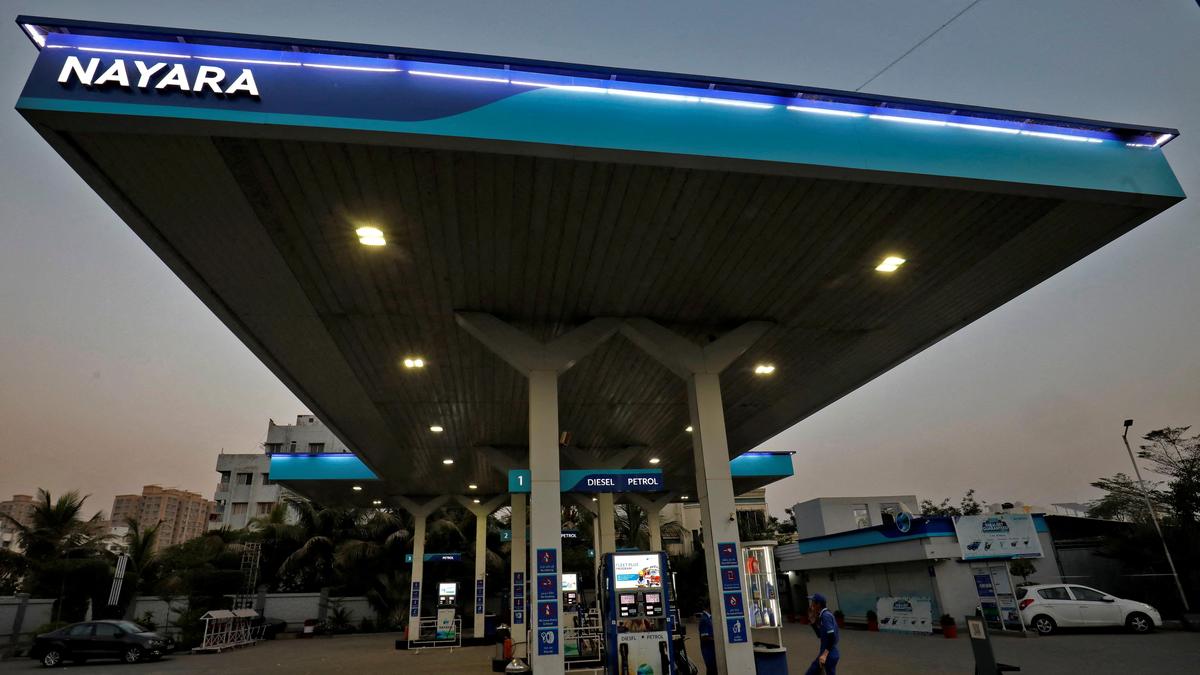
Nayara Energy has cut its retail petrol price by ₹5 per litre and diesel by ₹3 per litre, passing on the benefit of falling global crude oil costs to consumers at its fuel stations across India.
The trigger is a meaningful pullback in international crude prices. As tensions in West Asia eased, a key maritime route that had been disrupted reopened, restoring the flow of crude oil and liquefied natural gas. That removed a significant supply-risk premium that had been baked into global energy prices for weeks.
When a critical shipping corridor is blocked or threatened, traders price in the risk of reduced supply by bidding up crude futures. With that corridor now open and hostilities cooling, that risk premium has unwound, bringing benchmark crude prices lower. Nayara Energy, which operates its own refinery and retail fuel network, moved quickly to reflect that shift at the pump.
Why This Matters to Consumers and Markets
Nayara Energy is India's second-largest private fuel retailer, operating thousands of outlets nationally. Its price cuts put direct pressure on the state-owned oil marketing companies, chiefly Indian Oil Corporation, Bharat Petroleum, and Hindustan Petroleum, which together control the bulk of India's retail fuel market. Those companies have kept prices unchanged for an extended period despite swings in crude costs, a pattern driven partly by political and fiscal considerations. A visible price reduction by a private competitor raises the question of whether the public sector retailers will follow.
For motorists, a ₹5 cut on petrol is meaningful. On a 40-litre fill, that is ₹200 back in the consumer's pocket. For commercial transport operators running diesel fleets, a ₹3 reduction per litre across high-volume consumption adds up quickly and could ease freight cost pressure, which feeds into broader consumer prices.
The inflationary channel is worth noting. Diesel prices influence the cost of moving goods across India, from vegetables to manufactured products. When diesel stays elevated despite falling crude, it adds a floor to logistics costs. A reduction, even a partial one, nudges that floor lower and gives some relief along supply chains.
What to Watch Next
The key question now is whether Indian Oil, Bharat Petroleum, and Hindustan Petroleum match the cut. The state-owned companies operate on a cost-plus framework but are sensitive to government direction on retail pricing. In the past, competitive moves by private players like Nayara Energy and Reliance BP have sometimes preceded revisions by the public sector firms, though not always.
Crude oil price sustainability is the other variable. The current retreat is tied to geopolitical de-escalation in West Asia. If hostilities resume or the maritime route faces fresh disruption, the supply risk premium returns and the economics of the cut could change. Nayara Energy's move is a snapshot of current market conditions, not a locked-in structural shift.
Global LNG flows, which also moved through the restored corridor, matter to India's gas-linked energy costs as well, though the immediate consumer impact is most visible at the petrol pump. Traders and analysts will watch crude benchmarks closely over the next few weeks to gauge whether this easing has legs or represents a temporary lull.
For now, Nayara Energy's customers get immediate relief. The broader fuel price landscape in India depends on what the state-owned companies decide to do next.