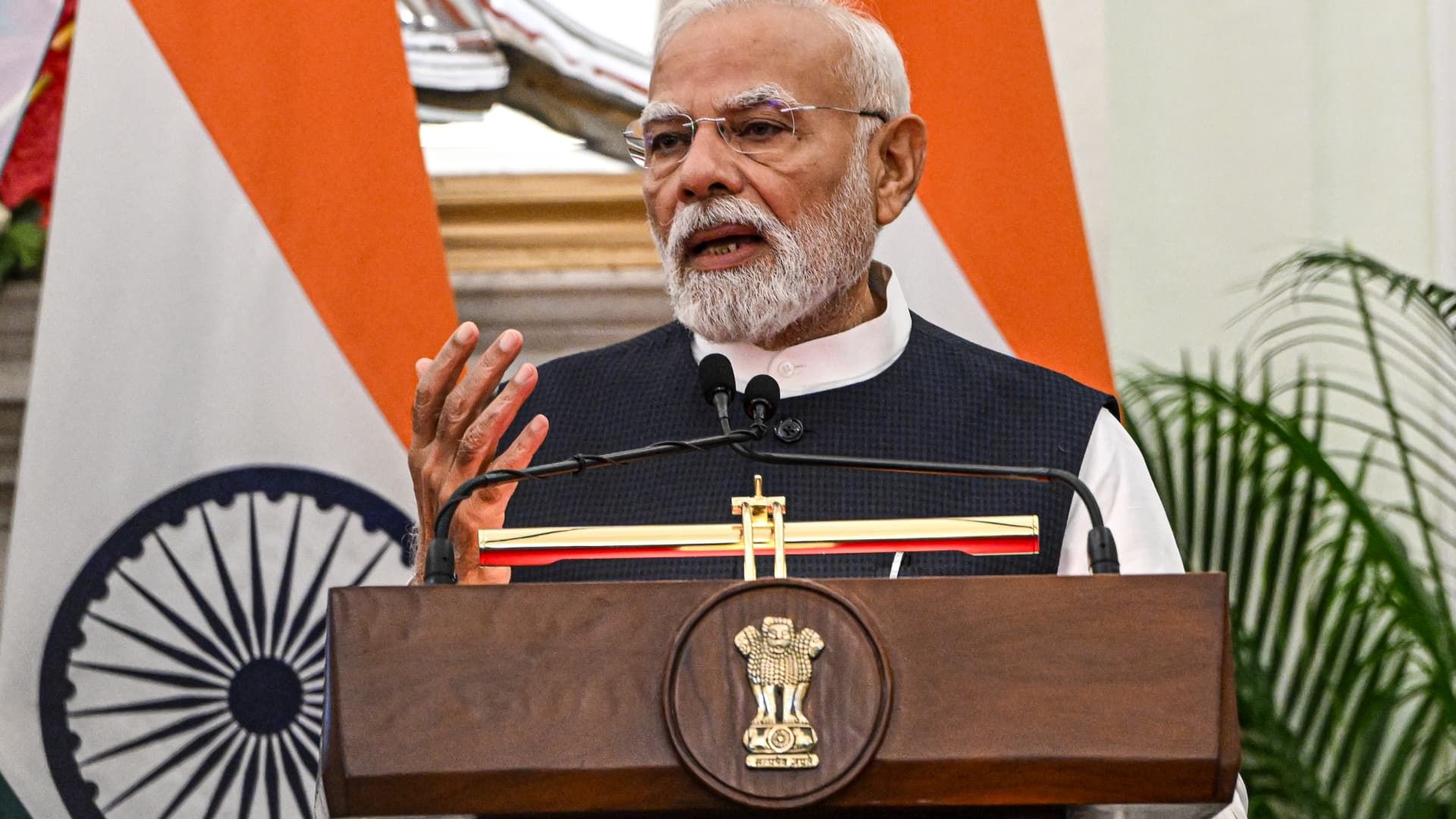
Prime Minister Narendra Modi has warned that the ongoing conflict in the Middle East poses severe risks to India, and has called on citizens to reduce fuel consumption, cut back on overseas travel, and limit gold purchases. The appeal reflects growing concern inside the government about India's vulnerability to a wider Iran-linked war.
India imports roughly 85 percent of its crude oil, making it acutely exposed to any disruption in Middle East supply routes or a sharp rise in global oil prices. A conflict involving Iran could directly threaten the Strait of Hormuz, through which a large share of India's energy imports flow. Higher oil prices would widen India's current account deficit, put pressure on the rupee, and push up domestic fuel and transport costs.
Why Gold and Travel Also Matter
Gold purchases and overseas travel both drain foreign exchange reserves. India is one of the world's largest gold importers, and a surge in import demand, often triggered by economic uncertainty, adds to the current account gap at exactly the wrong time. Overseas spending by Indian travelers similarly sends dollars out of the country. Modi's call to limit both is a signal that the government wants to protect the rupee and contain the forex outflow before pressure builds.
Together, oil, gold, and travel-related outflows are among the largest drains on India's foreign exchange position. Addressing all three at once suggests the government sees the risk as broad, not just an energy problem.
What to Watch
The immediate concern is oil prices. Any escalation involving Iran, including threats to shipping in the Gulf, could send crude sharply higher, hitting India harder than most large economies given its import dependence. The rupee and India's trade deficit are the two clearest indicators to track. If global oil stays elevated, domestic fuel prices and inflation will follow, which would complicate the Reserve Bank of India's rate decisions. Modi's public appeal also sets the stage for possible policy measures if the situation worsens, including fuel pricing adjustments, import duty changes on gold, or travel advisories.