
Qatar Signals Progress in US-Iran War Talks
Qatar's foreign ministry said mediators including Qatar, Pakistan, and Oman have reached "very progressive stages" in efforts to end the US-Iran war, pushing Brent crude down more than four percent.
Key Takeaways
May 3, 2026 · 2 min read · By Rishabh Bhardwaj
·
AI-assisted, human-reviewed · Our editorial standards
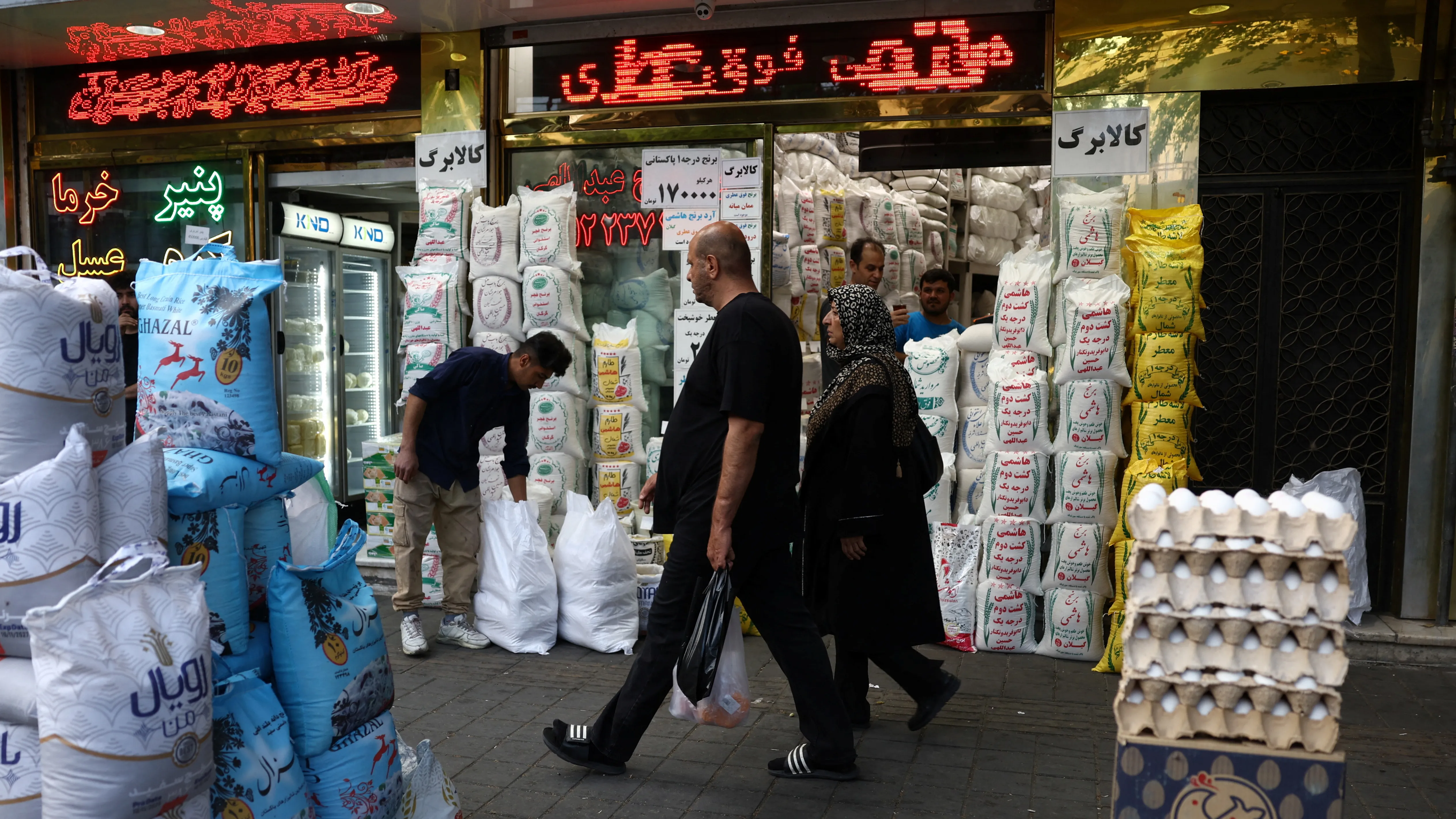
A ceasefire has halted the recent US-Israeli military campaign against Iran, but the economic damage it unleashed is cutting deep into daily life in Tehran and across the country. Iranians are calling it "Operation Economic Fury", an informal name that captures how the financial fallout feels like its own kind of warfare.
Millions of jobs have been lost as businesses shut down, supply chains break apart, and investor confidence collapses. The disruption is not limited to one sector. It spans manufacturing, retail, services, and trade, the everyday economy that working Iranians depend on.
Tehran is the hardest-hit area, as the capital concentrates the bulk of Iran's formal employment and commercial activity. When businesses there close or cut staff, the effect ripples outward to families, landlords, suppliers, and small traders across the city and beyond.
A ceasefire stops bombs, but it does not automatically restart an economy. Factories that paused production, contracts that were cancelled, and capital that fled the country do not return the moment shooting stops. Iran's economy was already under severe strain from years of international sanctions before the recent conflict escalated the pressure further.
The informal label "Operation Economic Fury" suggests Iranians see the financial squeeze as a deliberate instrument of pressure, not just collateral damage. Whether or not that framing is accurate, the practical result is the same: widespread job losses and a cost-of-living crisis that a ceasefire alone cannot fix.
What matters now is whether the ceasefire holds long enough for some economic activity to resume, whether any sanctions relief follows, and how quickly businesses can reopen and rehire. None of those conditions are guaranteed. Until they materialise, the job losses will continue to compound, and ordinary Iranians will bear the heaviest burden.
Qatar's foreign ministry said mediators including Qatar, Pakistan, and Oman have reached "very progressive stages" in efforts to end the US-Iran war, pushing Brent crude down more than four percent.
Qatar confirmed it is mediating between the US and Iran but said no direct talks are currently planned. The clarification follows conflicting statements from President Trump, who claimed talks are under way, and Tehran, which denied any dialogue is happening.
Saudi Aramco reported sharply higher second-quarter 2026 profits as the Iran war restricts global oil supply and pushes crude prices up. Other oil supermajors also posted outsized earnings, raising concerns about sustained fuel cost pressure for importing economies.
President Trump called current Iran negotiations the "last chance" to end five months of conflict, pushing oil prices higher. Tehran denied formal talks are taking place, raising the risk of a diplomatic breakdown with direct consequences for global energy markets.