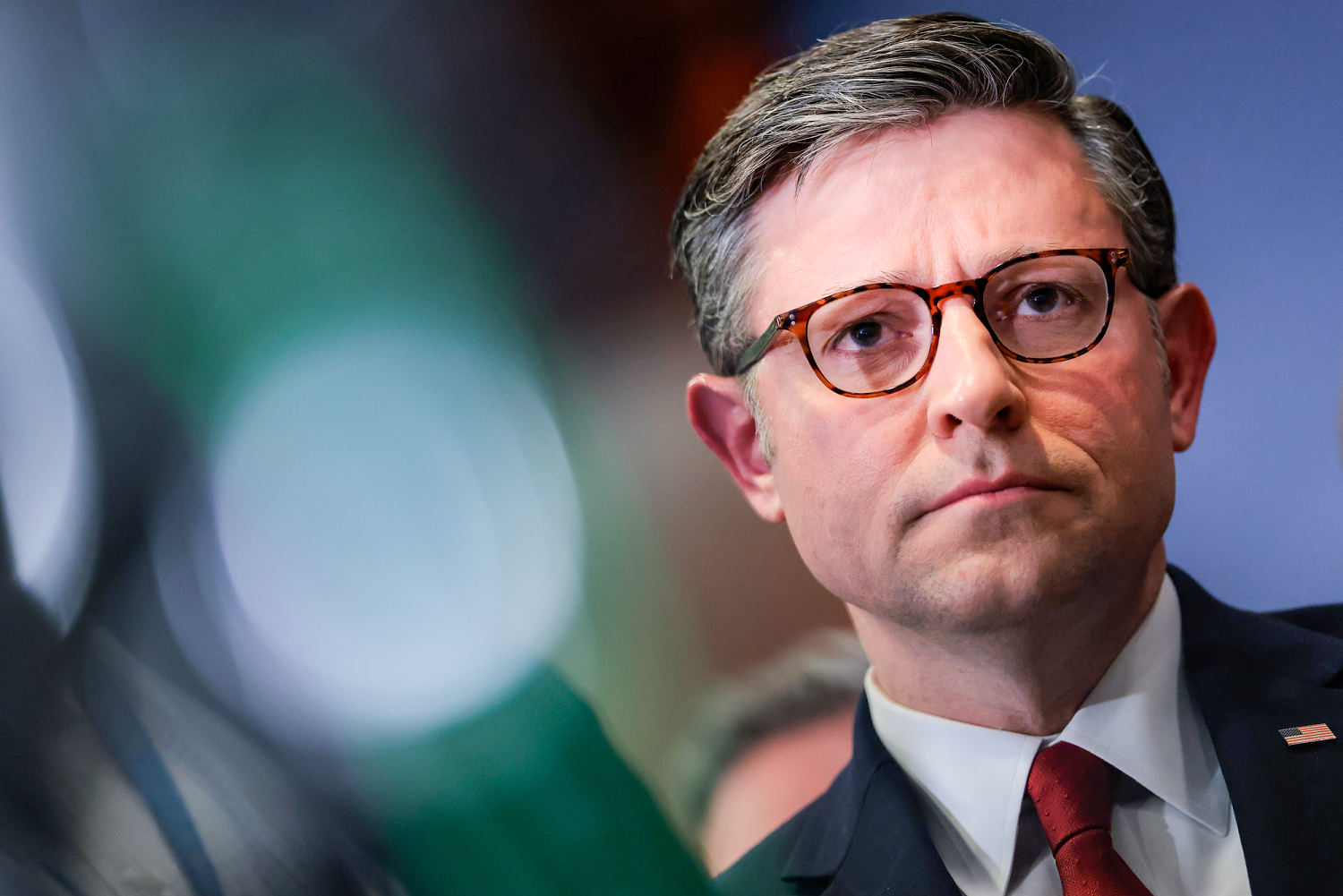
House Speaker Mike Johnson said Thursday that Congress does not need to vote on the Trump administration's military actions involving Iran because the U.S. is 'not at war.' Johnson, a Republican from Louisiana, argued there is no 'active, kinetic military bombing, firing or anything like that,' framing current actions as below the threshold that would require a congressional authorization. The statement matters because U.S. law, specifically the War Powers Resolution, requires the president to notify Congress within 48 hours of committing forces to hostilities and limits unauthorized military engagement to 60 days without congressional approval. Johnson's position is that current actions do not meet that bar. The timing is notable. Johnson made the remarks as a key deadline was approaching, though the specific nature of that deadline is not detailed in available reporting. His framing effectively shields the executive branch from a mandatory congressional vote, at least for now. Watch for whether Congress pushes back on this interpretation, and whether any escalation in U.S.-Iran activity forces a harder legal question about war powers authority.
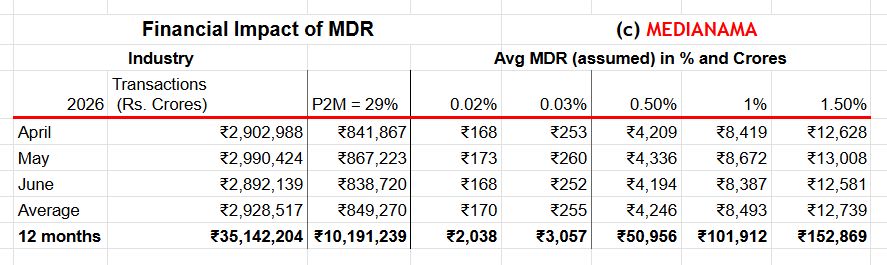
India's government plans to amend the Payment and Settlement Systems Act to restore UPI merchant discount rates, ending the zero-MDR regime in place since January 2020.
India's government has introduced the Taxation and Other Laws (Amendment) Bill, 2026, proposing changes to payments regulation, income tax, and the Finance Act to attract FDI and support Make in India. The Bill's final shape will depend on parliamentary debate and committee review.
The government's Taxation and Other Laws (Amendment) Bill, 2026, proposes to replace the blanket UPI MDR ban with a system allowing the Centre to notify which payment modes stay fee-free.
Prime Minister Narendra Modi inaugurated the Rs 5,000 crore Bhogapuram greenfield airport in Andhra Pradesh, built under a public-private partnership model. He also laid foundation stones for infrastructure projects worth nearly Rs 18,000 crore in the state, signalling a broad investment push for the region.