India's IT Ministry has summoned Meta's global head of public policy after the company's automated filters removed a Facebook post by Prime Minister Narendra Modi, in which he addressed the country's youth and announced plans to introduce legislation against paper leaks. Meta has apologised, attributed the removal to a glitch, and restored the content. The government says that explanation is not enough.
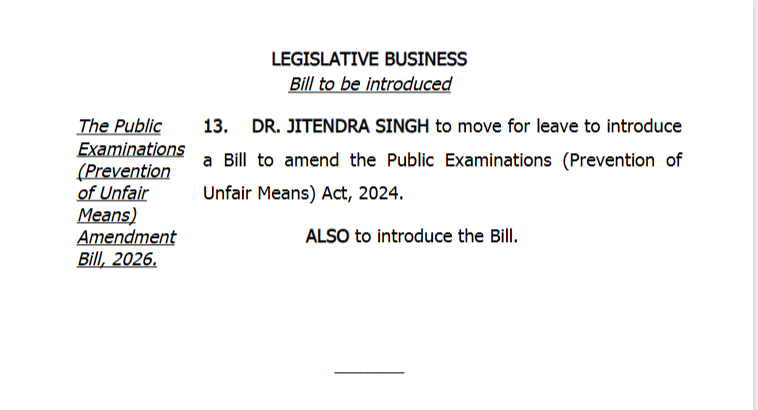
The post in question was a selfie video Modi shared on Instagram on July 23, later published on Facebook. In it, he promised strong action against paper leaks and said a bill with relevant provisions would be introduced in Parliament, with its final shape to be decided at a Union Cabinet meeting the following day. The video was posted during student protests organised by the Cockroach Janta Party.
Meta's spokesperson confirmed the content was removed in error and has since been restored. The company told the government that a glitch in its automated content moderation filters caused the takedown. The IT Ministry rejected that framing. Sources indicated the matter is "not settled and done" and that deeper discussions are required. If automated tools caused the error, the government said, Meta must fix them.
Why the Government Is Not Satisfied
The core issue is not just the removal itself, but what it signals about how Meta's systems operate in India. A glitch explanation, without a technical audit or corrective commitment, leaves open the question of whether the platform's content filters carry systemic biases, whether political or otherwise. BJP worker Priti Gandhi had already raised that question publicly on X, calling the restriction evidence of political bias and demanding transparency. The government's decision to summon a global-level Meta official suggests it wants answers at the policy level, not just a technical fix.
The mechanism here matters: Meta's automated moderation runs at scale, applying filters without human review at the point of removal. When those filters catch content from a sitting head of government, the reputational and political stakes rise sharply. The government's position is that Meta cannot simply invoke algorithmic error as a shield. It must demonstrate that its tools are reliable and that failures of this kind will not recur.
Part of a Broader Pattern of Scrutiny
This episode is the latest in a string of regulatory clashes between the Indian government and Meta in 2026. The Ministry of Electronics and Information Technology had earlier issued a notice to WhatsApp over a proposed username feature, warning that it could enable fraud, phishing, and impersonation scams. The government directed WhatsApp not to launch the feature in India until consultations were complete, and WhatsApp agreed to hold off.
MeitY also served Meta a stern notice over child sexual exploitative and abuse material appearing in paid advertisements on Instagram, ordering the platform to disable all such ads and content and demanding a detailed response within a set deadline. Meta subsequently published a blogpost outlining its AI-powered detection efforts and promised to strengthen its ad review processes.
Meta's Muse Image AI generator also drew government attention after users raised concerns about data privacy, image scraping, and consent. The IT Ministry said it would assess the tool under existing legal frameworks. Meta then scrapped the feature entirely, saying it had "missed the mark."
Taken together, these episodes show the Indian government tightening oversight of social media platforms across three distinct areas: content moderation reliability, child safety in advertising, and AI-generated content. Each case followed a similar pattern: government notice, Meta response, and in some cases a reversal of the feature or policy in question.
What changes next is likely to be determined by how the summoned Meta official responds to the IT Ministry's questions. If the government remains unsatisfied, it could escalate to formal compliance notices, faster-track action under India's IT rules, or public calls for platform-level audits. For Meta, with a large and growing user base in India, the cost of prolonged regulatory friction is significant, making a substantive response more likely than a repetition of the glitch explanation.