
Qatar Signals Progress in US-Iran War Talks
Qatar's foreign ministry said mediators including Qatar, Pakistan, and Oman have reached "very progressive stages" in efforts to end the US-Iran war, pushing Brent crude down more than four percent.
Key Takeaways
May 9, 2026 · 2 min read · By Rishabh Bhardwaj
·
AI-assisted, human-reviewed · Our editorial standards
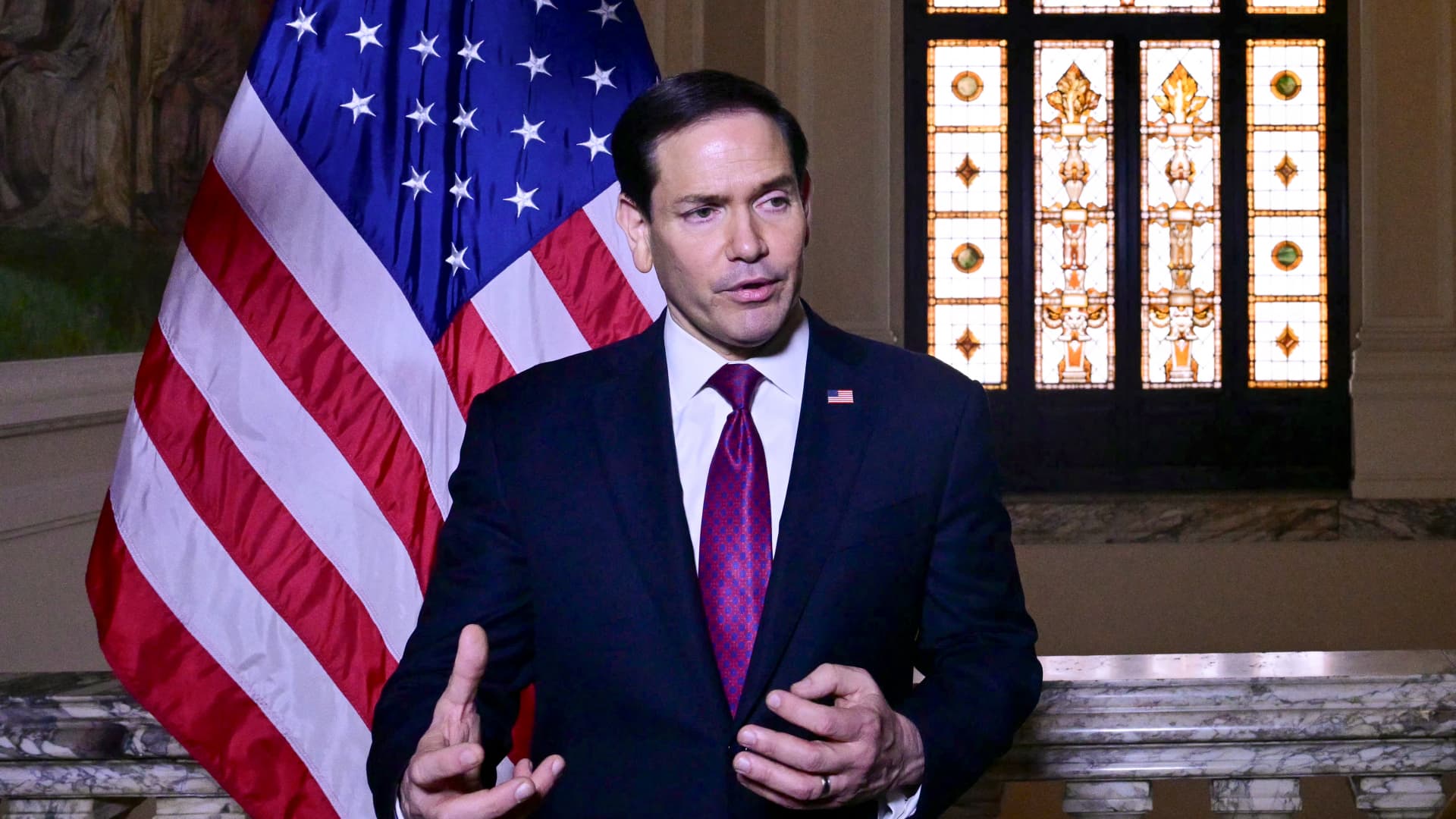
U.S. Secretary of State Marco Rubio said Friday that Washington is expecting an answer from Iran that day on a proposal to end the conflict, signaling the nuclear diplomacy push has reached a decision point.
Rubio did not specify what the proposal contains or what consequences would follow if Iran declined to respond. His statement, however, confirms that the U.S. has put a concrete offer on the table and is pressing Tehran for a clear answer within a very tight window.
The announcement suggests back-channel or formal talks have progressed far enough that Washington feels confident setting a same-day deadline. That is a meaningful shift in tone: earlier rounds of diplomacy over Iran's nuclear program have typically moved slowly, with prolonged gaps between positions.
The specific terms of the U.S. proposal are not publicly known based on available information. What is clear is that Rubio framed the moment as one requiring an imminent Iranian decision, not continued negotiation.
Iran's response, or silence, will set the next phase. A positive signal could open a structured negotiation track, with potential relief from sanctions as a likely incentive the U.S. holds. A rejection or non-answer would likely push Washington toward a harder line, though Rubio did not specify what steps would follow.
The timing matters beyond the two countries. Oil markets, U.S. allies in the Gulf, and Israel all watch Iran nuclear talks closely. Any sign of a deal framework tends to ease regional tension and put mild downward pressure on oil prices; a breakdown tends to do the opposite.
The source provides limited detail, so the full significance depends heavily on what Iran says and what the U.S. proposal actually contains, neither of which is confirmed yet.
Qatar's foreign ministry said mediators including Qatar, Pakistan, and Oman have reached "very progressive stages" in efforts to end the US-Iran war, pushing Brent crude down more than four percent.
Qatar confirmed it is mediating between the US and Iran but said no direct talks are currently planned. The clarification follows conflicting statements from President Trump, who claimed talks are under way, and Tehran, which denied any dialogue is happening.
Saudi Aramco reported sharply higher second-quarter 2026 profits as the Iran war restricts global oil supply and pushes crude prices up. Other oil supermajors also posted outsized earnings, raising concerns about sustained fuel cost pressure for importing economies.
President Trump called current Iran negotiations the "last chance" to end five months of conflict, pushing oil prices higher. Tehran denied formal talks are taking place, raising the risk of a diplomatic breakdown with direct consequences for global energy markets.