
Qatar Signals Progress in US-Iran War Talks
Qatar's foreign ministry said mediators including Qatar, Pakistan, and Oman have reached "very progressive stages" in efforts to end the US-Iran war, pushing Brent crude down more than four percent.
Key Takeaways
May 24, 2026 · 3 min read · By Rishabh Bhardwaj
·
AI-assisted, human-reviewed · Our editorial standards
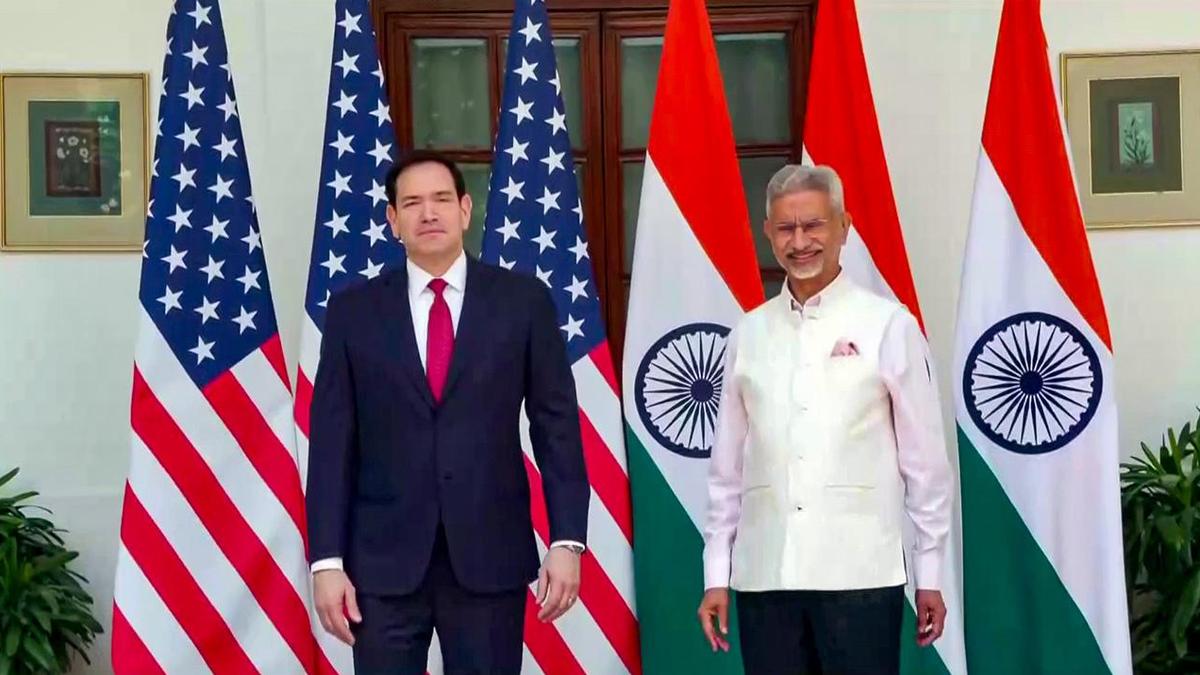
US Secretary of State Marco Rubio, currently on a visit to India, said on Friday that there could be "good news" regarding Iran within the next few hours, without specifying what that news might involve. The comment came during his meetings in New Delhi, where he also described the first day of his India visit as "fantastic" and called India and the United States "strategic allies."
Rubio's remark about Iran is significant given the ongoing tensions surrounding Iran's nuclear programme and the broader US diplomatic push in the region. While he did not elaborate on the nature of the expected development, the timing of the statement, made from Indian soil during a high-profile diplomatic visit, points to active back-channel or direct negotiations that could be nearing a conclusion.
Rubio offered no detail on what the "good news" would entail, but the framing suggests a time-sensitive diplomatic development. The US has been engaged in talks with Iran over its nuclear activities, with multiple rounds of negotiations in recent months. Any agreement, pause, or significant shift in those talks would carry immediate consequences for global oil markets, regional security posture in the Middle East, and US foreign policy priorities heading into the second half of 2025.
For India, the Iran question carries specific weight. India has historically maintained trade and energy ties with Iran, navigating US sanctions carefully. A shift in US-Iran relations, whether a deal or an escalation, would directly affect Indian energy import options and the diplomatic balancing act New Delhi performs between Washington and Tehran.
Beyond the Iran comment, the core of Rubio's visit appears focused on reinforcing the bilateral relationship. Describing the first day as "fantastic" and using the phrase "strategic allies" signals that the US side is invested in deepening cooperation with India across defence, trade, and geopolitical coordination.
The visit comes at a moment when India-US relations carry weight on multiple fronts: trade negotiations between the two countries, defence supply chains, technology partnerships, and shared concerns about China's regional influence. Rubio's presence in New Delhi and the warm framing of his public remarks suggest both sides are working to project alignment, even as specific policy details remain to be confirmed.
The "strategic allies" label, while not a formal treaty designation, is notable language from the top US diplomat. It places India alongside a select group of countries Washington views as central to its foreign policy architecture, distinct from the broader category of partners or friends.
Rubio's Iran comment will draw close attention from energy traders, Middle East analysts, and foreign ministries across the region. If a genuine diplomatic development follows in the hours after his statement, it could move oil prices, affect sanctions-related business decisions, and reset the diplomatic calendar for several countries simultaneously.
For India specifically, any positive movement on the Iran front could reopen conversations about Indian access to Iranian oil and the Chabahar port project, both of which have operated under the shadow of US sanctions for years. New Delhi will be watching the outcome carefully before adjusting any policy positions.
What to watch: any formal statement from the US State Department or Iranian officials in the hours following Rubio's comment, the outcome of his remaining meetings in India, and whether a joint statement from the two governments addresses Iran, trade, or defence cooperation directly.
Qatar's foreign ministry said mediators including Qatar, Pakistan, and Oman have reached "very progressive stages" in efforts to end the US-Iran war, pushing Brent crude down more than four percent.
Qatar confirmed it is mediating between the US and Iran but said no direct talks are currently planned. The clarification follows conflicting statements from President Trump, who claimed talks are under way, and Tehran, which denied any dialogue is happening.
Saudi Aramco reported sharply higher second-quarter 2026 profits as the Iran war restricts global oil supply and pushes crude prices up. Other oil supermajors also posted outsized earnings, raising concerns about sustained fuel cost pressure for importing economies.
President Trump called current Iran negotiations the "last chance" to end five months of conflict, pushing oil prices higher. Tehran denied formal talks are taking place, raising the risk of a diplomatic breakdown with direct consequences for global energy markets.