Malaysia's fuel subsidy expenditure is projected to reach 10.6 billion ringgit ($2.26 billion) in April, approximately ten times the pre-Iran war baseline, as the conflict drives up global energy prices and widens the gap between market rates and subsidized domestic prices. The surge reflects the direct fiscal transmission mechanism of subsidized fuel systems: when international crude and refined product prices rise, governments covering the differential absorb the full cost increase across every liter consumed domestically. For Malaysia, which maintains administered fuel prices, the bill scales automatically with the spread between global benchmarks and the fixed retail price. The April figure signals a structural fiscal pressure point that policymakers cannot absorb indefinitely without either raising domestic fuel prices, accelerating subsidy rationalization, or drawing down public finances. Investors and analysts tracking Malaysian sovereign fiscal health should monitor whether the government responds with targeted subsidy reforms or maintains broad coverage heading into subsequent months, as each path carries distinct implications for inflation, public debt, and household purchasing power.
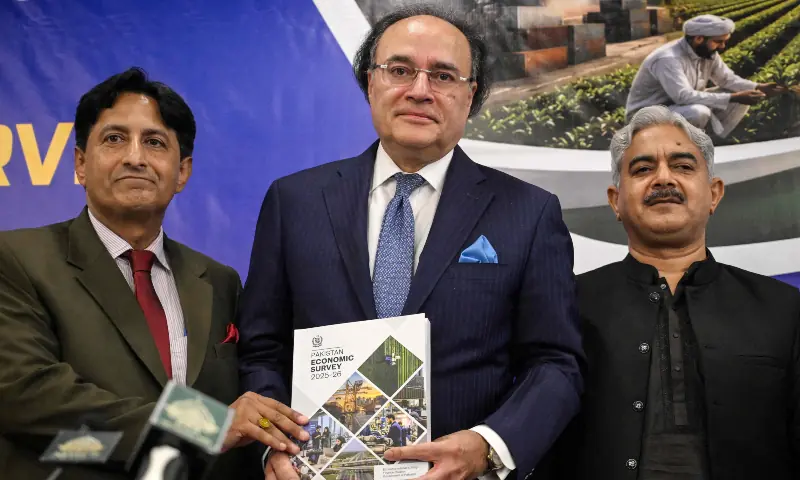
Pakistan's economy grew 3.7 percent in FY2026, its fastest rate in four years, according to the Pakistan Economic Survey presented by Finance Minister Muhammad Aurangzeb. Growth beat last year's 3.18 percent but missed the 4.2 percent target, with floods, regional conflict, and weaker food exports cited as key drags.
The Union government released an additional Rs 1,09,019 crore in tax devolution to states on August 1, 2026, separate from the regular monthly transfer. The lump-sum release aims to accelerate state capital spending in the July-September quarter, with Uttar Pradesh, Bihar, and Madhya Pradesh among the top recipients.
US mortgage rates have risen to a one-year high as markets weigh Federal Reserve rate uncertainty and Middle East conflict-driven inflation fears. Higher rates increase monthly payments for new buyers and are likely to further suppress housing market activity and refinancing.
Pakistan's Sensitive Price Index rose 13.52 percent year on year for the week ending July 2, 2026, marking 45 consecutive weeks of annual gains. Electricity up 49 percent, wheat flour up 68 percent, and LPG up 44 percent year on year are the main drivers.