India to Restore UPI Merchant Fees, PhonePe Gains Most
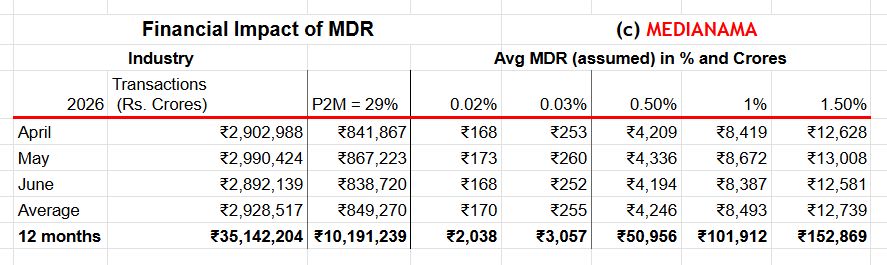
India's government plans to amend the Payment and Settlement Systems Act to restore UPI merchant discount rates, ending the zero-MDR regime in place since January 2020.
Key Takeaways
May 9, 2026 · 2 min read · By Rishabh Bhardwaj
·
AI-assisted, human-reviewed · Our editorial standards
The U.S. Senate Banking Committee has scheduled a vote for May 14 on a bill that would set the rules for how digital assets are overseen in the United States. The legislation is the crypto industry's most-watched priority in Washington right now.
The bill addresses a core dispute that has hung over crypto markets for years: which federal agency has authority over digital assets, and under what rules. Without a clear framework, crypto firms have operated in legal grey areas, facing enforcement actions rather than defined compliance paths. This legislation aims to change that by establishing a formal oversight structure.
A committee vote is the first major procedural hurdle a bill must clear before it can move to a full Senate vote. Advancing out of the Senate Banking Committee would signal meaningful political momentum, something the crypto industry has struggled to build despite years of lobbying.
The timing reflects a broader shift in Washington's posture toward digital assets. Regulatory clarity has become a live issue for banks, asset managers, and institutional investors who want exposure to crypto but need defined rules before committing capital at scale. A workable legal framework could open doors for more traditional financial players to participate in the market.
For crypto firms, the stakes are high. A favorable bill could reduce the risk of surprise enforcement, make it easier to operate banking relationships, and attract more institutional money into the sector. A stalled or amended bill could leave the current patchwork in place.
The May 14 vote date is now the immediate milestone to watch. Whether the committee advances the bill cleanly, amends it substantially, or delays will shape the legislative path for the rest of 2025.
India's government plans to amend the Payment and Settlement Systems Act to restore UPI merchant discount rates, ending the zero-MDR regime in place since January 2020.
India's government has introduced the Taxation and Other Laws (Amendment) Bill, 2026, proposing changes to payments regulation, income tax, and the Finance Act to attract FDI and support Make in India. The Bill's final shape will depend on parliamentary debate and committee review.
The government's Taxation and Other Laws (Amendment) Bill, 2026, proposes to replace the blanket UPI MDR ban with a system allowing the Centre to notify which payment modes stay fee-free.
Prime Minister Narendra Modi inaugurated the Rs 5,000 crore Bhogapuram greenfield airport in Andhra Pradesh, built under a public-private partnership model. He also laid foundation stones for infrastructure projects worth nearly Rs 18,000 crore in the state, signalling a broad investment push for the region.