
Qatar Signals Progress in US-Iran War Talks
Qatar's foreign ministry said mediators including Qatar, Pakistan, and Oman have reached "very progressive stages" in efforts to end the US-Iran war, pushing Brent crude down more than four percent.
Key Takeaways
May 7, 2026 · 2 min read · By Rishabh Bhardwaj
·
AI-assisted, human-reviewed · Our editorial standards
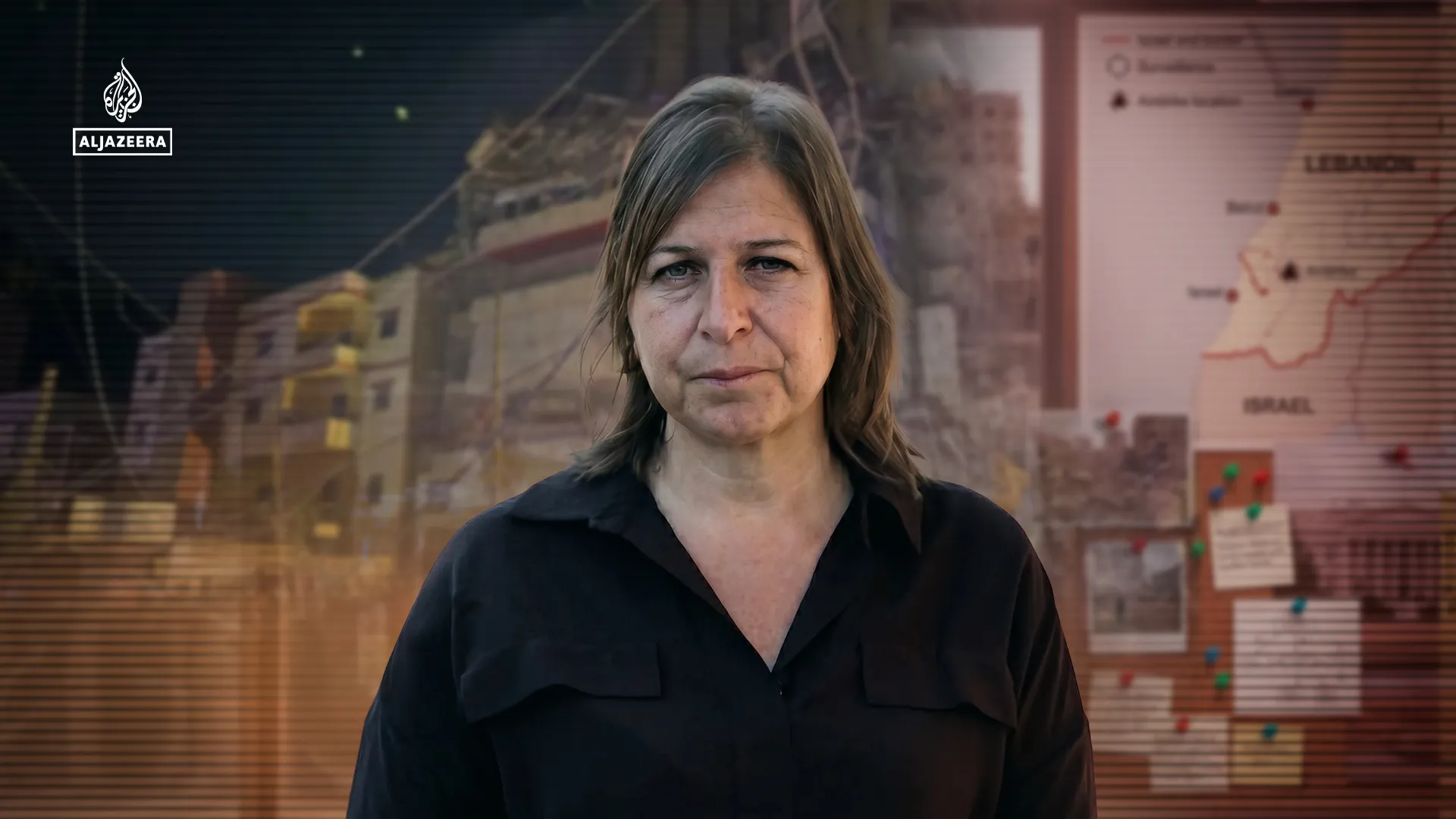
Israel launched an airstrike on Beirut's southern suburbs, marking the first such strike since a US-brokered ceasefire took effect on April 16. The attack breaks what had been a period of relative calm in the Lebanese capital following the truce agreement.
The strike targeted the southern suburbs of Beirut, a densely populated area that has historically been a stronghold of Hezbollah. No further details about the target, casualties, or the scale of the strike are confirmed from the available information.
The ceasefire, brokered by the United States and put in place on April 16, had halted Israeli strikes on the Lebanese capital. This latest action signals a breakdown, or at minimum a suspension, of that arrangement by Israel.
A US-brokered ceasefire carries diplomatic weight. When one party strikes inside the agreed zone of calm, it puts Washington in a difficult position and raises questions about whether the truce can hold or be renegotiated. It also signals that Israel retains the option to strike inside Lebanon regardless of formal agreements in place.
For Lebanon, the strike reignites fears of a return to the kind of sustained bombardment that caused widespread damage in late 2024. Beirut's southern suburbs suffered some of the heaviest strikes during that period, and residents there are acutely exposed to any resumed military campaign.
The broader regional picture remains fragile. Any escalation in Lebanon intersects with ongoing dynamics involving Hezbollah, Iran, and the wider conflict in Gaza. A single strike can shift the diplomatic calculus quickly, especially if Hezbollah responds or if further Israeli strikes follow.
Watch for an official Israeli statement explaining the justification for breaking the ceasefire terms, any US response to the violation of its own-brokered deal, and whether Hezbollah retaliates, which would determine whether this is an isolated incident or the start of renewed hostilities.
Qatar's foreign ministry said mediators including Qatar, Pakistan, and Oman have reached "very progressive stages" in efforts to end the US-Iran war, pushing Brent crude down more than four percent.
Qatar confirmed it is mediating between the US and Iran but said no direct talks are currently planned. The clarification follows conflicting statements from President Trump, who claimed talks are under way, and Tehran, which denied any dialogue is happening.
Saudi Aramco reported sharply higher second-quarter 2026 profits as the Iran war restricts global oil supply and pushes crude prices up. Other oil supermajors also posted outsized earnings, raising concerns about sustained fuel cost pressure for importing economies.
President Trump called current Iran negotiations the "last chance" to end five months of conflict, pushing oil prices higher. Tehran denied formal talks are taking place, raising the risk of a diplomatic breakdown with direct consequences for global energy markets.