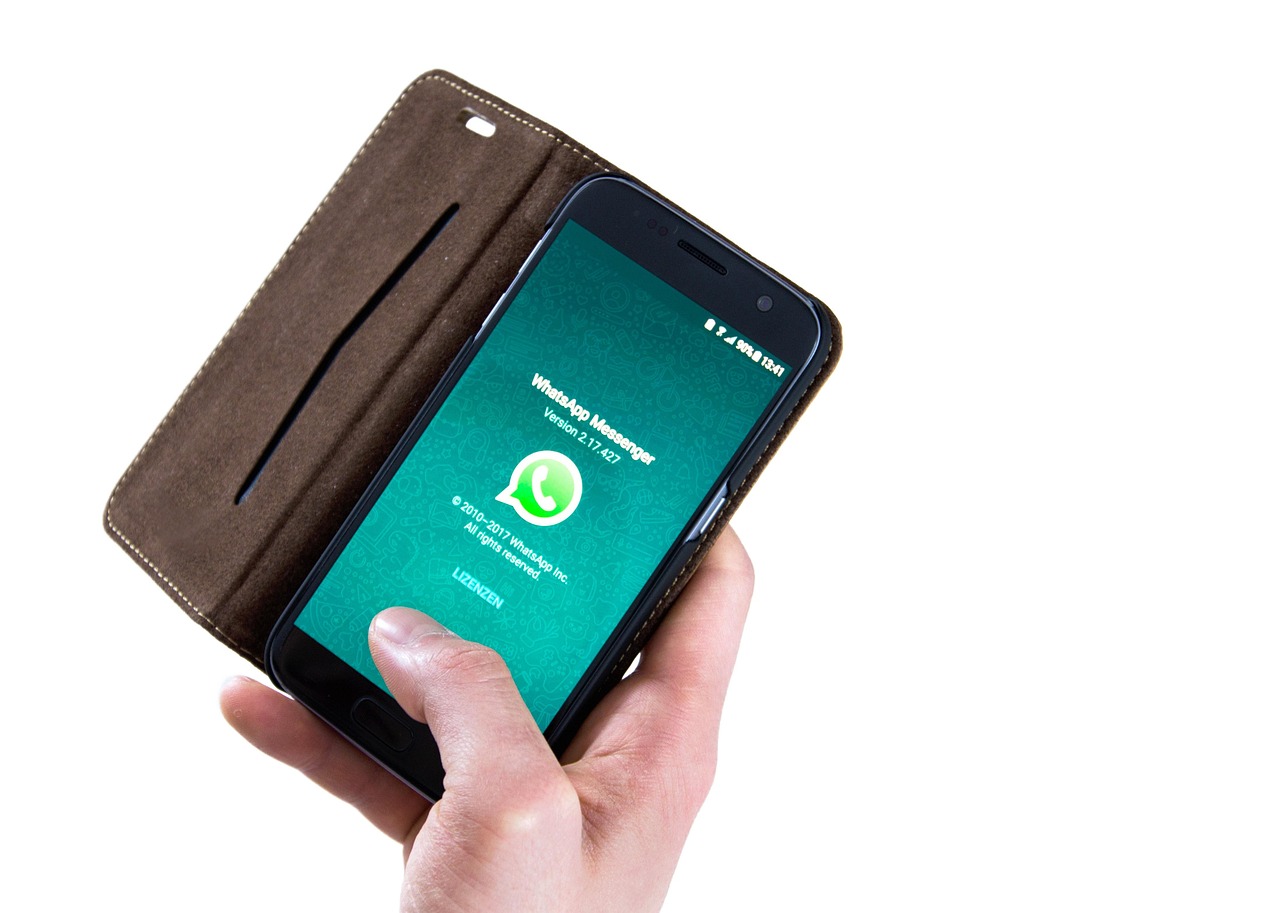
CRED founder Kunal Shah is leaving his CEO role to head WhatsApp globally at Meta, he announced on June 22, 2026. Alongside the move, Meta is investing $900 million into CRED for roughly a 20% stake, valuing the Indian fintech at $4.5 billion post-money, according to Bloomberg. Shah confirmed Meta will hold a minority position with no access to CRED member data.
The deal is notable on both sides. For Meta, it buys a strategic foothold in India's credit and payments ecosystem at a moment when WhatsApp Pay continues to trail PhonePe and Google Pay on the Unified Payments Interface. For CRED, a $4.5 billion valuation from a global technology company signals continued confidence in the platform despite India's crowded fintech market.
Why Shah, why now
Shah built CRED from 2019 onward on a single hypothesis: reward people for paying credit card bills on time. Starting with $1 million of personal capital after exiting FreeCharge in 2018, he grew the platform to 17 million members and approximately $325 million in annual revenue. CRED posted its first profitable quarter in 2026, and the Reserve Bank of India granted it final authorisation to operate as a payment aggregator in March 2026, adding to an existing Prepaid Payment Instrument licence. Shah arrives at Meta with a concrete track record in payments, credit distribution, and building trust-based consumer products.
Shah framed the WhatsApp opportunity in terms of distance between current performance and potential. He said the "delta between WhatsApp today and its full potential is massive." WhatsApp has over 500 million users in India alone, but WhatsApp Pay has not captured a proportionate share of UPI transactions. Meta wants WhatsApp to become a commerce layer, not just a messaging service, and Shah's specific experience in consumer credit and fintech gives that ambition an operational anchor.
Leadership transitions at both companies
At WhatsApp, Shah replaces Will Cathcart, who has led the platform since 2019 and joined Meta, then Facebook, in 2010. Shah credited Cathcart for scaling the platform and supporting the transition. The change marks the first time WhatsApp will be led by someone with deep emerging-market fintech experience rather than a traditional product or engineering background.
At CRED, Miten Sampat, who has overseen strategy and finance since 2020, steps up as interim CEO. Shah retains his stake as a shareholder, keeping him financially aligned with CRED's outcomes even as he shifts his day-to-day responsibilities to Meta.
The structure of the Meta investment matters for what comes next. A 20% minority stake with no data-sharing rights keeps CRED legally and operationally independent. That separation is likely deliberate: it protects CRED's member trust proposition, which is central to its brand, and it limits regulatory friction in India, where cross-platform data sharing between large technology companies and financial services firms is a sensitive area.
For WhatsApp Pay specifically, Shah's appointment signals a shift from treating payments as a feature to treating it as a growth engine. WhatsApp Pay operates on UPI, where network effects and merchant onboarding determine market share. CRED has spent years building relationships with high-credit-score users, a segment that is valuable for lending and premium commerce. Whether those networks and learnings can translate across a platform as broad as WhatsApp is the central question the market will watch.
In the near term, investors and analysts will focus on how Sampat manages CRED's first full year of profitable operations without its founder, how Meta integrates Shah's mandate at WhatsApp, and whether the $900 million investment produces measurable movement in WhatsApp Pay's UPI market share. CRED's RBI payment aggregator licence, secured just three months ago, also opens new revenue lines that Sampat will need to execute on independently.