Indian authorities have exposed a structured black market operation trafficking counterfeit Keytruda, a frontline cancer immunotherapy priced above ₹1.5 lakh per vial, to patients unable to afford legitimate supplies. The racket centers on a network of pharmacists, middlemen, and hospital insiders who collect used or empty vials, refill them with substitute substances, reseal them with original batch information, and sell them at discounted prices to patients desperate for treatment. In at least one documented case, a family purchased multiple vials later found to contain antifungal medication rather than the active cancer therapy. Investigators traced counterfeit vials back to authentic batch numbers from major hospitals, pointing to leakages within institutional supply chains. Raids recovered both filled and empty vials alongside packaging materials, indicating an organized, multi-step operation rather than isolated incidents. Regulatory experts cited serious gaps in monitoring and disposal protocols for high-value medicines as the structural enabler. Patients receiving these substitutes face not only treatment failure but direct harm from unintended substances, raising immediate compliance pressure on hospital procurement, disposal oversight, and pharmaceutical authentication systems.
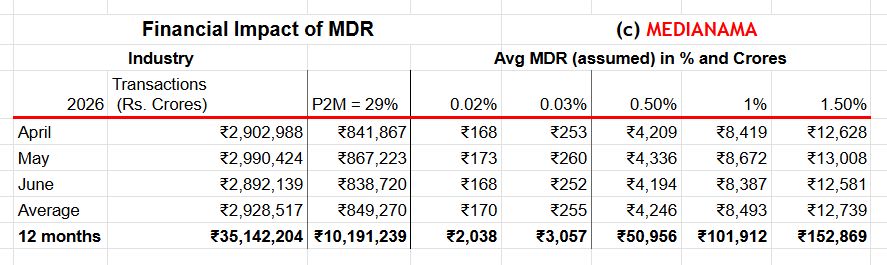
India's government plans to amend the Payment and Settlement Systems Act to restore UPI merchant discount rates, ending the zero-MDR regime in place since January 2020.
India's government has introduced the Taxation and Other Laws (Amendment) Bill, 2026, proposing changes to payments regulation, income tax, and the Finance Act to attract FDI and support Make in India. The Bill's final shape will depend on parliamentary debate and committee review.
The government's Taxation and Other Laws (Amendment) Bill, 2026, proposes to replace the blanket UPI MDR ban with a system allowing the Centre to notify which payment modes stay fee-free.
Prime Minister Narendra Modi inaugurated the Rs 5,000 crore Bhogapuram greenfield airport in Andhra Pradesh, built under a public-private partnership model. He also laid foundation stones for infrastructure projects worth nearly Rs 18,000 crore in the state, signalling a broad investment push for the region.