Kevin Warsh, the reported frontrunner to chair the Federal Reserve, faces scrutiny over his personal wealth disclosures ahead of a Senate confirmation process. Senator Elizabeth Warren of Massachusetts has raised concerns about potential conflicts of interest embedded in Warsh's financial filings, adding political friction to a nomination already set against a backdrop of institutional controversy at the Fed. Warsh is a former Fed governor and Wall Street veteran with significant private-sector wealth accumulated since leaving the central bank in 2011. The complication matters because the Fed chair nomination requires Senate confirmation, where financial disclosure gaps or conflicts can delay or derail candidates. Warren's intervention signals that Democrats intend to make Warsh's wealth and potential entanglements a line of attack during hearings. Observers should watch whether the White House moves to address disclosure questions proactively and how Republican senators, who hold the majority, respond to pressure on the nominee's financial profile.
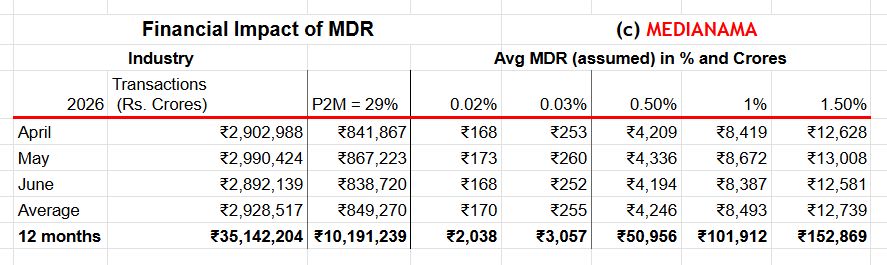
India's government plans to amend the Payment and Settlement Systems Act to restore UPI merchant discount rates, ending the zero-MDR regime in place since January 2020.
India's government has introduced the Taxation and Other Laws (Amendment) Bill, 2026, proposing changes to payments regulation, income tax, and the Finance Act to attract FDI and support Make in India. The Bill's final shape will depend on parliamentary debate and committee review.
The government's Taxation and Other Laws (Amendment) Bill, 2026, proposes to replace the blanket UPI MDR ban with a system allowing the Centre to notify which payment modes stay fee-free.
Prime Minister Narendra Modi inaugurated the Rs 5,000 crore Bhogapuram greenfield airport in Andhra Pradesh, built under a public-private partnership model. He also laid foundation stones for infrastructure projects worth nearly Rs 18,000 crore in the state, signalling a broad investment push for the region.