India to Restore UPI Merchant Fees, PhonePe Gains Most
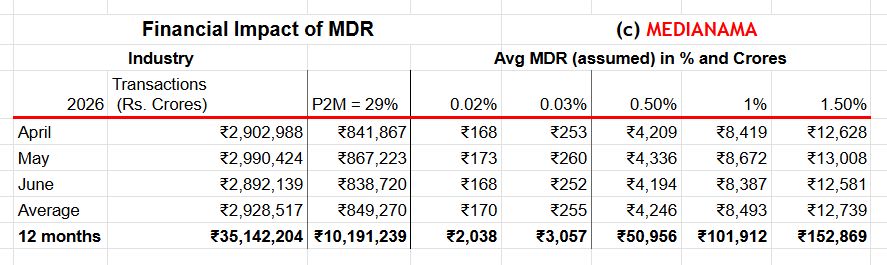
India's government plans to amend the Payment and Settlement Systems Act to restore UPI merchant discount rates, ending the zero-MDR regime in place since January 2020.
Key Takeaways
May 3, 2026 · 2 min read · By Rishabh Bhardwaj
·
AI-assisted, human-reviewed · Our editorial standards
Kerala's health department has issued a new surgical safety protocol, effective April 15, requiring all healthcare institutions in the state to tighten how they verify patients and document procedures before any operation begins.
The order comes after alleged lapses at hospitals triggered a public controversy, though the specific incidents cited as the trigger are not detailed in the official notice. The protocol applies broadly across both public and private healthcare facilities in Kerala.
Three areas are now mandatory under the guidelines: strict pre-operative verification, clear patient identification checks, and enhanced documentation at every stage before surgery. Pre-operative verification typically means confirming the right patient, right procedure, and right surgical site before a team proceeds, a step that, when skipped or rushed, is a known source of preventable surgical errors globally.
The documentation requirement adds a paper trail to each of these checks, making it easier for administrators and regulators to audit compliance after the fact. Together, these measures shift accountability from informal team practice to a formal, reviewable process.
For healthcare institutions, the order creates a new compliance obligation with immediate effect. Hospitals will need to retrain surgical teams, update checklists, and revise record-keeping systems to meet the new standard. Smaller private facilities may face higher adjustment costs relative to larger hospitals that already run structured pre-operative protocols.
For patients, the practical effect is a stronger procedural safeguard before they go under the knife. Wrong-site surgeries and patient mix-ups, while rare, carry severe consequences, and standardised checklists have a strong track record in reducing them when consistently applied.
The row that prompted the order also puts Kerala's hospital regulatory environment under scrutiny. How the state enforces these guidelines, and whether penalties attach to non-compliance, will determine whether the rules change actual practice or remain on paper. Watch for follow-up directives from the health department that spell out inspection mechanisms or consequence frameworks for violations.
India's government plans to amend the Payment and Settlement Systems Act to restore UPI merchant discount rates, ending the zero-MDR regime in place since January 2020.
India's government has introduced the Taxation and Other Laws (Amendment) Bill, 2026, proposing changes to payments regulation, income tax, and the Finance Act to attract FDI and support Make in India. The Bill's final shape will depend on parliamentary debate and committee review.
The government's Taxation and Other Laws (Amendment) Bill, 2026, proposes to replace the blanket UPI MDR ban with a system allowing the Centre to notify which payment modes stay fee-free.
Prime Minister Narendra Modi inaugurated the Rs 5,000 crore Bhogapuram greenfield airport in Andhra Pradesh, built under a public-private partnership model. He also laid foundation stones for infrastructure projects worth nearly Rs 18,000 crore in the state, signalling a broad investment push for the region.