India to Restore UPI Merchant Fees, PhonePe Gains Most
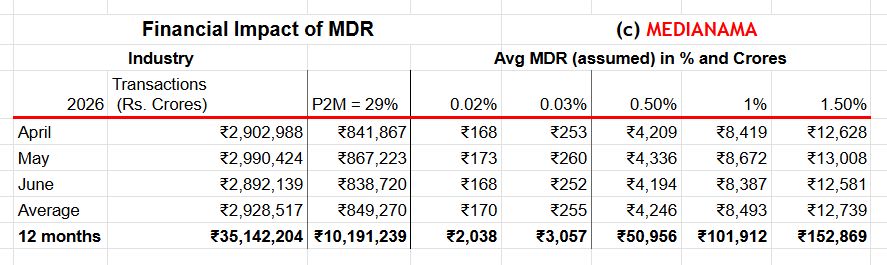
India's government plans to amend the Payment and Settlement Systems Act to restore UPI merchant discount rates, ending the zero-MDR regime in place since January 2020.
Key Takeaways
May 4, 2026 · 2 min read · By Rishabh Bhardwaj
·
AI-assisted, human-reviewed · Our editorial standards

Vote counting for all 140 Kerala Assembly seats began at 8:00 am on Monday, with early trends showing the United Democratic Front (UDF) ahead on 18 seats, the Left Democratic Front (LDF) leading on 7, and the BJP in front on 4.
These are early leads, not final results. In Indian elections, initial trends from the first few rounds of counting can shift significantly as more ballot batches are tallied. The full picture will emerge over the course of the day.
The UDF, led by the Indian National Congress, holds a sizable early advantage over the ruling LDF, which is anchored by the Communist Party of India (Marxist). If the trend holds, it would mark a change of government in the state. Kerala has historically alternated between the two fronts at nearly every election.
The BJP's early lead on 4 seats is worth watching. The party has struggled to win seats in Kerala in past assembly elections despite a strong vote share in some pockets, particularly in the Thrissur and northern districts. Any seat gains would represent a meaningful shift in the state's political map.
The key question is whether the UDF lead widens, holds, or narrows as counting progresses through later rounds. Seats in urban centres and politically competitive constituencies tend to be called later and can swing overall tallies. A majority in the 140-seat house requires 71 seats.
Results from Kerala carry broader political significance ahead of national electoral cycles, as the state is a key battleground for both the Congress-led opposition bloc and the BJP's expansion ambitions in southern India.
India's government plans to amend the Payment and Settlement Systems Act to restore UPI merchant discount rates, ending the zero-MDR regime in place since January 2020.
India's government has introduced the Taxation and Other Laws (Amendment) Bill, 2026, proposing changes to payments regulation, income tax, and the Finance Act to attract FDI and support Make in India. The Bill's final shape will depend on parliamentary debate and committee review.
The government's Taxation and Other Laws (Amendment) Bill, 2026, proposes to replace the blanket UPI MDR ban with a system allowing the Centre to notify which payment modes stay fee-free.
Prime Minister Narendra Modi inaugurated the Rs 5,000 crore Bhogapuram greenfield airport in Andhra Pradesh, built under a public-private partnership model. He also laid foundation stones for infrastructure projects worth nearly Rs 18,000 crore in the state, signalling a broad investment push for the region.