India to Restore UPI Merchant Fees, PhonePe Gains Most
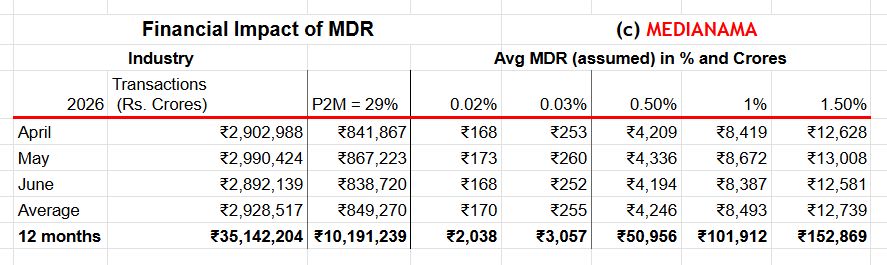
India's government plans to amend the Payment and Settlement Systems Act to restore UPI merchant discount rates, ending the zero-MDR regime in place since January 2020.
Key Takeaways
May 3, 2026 · 2 min read · By Rishabh Bhardwaj
·
AI-assisted, human-reviewed · Our editorial standards
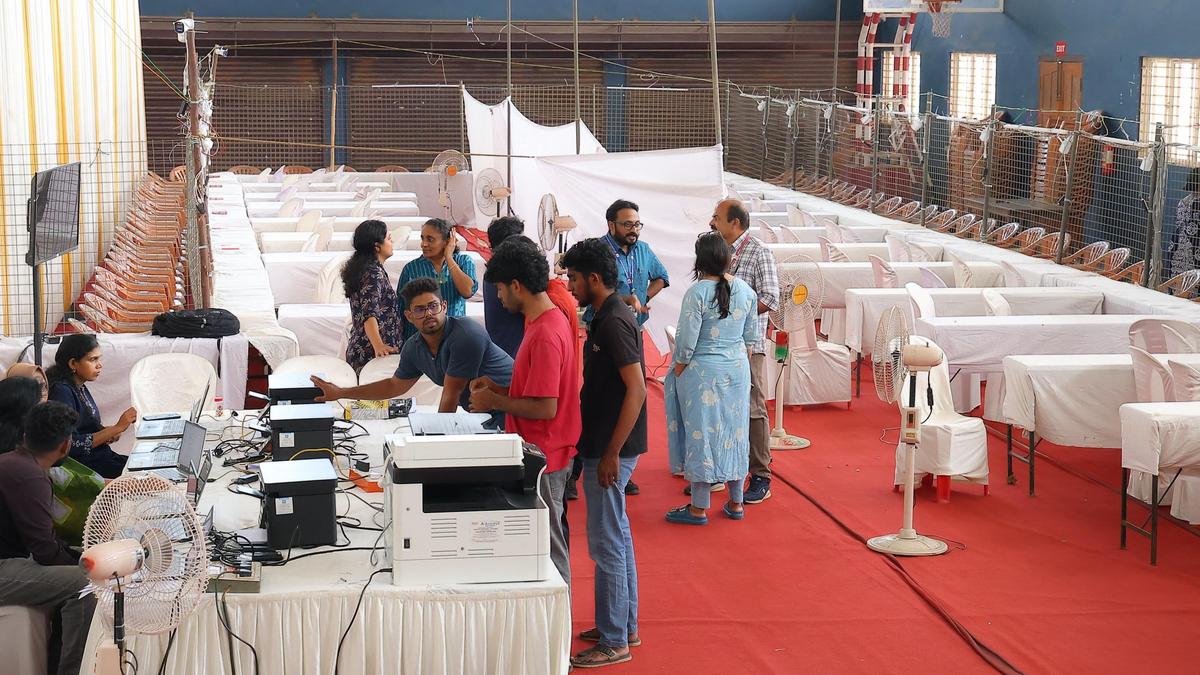
Security forces have been deployed across sensitive areas in Kerala ahead of the 2026 assembly election results, as authorities prepare for potential law and order challenges following the verdict.
Kerala has historically seen post-election tension in certain constituencies, particularly in areas with strong political rivalries between the Left Democratic Front, the Congress-led United Democratic Front, and the Bharatiya Janata Party. Precautionary deployments before a result day are standard practice in these regions, but the scale and timing signal that officials consider the risk elevated this cycle.
Authorities have focused on areas designated as sensitive or hyper-sensitive, a classification based on past incidents of electoral violence, communal friction, or close contest margins. Police and paramilitary units are typically stationed at counting centers, key road junctions, and public gathering points to prevent clashes as results come in.
The move also involves restrictions on large assemblies and heightened surveillance to monitor social media for inflammatory content that could trigger ground-level incidents. These are standard Election Commission of India protocols activated around result days in high-tension states.
Kerala's 140-seat assembly has been a closely fought battleground, with the LDF and UDF trading power in near-regular cycles. A narrow outcome in key seats can produce prolonged disputes and, historically, sporadic violence in pockets of Kannur, Malappuram, and Thiruvananthapuram districts. The 2026 cycle carries added weight given national political calculations around each major state result.
For businesses and daily life, tight security typically means temporary disruptions to movement in flagged areas and a cautious opening of commercial activity until the situation stabilizes post-result. Markets and investor sentiment around Kerala-focused assets are unlikely to move sharply on the result alone, but a contested or unclear outcome could extend uncertainty.
Watch for: the pace at which the winning side claims a mandate, any reports of post-result incidents in flagged districts, and whether the Election Commission issues additional directives as counting progresses.
India's government plans to amend the Payment and Settlement Systems Act to restore UPI merchant discount rates, ending the zero-MDR regime in place since January 2020.
India's government has introduced the Taxation and Other Laws (Amendment) Bill, 2026, proposing changes to payments regulation, income tax, and the Finance Act to attract FDI and support Make in India. The Bill's final shape will depend on parliamentary debate and committee review.
The government's Taxation and Other Laws (Amendment) Bill, 2026, proposes to replace the blanket UPI MDR ban with a system allowing the Centre to notify which payment modes stay fee-free.
Prime Minister Narendra Modi inaugurated the Rs 5,000 crore Bhogapuram greenfield airport in Andhra Pradesh, built under a public-private partnership model. He also laid foundation stones for infrastructure projects worth nearly Rs 18,000 crore in the state, signalling a broad investment push for the region.