Karnataka Police arrested a man for impersonating an IAS officer in Chikkamagaluru district, where he held meetings with government officials and received a public felicitation ceremony for supposedly clearing the UPSC examination. The accused operated with enough credibility to engage administrative personnel and be honored at a formal event. He exploited the persona to pursue financial gain: he promised a medicine supply tender to a local shop-owner and allegedly demanded a bribe to deliver on it. The case exposes a verification gap at the local government level, where identity checks on visiting officials appear to have been absent or bypassed. Police have not detailed how long the impersonation continued or what other commitments were made. Authorities will likely face scrutiny over why district officials met and felicitated an unverified individual without confirming credentials through state or central government records. The bribery angle adds a criminal extortion dimension beyond impersonation alone, raising the charge profile the accused now faces.
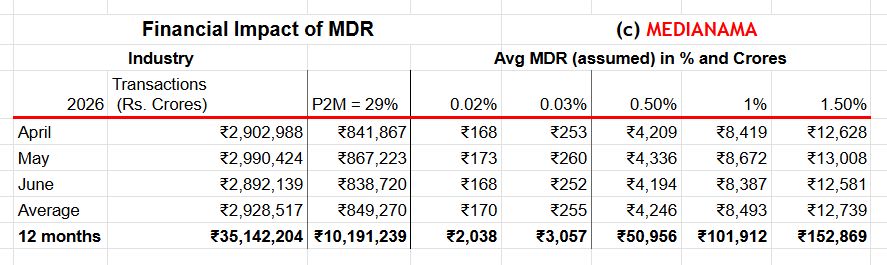
India's government plans to amend the Payment and Settlement Systems Act to restore UPI merchant discount rates, ending the zero-MDR regime in place since January 2020.
India's government has introduced the Taxation and Other Laws (Amendment) Bill, 2026, proposing changes to payments regulation, income tax, and the Finance Act to attract FDI and support Make in India. The Bill's final shape will depend on parliamentary debate and committee review.
The government's Taxation and Other Laws (Amendment) Bill, 2026, proposes to replace the blanket UPI MDR ban with a system allowing the Centre to notify which payment modes stay fee-free.
Prime Minister Narendra Modi inaugurated the Rs 5,000 crore Bhogapuram greenfield airport in Andhra Pradesh, built under a public-private partnership model. He also laid foundation stones for infrastructure projects worth nearly Rs 18,000 crore in the state, signalling a broad investment push for the region.