
Qatar Signals Progress in US-Iran War Talks
Qatar's foreign ministry said mediators including Qatar, Pakistan, and Oman have reached "very progressive stages" in efforts to end the US-Iran war, pushing Brent crude down more than four percent.
Key Takeaways
May 2, 2026 · 2 min read · By Rishabh Bhardwaj
·
AI-assisted, human-reviewed · Our editorial standards
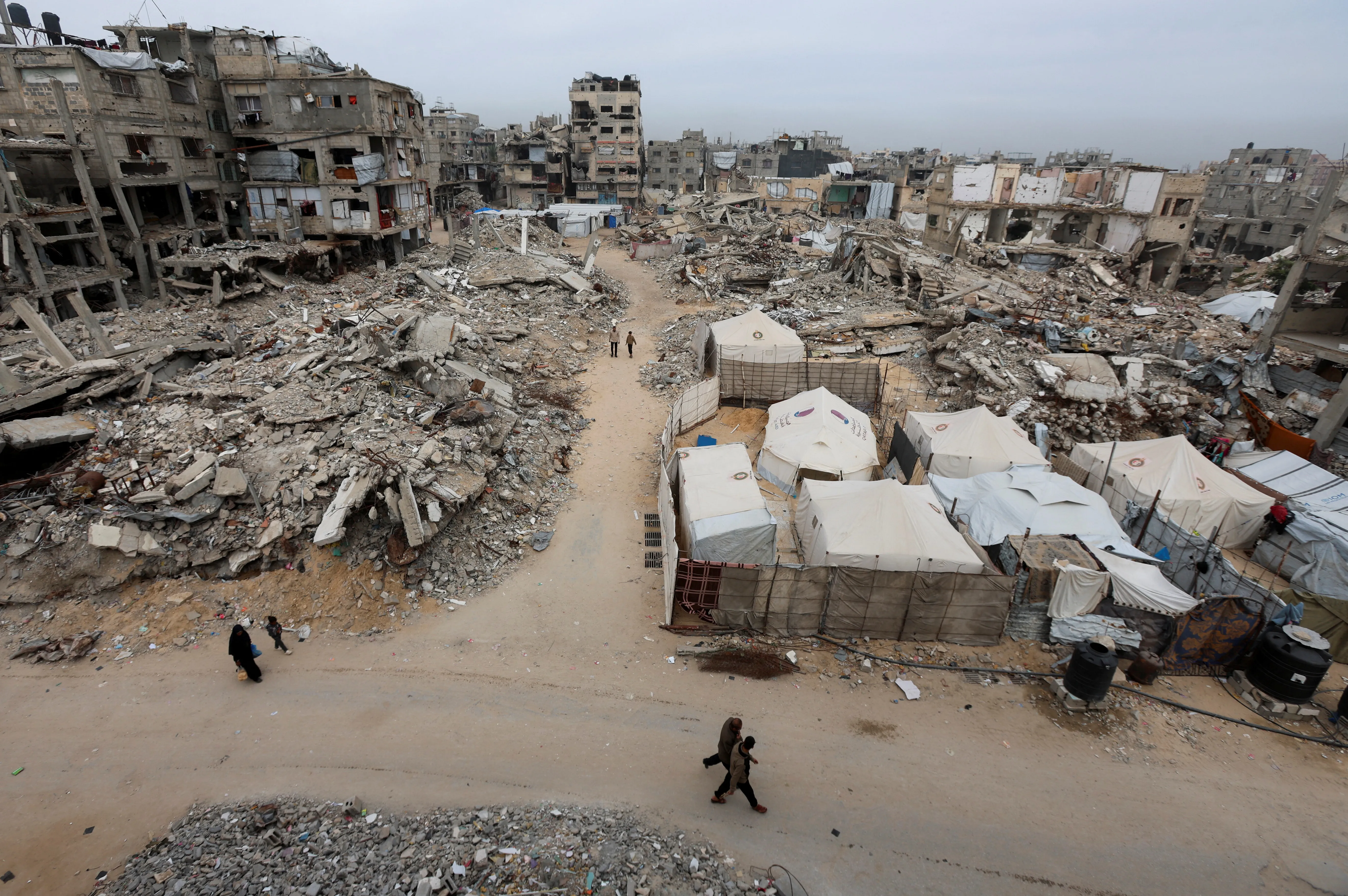
Israel has expanded what it calls the "orange line" in Gaza, a system of designated no-go zones that increasingly restricts where civilians can move across the territory. The expansion is tightening the perimeter of permissible movement and, according to the source reporting, raising the risk of deadly consequences for those caught in or near restricted areas.
The "orange line" refers to a demarcated boundary system used by Israeli forces to define areas civilians are barred from entering or transiting. As the line expands, the zones considered off-limits grow larger, effectively shrinking the space available to Gaza's civilian population. The mechanism works through enforcement on the ground: movement beyond the line places civilians at direct physical risk.
No-go zones of this kind are a known tool in active conflict management. They are typically enforced by military presence or warning systems, and crossing them, whether by choice or by error, can result in lethal force. The concern here is that as the orange line extends further across Gaza, the margin of safe space narrows, and the risk of accidental or unavoidable crossings rises alongside it.
The growth of restricted zones compounds already severe constraints on civilian movement in Gaza, a densely populated territory where displacement has been widespread since the conflict escalated. Larger no-go areas mean fewer routes for people trying to move between neighborhoods, access aid, or reach medical care.
The practical effect is a compression of livable space. Civilians navigating the territory face a harder task of identifying which areas are currently restricted, especially as the boundary shifts. Any error in that calculation carries lethal risk.
The reporting does not specify the exact current boundaries of the orange line, the precise enforcement mechanism, or the number of people directly affected by its most recent expansion. What is clear is the directional trend: the restricted zone is getting larger, and the risks attached to that expansion fall primarily on civilian residents.
Observers and humanitarian organizations tracking conditions in Gaza will be watching whether further expansions follow and whether any formal notification or mapping is made available to civilians or aid workers operating in the area.
Qatar's foreign ministry said mediators including Qatar, Pakistan, and Oman have reached "very progressive stages" in efforts to end the US-Iran war, pushing Brent crude down more than four percent.
Qatar confirmed it is mediating between the US and Iran but said no direct talks are currently planned. The clarification follows conflicting statements from President Trump, who claimed talks are under way, and Tehran, which denied any dialogue is happening.
Saudi Aramco reported sharply higher second-quarter 2026 profits as the Iran war restricts global oil supply and pushes crude prices up. Other oil supermajors also posted outsized earnings, raising concerns about sustained fuel cost pressure for importing economies.
President Trump called current Iran negotiations the "last chance" to end five months of conflict, pushing oil prices higher. Tehran denied formal talks are taking place, raising the risk of a diplomatic breakdown with direct consequences for global energy markets.