
Qatar Signals Progress in US-Iran War Talks
Qatar's foreign ministry said mediators including Qatar, Pakistan, and Oman have reached "very progressive stages" in efforts to end the US-Iran war, pushing Brent crude down more than four percent.
Key Takeaways
May 3, 2026 · 2 min read · By Rishabh Bhardwaj
·
AI-assisted, human-reviewed · Our editorial standards
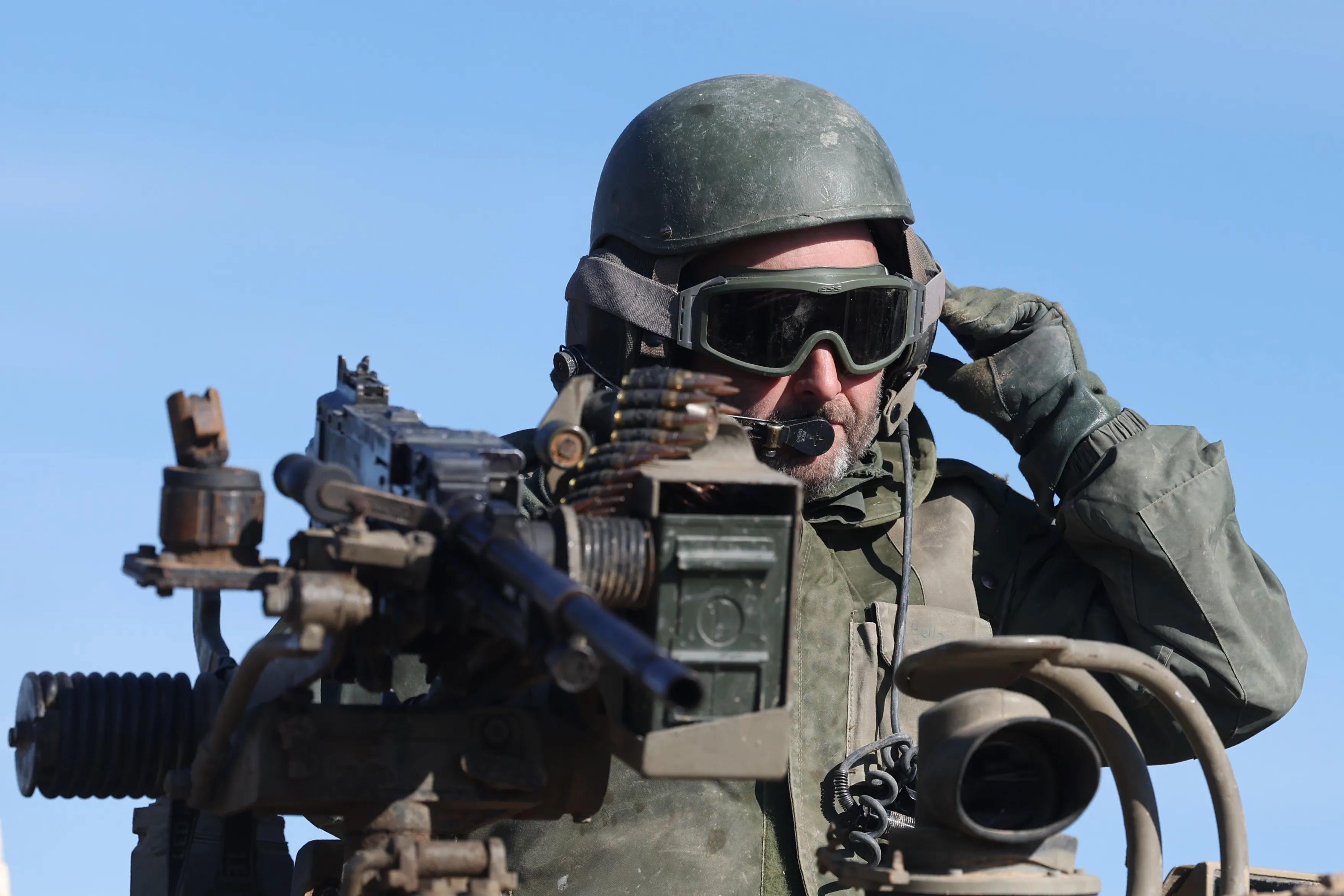
Israel has threatened to resume full-scale military operations in Gaza unless Palestinian factions agree to disarm, raising the prospect of a ceasefire collapse at a moment when humanitarian conditions in the territory remain severe.
The demand puts weapons surrender at the center of any continued truce, but Palestinian factions have flatly rejected the condition. Their position is that disarmament cannot be discussed without a clear political framework, meaning defined commitments on Palestinian statehood, governance, or a post-war political arrangement, before any weapons are handed over.
The plan in question, supported by Washington, ties the delivery or continuation of aid to disarmament. For Palestinian factions, that linkage is a non-starter. It frames weapons as a bargaining chip to be surrendered in exchange for basic supplies, without offering a political settlement in return. Factions appear unwilling to give up their only leverage before knowing what they get back politically.
The structure of the demand matters here. Asking armed groups to disarm as a precondition, rather than as part of a negotiated end-state, is historically one of the hardest asks in any ceasefire process. Groups that disarm before a political deal is locked in risk losing all bargaining power if talks collapse later.
The ceasefire, already under strain, now faces a defined breaking point. Israel has made resumption of war an explicit threat rather than a background possibility. That shift in language is significant: it is either a pressure tactic to force concessions, or a signal that military planners are genuinely preparing to re-engage.
For civilians in Gaza, the stakes are direct. If fighting resumes, aid flows already disrupted by the conflict would face further interruption. The aid-for-disarmament linkage also means that humanitarian relief is now formally conditional on a political outcome, a framing aid organizations typically resist.
Watch for whether any third-party mediator, Egypt, Qatar, or others who brokered earlier phases, steps in with a bridging proposal. The gap between the two positions is wide: Israel and the US want disarmament first; Palestinian factions want a political horizon first. Neither side has shown movement yet.
Qatar's foreign ministry said mediators including Qatar, Pakistan, and Oman have reached "very progressive stages" in efforts to end the US-Iran war, pushing Brent crude down more than four percent.
Qatar confirmed it is mediating between the US and Iran but said no direct talks are currently planned. The clarification follows conflicting statements from President Trump, who claimed talks are under way, and Tehran, which denied any dialogue is happening.
Saudi Aramco reported sharply higher second-quarter 2026 profits as the Iran war restricts global oil supply and pushes crude prices up. Other oil supermajors also posted outsized earnings, raising concerns about sustained fuel cost pressure for importing economies.
President Trump called current Iran negotiations the "last chance" to end five months of conflict, pushing oil prices higher. Tehran denied formal talks are taking place, raising the risk of a diplomatic breakdown with direct consequences for global energy markets.