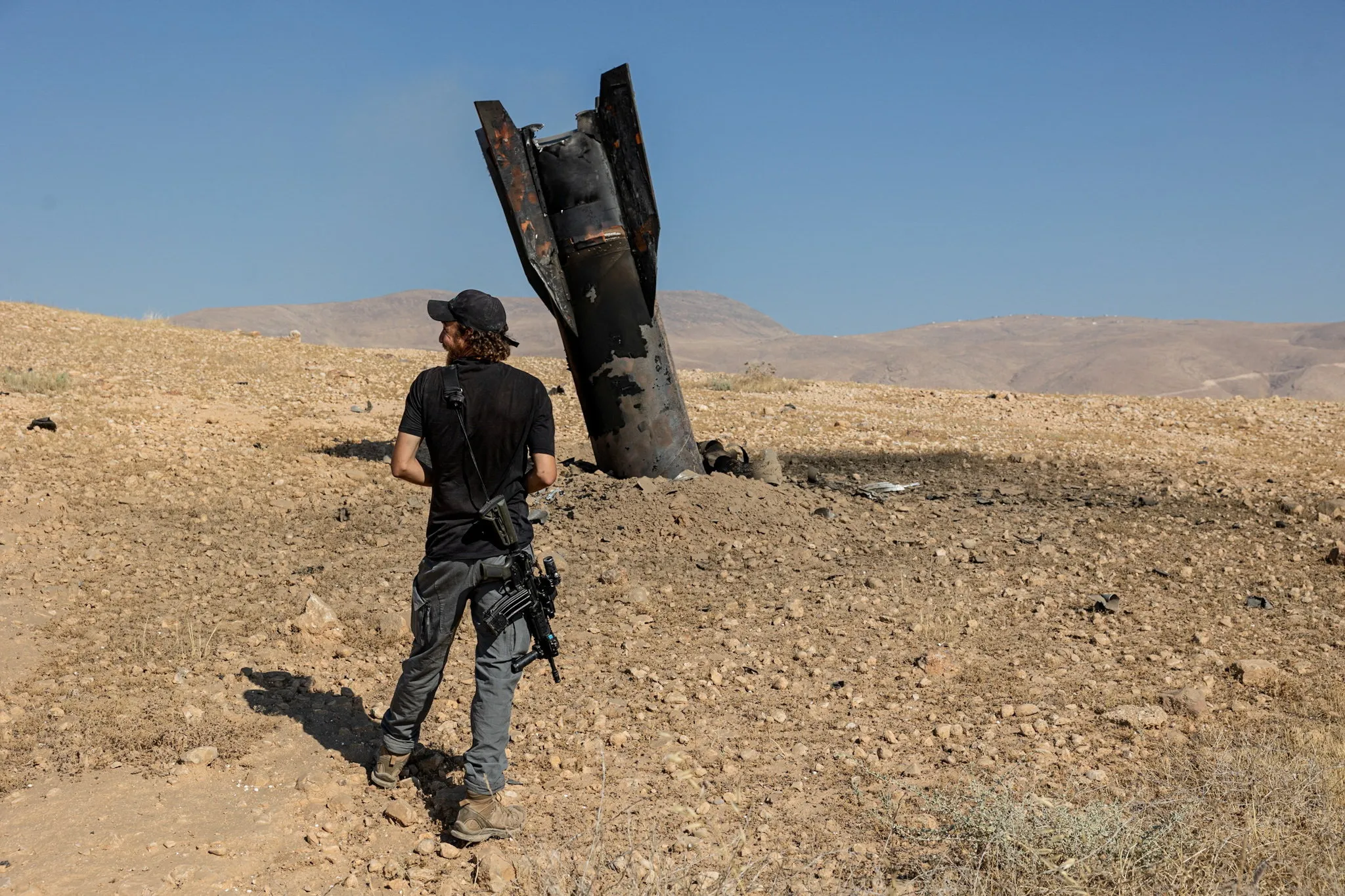
Israel and Iran exchanged direct attacks as efforts to hold a ceasefire together showed signs of strain, with US President Donald Trump speaking to Israeli Prime Minister Benjamin Netanyahu in an attempt to contain the escalation, according to US media reports.
The exchange marks another serious flare-up in what has become a pattern of direct military confrontation between Israel and Iran, a significant shift from the decades-long shadow war the two countries waged through proxies across the region. Direct exchanges between the two countries carry a different risk profile entirely: miscalculation is harder to contain, and each round raises the floor for what counts as a normal level of hostility.
What Is Happening and Why It Matters
The details of the specific attacks, including their scale, targets, and timing, have not been fully disclosed in available reporting. What is clear is that both sides traded strikes and that the ceasefire arrangement, whatever its precise terms, is under serious pressure. Trump's direct call to Netanyahu signals that Washington views the situation as volatile enough to require top-level engagement to prevent further escalation.
US involvement at the presidential level is meaningful. When a sitting American president calls an Israeli prime minister during an active exchange of fire, it typically signals one of two things: a push to stand down, or coordination on next steps. Either way, it confirms that the White House is treating this as a live crisis rather than a manageable flare-up.
For markets, direct Israel-Iran conflict has historically triggered short-term spikes in oil prices, a flight to safe-haven assets like gold and US Treasuries, and selling pressure on equities in the region and globally. Iran is a significant oil producer, and any conflict that threatens Strait of Hormuz shipping lanes, through which a large share of global crude moves, tends to put an immediate premium on energy prices.
What to Watch Next
The durability of any ceasefire now depends on whether both sides see more to gain from pausing than from continuing. Iran's calculations are shaped by domestic pressure, its nuclear program's status, and how much it can absorb economically under existing sanctions. Israel's calculus involves its security cabinet, public opinion following recent rounds of conflict, and how much diplomatic cover it receives from Washington.
Trump's intervention introduces an unpredictable variable. His administration has maintained pressure on Iran through a maximum-pressure sanctions posture while also at times signaling openness to negotiation. Whether his call to Netanyahu was aimed at de-escalation or at coordinating a more forceful response is not yet clear from available reporting.
The broader regional picture also matters. Any sustained escalation between Israel and Iran tends to pull in other actors, including Hezbollah in Lebanon, Houthi forces in Yemen, and Iranian-backed militias in Iraq and Syria. Each of those fronts has its own tension level, and a spike at the Israel-Iran level can quickly become a multi-front problem.
For now, the key question is whether the ceasefire can be salvaged or whether this exchange represents a breakdown. The answer will determine the near-term trajectory for regional stability, energy markets, and US foreign policy focus in the Middle East.