
Qatar Signals Progress in US-Iran War Talks
Qatar's foreign ministry said mediators including Qatar, Pakistan, and Oman have reached "very progressive stages" in efforts to end the US-Iran war, pushing Brent crude down more than four percent.
Key Takeaways
May 31, 2026 · 4 min read · By Rishabh Bhardwaj
·
AI-assisted, human-reviewed · Our editorial standards
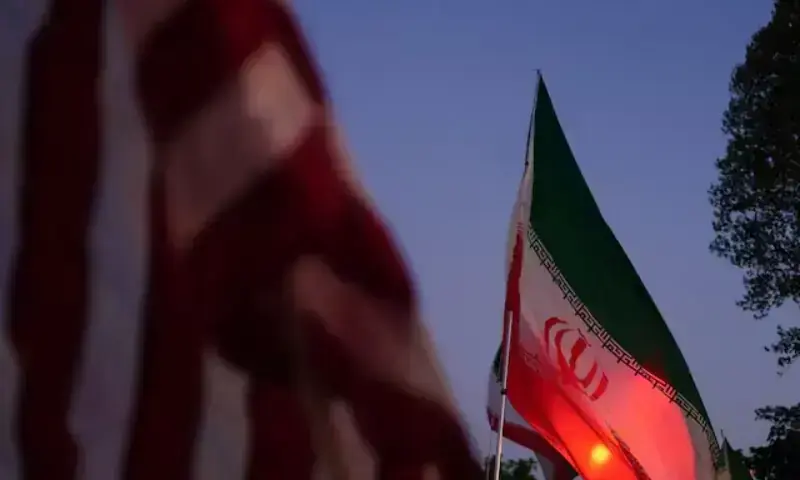
Islamabad is positioned as the frontrunner to host a formal signing ceremony if Washington and Tehran finalise a peace agreement, according to diplomatic sources at the United Nations and in Washington. The talks, which Pakistan helped broker in their earliest stages, have reached an advanced enough point that one senior diplomat put the odds of a final deal at nine out of ten, though no timeline was offered.
The logic behind Islamabad as a venue is straightforward. The US and Iran have no diplomatic relations, which rules out each other's capitals. Because Pakistan hosted the first round of direct talks between the two sides, diplomats say it carries a natural legitimacy as neutral ground that few other capitals can match at this stage.
Sources familiar with the negotiations described the broad shape of a potential agreement. At its core, Iran would reopen the Strait of Hormuz, the strategic waterway it has kept closed since the early stages of the conflict, disrupting global energy markets and trade flows. In return, the US-Israeli military campaign against Iran would effectively end. Tehran would also provide assurances that it will not pursue nuclear weapons, but the harder questions, including the future structure of Iran's nuclear programme and the fate of its enriched uranium stockpile, would be deferred to later negotiating rounds. This phased structure broadly matches details reported by Reuters and The Washington Post.
Former Pakistani ambassador to the UN Munir Akram described the remaining gaps as more about political optics than core substance. Speaking on a television interview on Saturday, he said both sides need to frame an agreement as a win at home. That constraint is real but manageable, in his view, and he predicted negotiators would eventually close the distance.
The momentum toward a settlement comes from a shared recognition that the current stalemate is expensive for everyone. US officials, according to sources familiar with the talks, concluded early in the conflict that air power alone would not deliver all of Washington's objectives, and that a prolonged campaign risked becoming a political liability domestically. Iran reached a parallel calculation. While Tehran views its ability to absorb months of military pressure as a strategic signal, its economy, already weakened by war and sanctions, faces further damage with every week of continued conflict. Critical infrastructure destruction compounds that pressure.
President Donald Trump's publicly stated demands, according to Akram, overlap significantly with provisions already being discussed at the negotiating table, suggesting the rhetorical distance between the two sides is narrower than public statements imply.
Still, serious obstacles remain. Tehran is pushing for an immediate halt to Israeli military operations in southern Lebanon as part of any broader regional settlement. Diplomats warn this demand alone could complicate or delay an agreement, and Akram noted that continued delays are giving Israel more time to consolidate its position in Lebanon, which weakens Iran's allied forces there.
Washington's Gulf allies add another layer of complexity. The conflict exposed Iranian vulnerabilities, but Iran's demonstrated ability to withstand sustained military pressure has raised anxiety among Arab states in the region. Some Gulf governments have started exploring closer ties with Iran as insurance against future instability. The US has responded by reaffirming its long-term military commitment to the Gulf, and sources say Washington has made clear it will not reduce its regional military presence as part of any deal.
Disagreements over sequencing, security guarantees, and how each side messages the outcome to its domestic audience are the main remaining friction points. But the diplomatic read, for now, is that both Washington and Tehran have concluded a negotiated exit is better than an open-ended conflict whose costs keep rising. If they get there, Pakistan is the most likely place the world will watch them sign it.
Qatar's foreign ministry said mediators including Qatar, Pakistan, and Oman have reached "very progressive stages" in efforts to end the US-Iran war, pushing Brent crude down more than four percent.
Qatar confirmed it is mediating between the US and Iran but said no direct talks are currently planned. The clarification follows conflicting statements from President Trump, who claimed talks are under way, and Tehran, which denied any dialogue is happening.
Saudi Aramco reported sharply higher second-quarter 2026 profits as the Iran war restricts global oil supply and pushes crude prices up. Other oil supermajors also posted outsized earnings, raising concerns about sustained fuel cost pressure for importing economies.
President Trump called current Iran negotiations the "last chance" to end five months of conflict, pushing oil prices higher. Tehran denied formal talks are taking place, raising the risk of a diplomatic breakdown with direct consequences for global energy markets.