
Qatar Signals Progress in US-Iran War Talks
Qatar's foreign ministry said mediators including Qatar, Pakistan, and Oman have reached "very progressive stages" in efforts to end the US-Iran war, pushing Brent crude down more than four percent.
Key Takeaways
May 2, 2026 · 2 min read · By Rishabh Bhardwaj
·
AI-assisted, human-reviewed · Our editorial standards
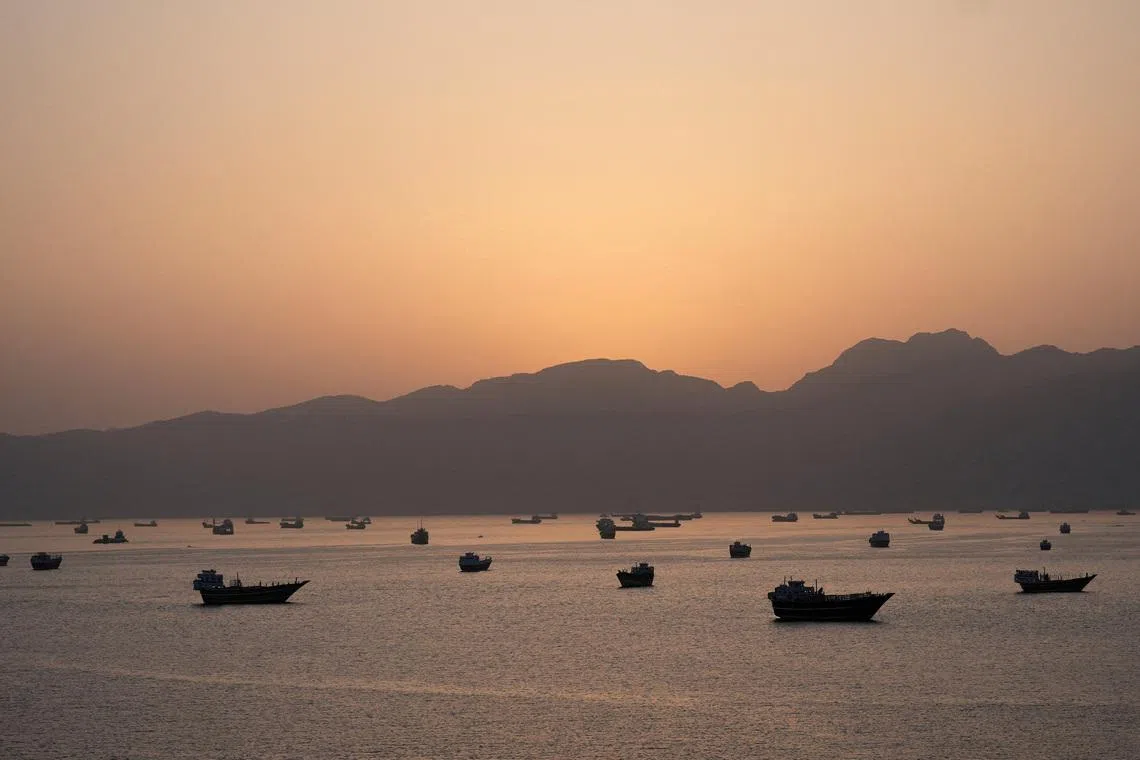
Iran has put a proposal on the table that would reopen the Strait of Hormuz to shipping and lift the U.S. blockade on Iran, but critically, it would push nuclear negotiations to a later stage. President Donald Trump has so far rejected the offer, according to a senior Iranian official speaking on Saturday.
The Strait of Hormuz is one of the world's most important oil transit chokepoints, carrying roughly 20% of global oil supply. Any disruption there sends immediate shockwaves through energy markets. Iran's proposal essentially separates two issues the Trump administration has treated as linked: maritime access and the nuclear programme.
By offering to open the strait first and defer nuclear talks, Iran appears to be seeking relief from economic pressure, specifically the U.S. blockade, without making upfront commitments on uranium enrichment or weapons capability. From Tehran's perspective, sequencing it this way protects negotiating leverage on the nuclear file while offering something immediate to Washington and global oil markets.
Trump's rejection signals that the administration is unwilling to grant Iran economic relief before securing commitments on the nuclear programme. The U.S. position, as reflected by the rejection, appears to be that the two issues must be resolved together, not in stages that could leave nuclear concerns unaddressed.
The impasse keeps geopolitical risk elevated in the Gulf. Oil traders and shipping companies will be watching whether Iran escalates pressure on Hormuz as a negotiating tactic, or whether back-channel talks push this proposal closer to acceptance. Any credible threat to Hormuz traffic tends to push oil prices higher quickly, given how little spare tanker routing exists around the strait.
For diplomacy, the rejection narrows the near-term path to a deal. With the two sides disagreeing on sequencing, not just substance, the gap is procedural as well as political, which typically makes bridging harder. What to watch: whether Trump's team offers a counter-proposal, and whether Iran raises the stakes by tightening movement through the strait.
Qatar's foreign ministry said mediators including Qatar, Pakistan, and Oman have reached "very progressive stages" in efforts to end the US-Iran war, pushing Brent crude down more than four percent.
Qatar confirmed it is mediating between the US and Iran but said no direct talks are currently planned. The clarification follows conflicting statements from President Trump, who claimed talks are under way, and Tehran, which denied any dialogue is happening.
Saudi Aramco reported sharply higher second-quarter 2026 profits as the Iran war restricts global oil supply and pushes crude prices up. Other oil supermajors also posted outsized earnings, raising concerns about sustained fuel cost pressure for importing economies.
President Trump called current Iran negotiations the "last chance" to end five months of conflict, pushing oil prices higher. Tehran denied formal talks are taking place, raising the risk of a diplomatic breakdown with direct consequences for global energy markets.