
Qatar Signals Progress in US-Iran War Talks
Qatar's foreign ministry said mediators including Qatar, Pakistan, and Oman have reached "very progressive stages" in efforts to end the US-Iran war, pushing Brent crude down more than four percent.
Key Takeaways
May 4, 2026 · 2 min read · By Rishabh Bhardwaj
·
AI-assisted, human-reviewed · Our editorial standards
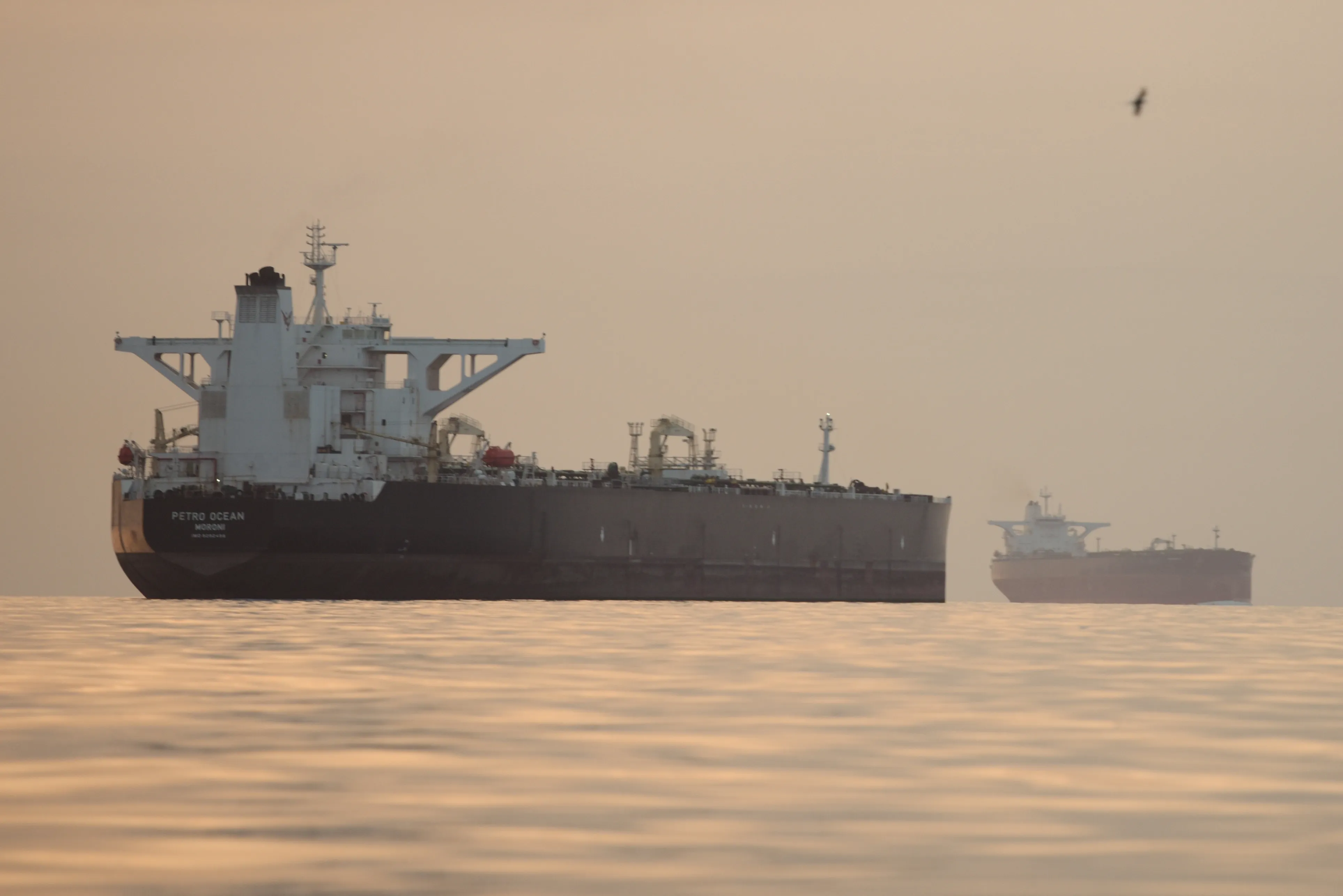
The United States is launching a naval escort operation called Project Freedom, with President Donald Trump announcing that American forces will begin guiding stranded commercial ships through the Strait of Hormuz starting Monday. Iran has responded with a warning, telling Washington to stay out of the waterway.
The Strait of Hormuz is one of the world's most critical shipping chokepoints. Roughly 20% of global oil trade passes through the narrow passage between Iran and Oman each day, making any disruption there a direct pressure point for energy markets worldwide.
Trump's announcement positions the US Navy as an active escort force for commercial vessels that have been stranded or deterred from transiting the strait. The term "stranded ships" suggests Iran has already been interfering with or blocking vessel movement, though the source does not detail the specific incidents behind that description.
Naval escort operations of this kind place US military assets directly alongside civilian cargo and tanker ships, creating a situation where any Iranian interdiction attempt would risk a direct confrontation with American forces. That raises the stakes significantly compared with Iran simply harassing third-party vessels.
Tehran's pushback is not symbolic. Iran has previously seized foreign tankers in the strait and has the naval and missile capacity to threaten shipping traffic in the narrow waterway. A formal warning directed at the US signals that Iran views Project Freedom as a provocation, not a neutral safety measure.
For oil markets, the combination of an active US escort mission and Iranian opposition creates fresh uncertainty around supply flows. Any incident in the strait, even a minor one, could trigger sharp moves in crude prices given how much volume transits the passage daily.
The broader context matters too. US-Iran tensions have been running high over nuclear negotiations and sanctions. An American military presence explicitly designed to override Iranian influence over the strait adds a new and volatile dimension to that standoff.
Watch for whether Iran moves beyond verbal warnings to physical interference with US-escorted ships, and whether other major oil-importing nations, particularly in Asia, respond by rerouting tankers or seeking diplomatic cover.
Qatar's foreign ministry said mediators including Qatar, Pakistan, and Oman have reached "very progressive stages" in efforts to end the US-Iran war, pushing Brent crude down more than four percent.
Qatar confirmed it is mediating between the US and Iran but said no direct talks are currently planned. The clarification follows conflicting statements from President Trump, who claimed talks are under way, and Tehran, which denied any dialogue is happening.
Saudi Aramco reported sharply higher second-quarter 2026 profits as the Iran war restricts global oil supply and pushes crude prices up. Other oil supermajors also posted outsized earnings, raising concerns about sustained fuel cost pressure for importing economies.
President Trump called current Iran negotiations the "last chance" to end five months of conflict, pushing oil prices higher. Tehran denied formal talks are taking place, raising the risk of a diplomatic breakdown with direct consequences for global energy markets.