
Qatar Signals Progress in US-Iran War Talks
Qatar's foreign ministry said mediators including Qatar, Pakistan, and Oman have reached "very progressive stages" in efforts to end the US-Iran war, pushing Brent crude down more than four percent.
Key Takeaways
May 10, 2026 · 2 min read · By Rishabh Bhardwaj
·
AI-assisted, human-reviewed · Our editorial standards
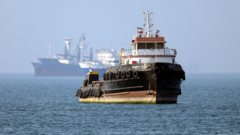
Iran has warned countries and companies against complying with US sanctions, even as separate reports emerged of a commercial vessel being struck off Qatar and drone attacks hitting targets in the UAE and Kuwait.
The timing is pointed. Iran's warning against sanctions compliance is a direct pressure tactic aimed at trading partners, shipping firms, and financial institutions that might otherwise fall in line with US restrictions. By signalling that compliance itself carries consequences, Tehran is trying to raise the cost of following American policy in the region.
A commercial vessel was reported hit off the coast of Qatar, while both the UAE and Kuwait reported drone attacks. The article does not attribute responsibility for the attacks, and no group has been confirmed as the source. Still, the incidents fit a pattern of maritime and aerial disruptions that have periodically rattled Gulf shipping lanes over the past several years.
The Gulf remains one of the world's most critical energy transit corridors. Any sustained threat to vessels or infrastructure in the area carries immediate implications for oil and gas flows, insurance premiums on shipping, and the operational risk calculus of firms doing business in the region.
Iran's public warning against sanctions compliance is aimed at countries that maintain trade or financial ties with Tehran despite US pressure. It is a signal that Iran intends to push back against economic isolation, not just diplomatically, but potentially through actions that raise costs for those who do comply.
For businesses and governments already navigating US secondary sanctions, rules that penalise non-American entities for dealing with sanctioned parties, the warning adds another layer of pressure from the opposite direction. Caught between Washington's enforcement machinery and Tehran's threats, mid-sized trading partners face a harder set of choices.
The convergence of the sanctions warning with the Gulf attack reports, whatever their ultimate source, will likely sharpen attention on regional security and energy supply risk. Oil markets, Gulf sovereign risk assessments, and shipping insurers will all be watching closely for any escalation or official attribution of the attacks.
Qatar's foreign ministry said mediators including Qatar, Pakistan, and Oman have reached "very progressive stages" in efforts to end the US-Iran war, pushing Brent crude down more than four percent.
Qatar confirmed it is mediating between the US and Iran but said no direct talks are currently planned. The clarification follows conflicting statements from President Trump, who claimed talks are under way, and Tehran, which denied any dialogue is happening.
Saudi Aramco reported sharply higher second-quarter 2026 profits as the Iran war restricts global oil supply and pushes crude prices up. Other oil supermajors also posted outsized earnings, raising concerns about sustained fuel cost pressure for importing economies.
President Trump called current Iran negotiations the "last chance" to end five months of conflict, pushing oil prices higher. Tehran denied formal talks are taking place, raising the risk of a diplomatic breakdown with direct consequences for global energy markets.