
Qatar Signals Progress in US-Iran War Talks
Qatar's foreign ministry said mediators including Qatar, Pakistan, and Oman have reached "very progressive stages" in efforts to end the US-Iran war, pushing Brent crude down more than four percent.
Key Takeaways
May 4, 2026 · 2 min read · By Rishabh Bhardwaj
·
AI-assisted, human-reviewed · Our editorial standards
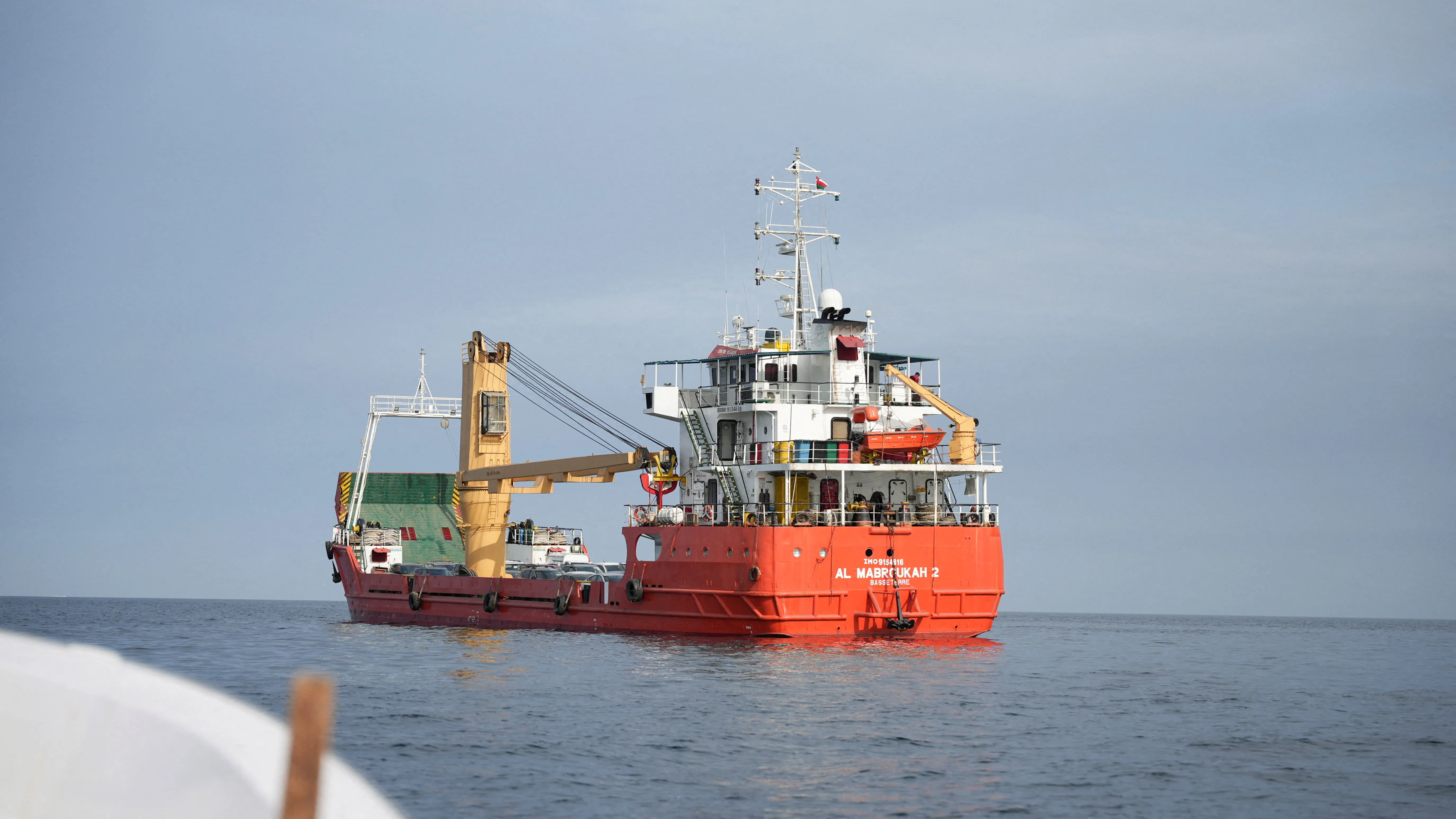
On day 66 of the Iran conflict, President Donald Trump announced a new mission focused on the Strait of Hormuz, one of the world's most critical oil shipping chokepoints. The move came as Iran said it had received a formal US response to its earlier peace proposal.
The Strait of Hormuz sits between Iran and Oman and carries roughly 20% of global oil supply. Any sustained military activity or blockade threat in the strait tends to move energy markets quickly, as traders price in supply disruption risk. Trump's announcement of a specific Hormuz mission signals that Washington is treating the waterway as an active theater of concern, not just a diplomatic backdrop.
Iran confirmed it received the US reply to its peace proposal, but the substance of that response has not been made public. That leaves two tracks running simultaneously: a diplomatic channel that appears at least nominally open, and a US military posture that is now explicitly focused on a chokepoint Iran could theoretically use as leverage.
The combination is significant. When negotiations are live but fragile, a visible military move at Hormuz can function as pressure or signal, but it also raises the chance of miscalculation. The gap between what each side says publicly and what was exchanged privately is the key unknown right now.
Oil prices are sensitive to any escalation signal involving Hormuz. A formal US mission there, announced by the president, is the kind of headline that traders watch closely. Sustained tension could support higher crude prices, which in turn affects fuel costs, freight rates, and inflation readings globally.
India is directly exposed here. It sources a large share of its crude from the Gulf region and routes much of that supply through or near the strait. Any disruption or prolonged risk premium in oil would widen India's import bill and put pressure on the rupee.
The next things to watch: the content of the US response to Iran's peace proposal, whether Iran makes a counter-move diplomatically or militarily, and any details that emerge about the scope and rules of engagement for the new Hormuz mission.
Qatar's foreign ministry said mediators including Qatar, Pakistan, and Oman have reached "very progressive stages" in efforts to end the US-Iran war, pushing Brent crude down more than four percent.
Qatar confirmed it is mediating between the US and Iran but said no direct talks are currently planned. The clarification follows conflicting statements from President Trump, who claimed talks are under way, and Tehran, which denied any dialogue is happening.
Saudi Aramco reported sharply higher second-quarter 2026 profits as the Iran war restricts global oil supply and pushes crude prices up. Other oil supermajors also posted outsized earnings, raising concerns about sustained fuel cost pressure for importing economies.
President Trump called current Iran negotiations the "last chance" to end five months of conflict, pushing oil prices higher. Tehran denied formal talks are taking place, raising the risk of a diplomatic breakdown with direct consequences for global energy markets.