
Qatar Signals Progress in US-Iran War Talks
Qatar's foreign ministry said mediators including Qatar, Pakistan, and Oman have reached "very progressive stages" in efforts to end the US-Iran war, pushing Brent crude down more than four percent.
Key Takeaways
May 13, 2026 · 3 min read · By Rishabh Bhardwaj
·
AI-assisted, human-reviewed · Our editorial standards
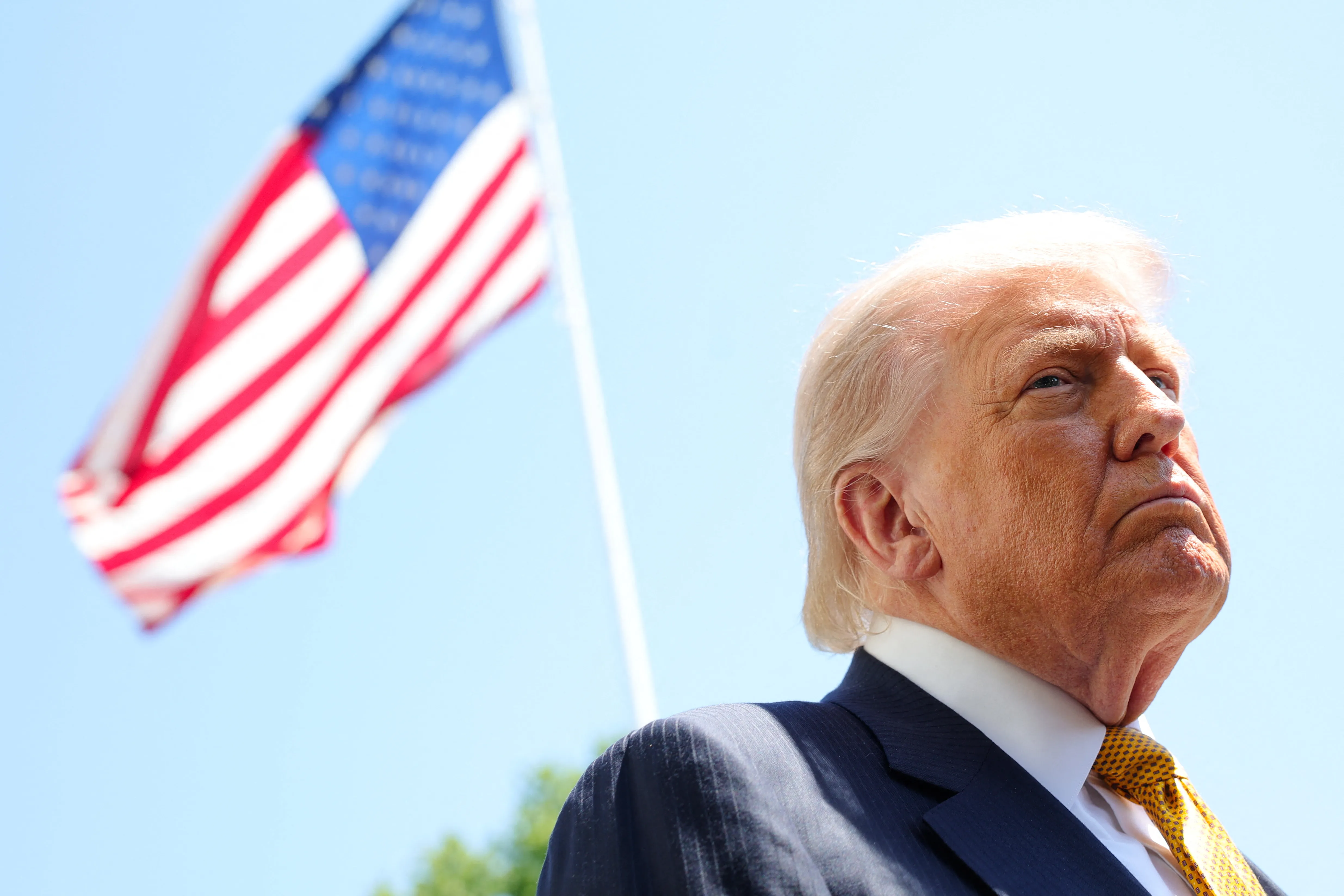
Lebanon's Health Ministry has reported 2,883 people killed and 8,787 injured as a result of Israeli attacks since March 2, placing the ongoing conflict firmly back at the center of regional tensions as U.S. President Donald Trump travels to China.
The death toll and injury figures represent the cumulative human cost of sustained Israeli military operations in Lebanon, a campaign that has drawn international attention and added pressure on diplomatic efforts across the Middle East. The numbers come directly from Lebanese government health authorities, making them an official count rather than an estimate from any single party.
The timing matters. Trump's trip to China brings two of the world's most consequential diplomatic relationships into the same news cycle, with the Lebanon conflict running in the background as a separate but related pressure point. Washington maintains close ties with Israel, and any escalation in Lebanon has historically forced U.S. policymakers to balance alliance commitments against broader calls for de-escalation.
Casualty counts from an active conflict serve multiple functions beyond documenting loss of life. They shape international legal and political debates over proportionality, influence humanitarian aid flows, and affect how neutral governments frame their public positions. A figure approaching 3,000 deaths in Lebanon since early March puts this campaign among the more lethal recent episodes of Israeli military action in the country.
Lebanon's health system has been under severe strain for several years, a legacy of the country's prolonged economic crisis and the 2020 Beirut port explosion. High injury numbers, nearly three times the death count, point to a significant ongoing burden on hospitals and emergency services that were already under-resourced before the current wave of strikes began.
For markets and businesses with exposure to the eastern Mediterranean, sustained conflict raises shipping risk, insurance costs, and investor caution in the region. Lebanon itself has limited direct integration with global financial markets, but the broader signal of instability in the Levant affects sentiment across Gulf and regional assets.
Trump's engagement with Chinese leadership while the Middle East burns on multiple fronts creates a layered diplomatic environment. Iran's role in the conflict ecosystem, its support for armed groups operating in Lebanon, makes any U.S.-China conversation touching on regional security more complex. Beijing has maintained trade relationships with Tehran and has generally opposed Western-led pressure on Iran, meaning any behind-the-scenes discussion of Middle East stability during Trump's visit carries significant weight.
The specific phrase in the original framing, that conflict with Tehran looms large, signals that U.S. policymakers are treating Iran as the connective thread linking Lebanon, Gaza, and wider regional instability. Whether Trump's China trip produces any concrete alignment on Iran policy is the key question to follow in the days ahead.
On the ground in Lebanon, the pace of casualties since March 2 suggests the campaign has not wound down. Any shift in operational tempo, either an intensification or a negotiated pause, would likely move quickly through diplomatic channels given the number of parties now watching the situation closely.
Qatar's foreign ministry said mediators including Qatar, Pakistan, and Oman have reached "very progressive stages" in efforts to end the US-Iran war, pushing Brent crude down more than four percent.
Qatar confirmed it is mediating between the US and Iran but said no direct talks are currently planned. The clarification follows conflicting statements from President Trump, who claimed talks are under way, and Tehran, which denied any dialogue is happening.
Saudi Aramco reported sharply higher second-quarter 2026 profits as the Iran war restricts global oil supply and pushes crude prices up. Other oil supermajors also posted outsized earnings, raising concerns about sustained fuel cost pressure for importing economies.
President Trump called current Iran negotiations the "last chance" to end five months of conflict, pushing oil prices higher. Tehran denied formal talks are taking place, raising the risk of a diplomatic breakdown with direct consequences for global energy markets.