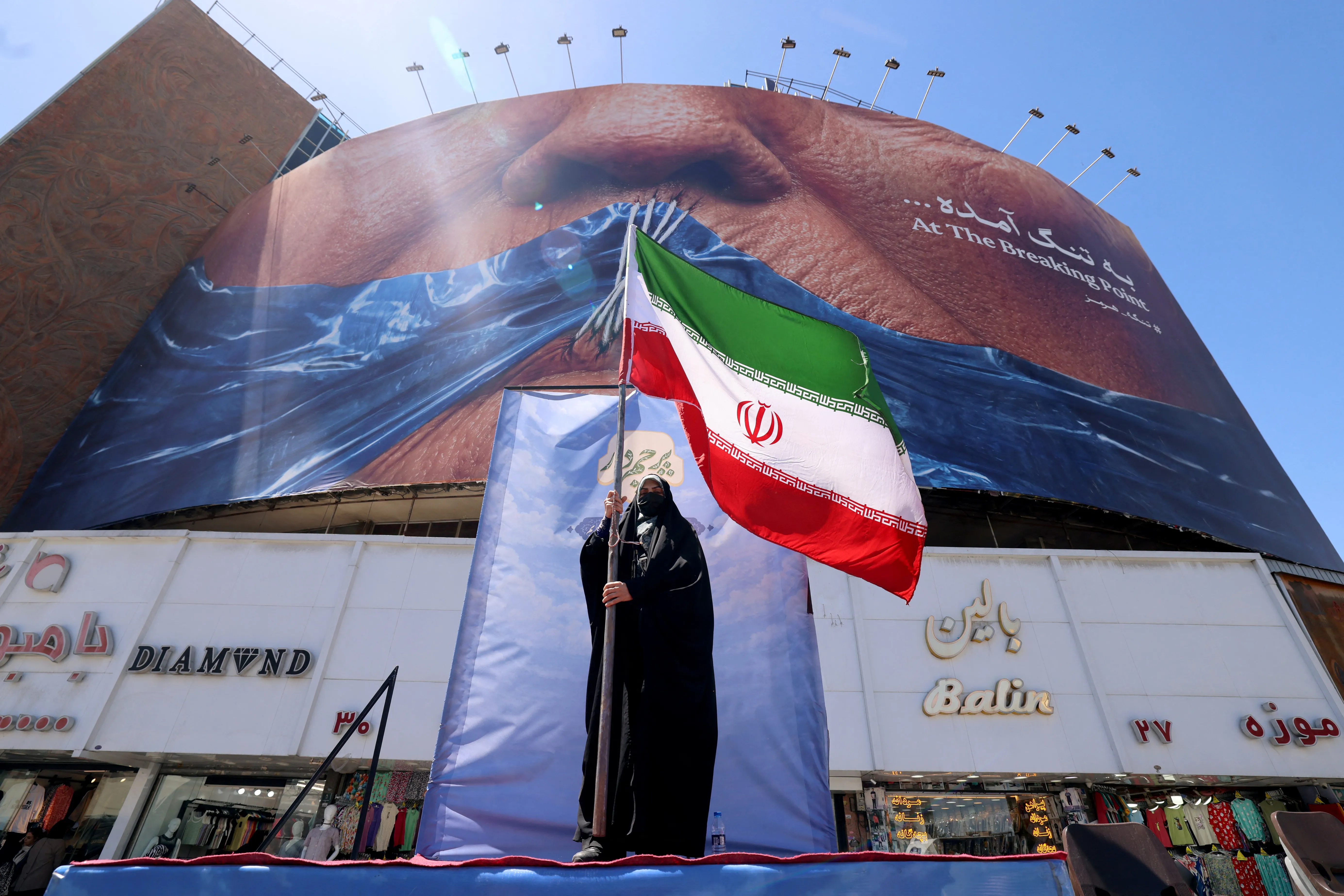
US President Donald Trump has rejected Iran's response to American nuclear proposals as "unacceptable," escalating diplomatic tension just as Iran's military publicly warned it stands ready for conflict if a war with the US and Israel restarts.
The exchange marks a sharp deterioration in back-channel nuclear talks. Trump's blunt rejection signals that whatever Tehran offered in response to Washington's terms fell well short of what the White House considers a workable deal. The specific terms Iran proposed, and exactly where the two sides disagree, have not been publicly detailed, but the language from both capitals suggests the gap is wide.
Iran's military statement adds a harder edge to the diplomatic standoff. By declaring readiness for renewed conflict, Tehran is signaling it will not negotiate under what it sees as military pressure, a posture that reduces the room for compromise and raises the risk of miscalculation.
Lebanon: Israeli Strike Kills Two Medics
Separately, Israeli forces killed two medics in Lebanon, according to the article. The strike adds to tensions on Israel's northern front, where sporadic incidents have continued even after the ceasefire that ended the major conflict with Hezbollah. Attacks on medical personnel draw particular international scrutiny under the laws of armed conflict, and incidents like this typically generate pressure on Israel from European governments and humanitarian bodies.
What This Means for Markets and Policy
The combination of stalled nuclear diplomacy and active military incidents in the region keeps a risk premium embedded in oil prices. Any signal that US-Iran talks are collapsing tends to push crude higher, as traders price in the chance of supply disruption from the Gulf. Investors in defense, energy, and regional emerging markets will be watching the next exchange between Washington and Tehran closely.
The immediate question is whether the US follows Trump's rejection with a new proposal, a deadline, or a shift toward sanctions pressure. Iran's military posture suggests Tehran is preparing its domestic audience for the possibility that talks fail, which would return the situation to a state of open-ended standoff, or worse.