
Qatar Signals Progress in US-Iran War Talks
Qatar's foreign ministry said mediators including Qatar, Pakistan, and Oman have reached "very progressive stages" in efforts to end the US-Iran war, pushing Brent crude down more than four percent.
Key Takeaways
May 10, 2026 · 2 min read · By Rishabh Bhardwaj
·
AI-assisted, human-reviewed · Our editorial standards
A ceasefire between the United States and Iran is holding, but tensions remain sharp as Iran's Islamic Revolutionary Guard Corps (IRGC) has warned Washington against any attacks on Iranian tankers or shipping. Separately, Israeli strikes in Lebanon killed 24 people.
The IRGC, Iran's elite military force that controls much of the country's naval operations in the Gulf, issued a direct warning to the US not to target Iranian vessels. The warning comes in the fragile early phase of the ceasefire, when both sides are still testing the boundaries of what the agreement covers. Iranian tankers have been a point of friction for years, with the US previously seizing or sanctioning vessels it accused of moving oil in violation of sanctions.
The ceasefire itself appears to be holding for now, but the IRGC's public statement signals that Tehran is watching closely for any move it would consider a violation. Attacks on shipping, whether direct military strikes or seizures, could give Iran a justification to walk away from the agreement or retaliate in the Gulf, a waterway through which a significant share of the world's oil flows.
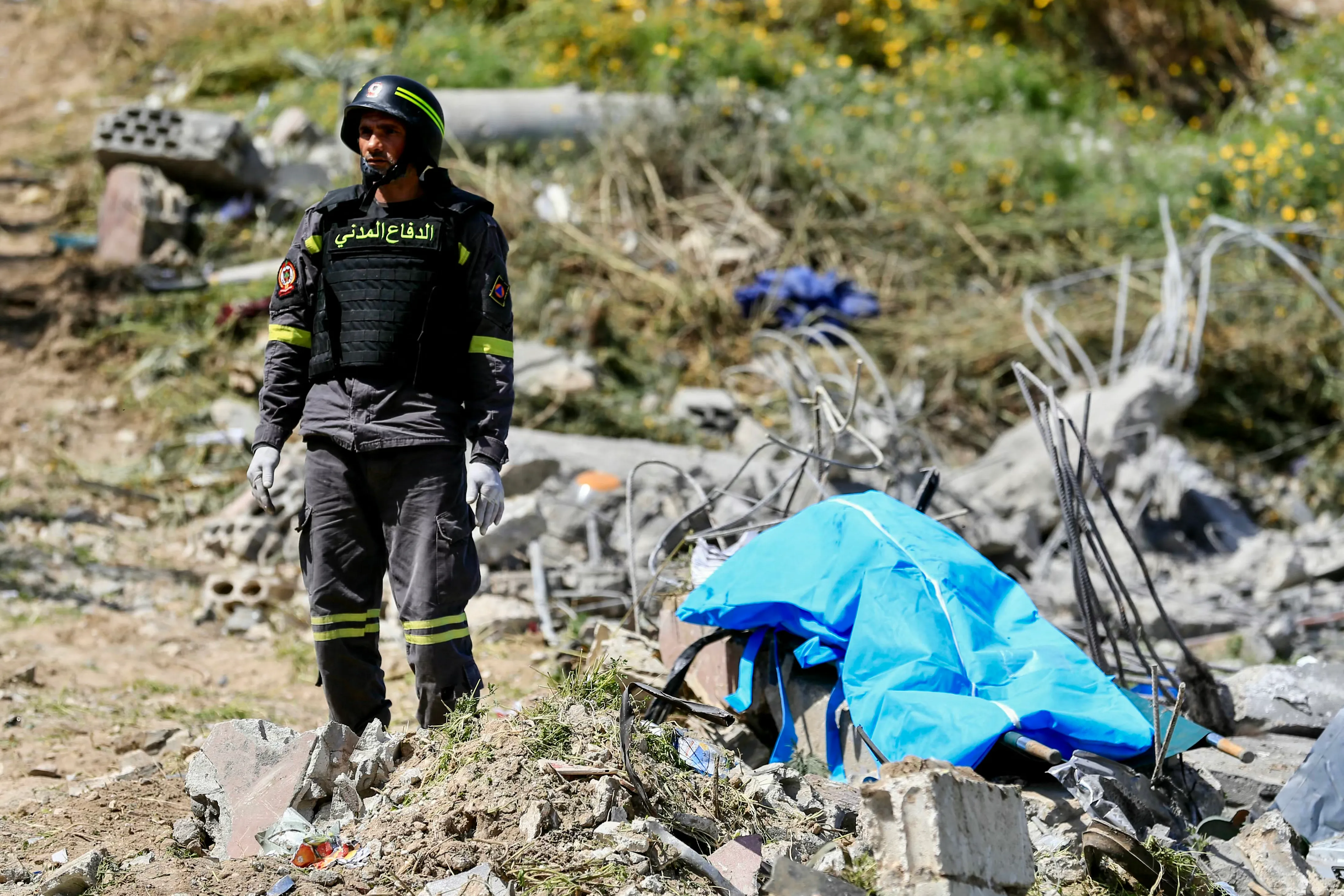
While the US-Iran ceasefire draws attention, Israel conducted strikes in Lebanon that killed 24 people. The article does not detail the specific targets or locations of the strikes, but the attacks mark continued Israeli military activity in Lebanese territory even as broader regional diplomacy is in motion.
The combination of a fragile US-Iran ceasefire and ongoing Israeli strikes in Lebanon keeps the wider Middle East on edge. Any escalation in Lebanon could draw in Hezbollah more deeply, and Hezbollah's ties to Tehran mean that a flare-up there could put pressure on the ceasefire between Washington and Iran.
Watch for whether the US responds formally to the IRGC's tanker warning, any new Israeli strikes or casualty reports from Lebanon, and whether ceasefire talks move toward a more structured or permanent arrangement.
Qatar's foreign ministry said mediators including Qatar, Pakistan, and Oman have reached "very progressive stages" in efforts to end the US-Iran war, pushing Brent crude down more than four percent.
Qatar confirmed it is mediating between the US and Iran but said no direct talks are currently planned. The clarification follows conflicting statements from President Trump, who claimed talks are under way, and Tehran, which denied any dialogue is happening.
Saudi Aramco reported sharply higher second-quarter 2026 profits as the Iran war restricts global oil supply and pushes crude prices up. Other oil supermajors also posted outsized earnings, raising concerns about sustained fuel cost pressure for importing economies.
President Trump called current Iran negotiations the "last chance" to end five months of conflict, pushing oil prices higher. Tehran denied formal talks are taking place, raising the risk of a diplomatic breakdown with direct consequences for global energy markets.