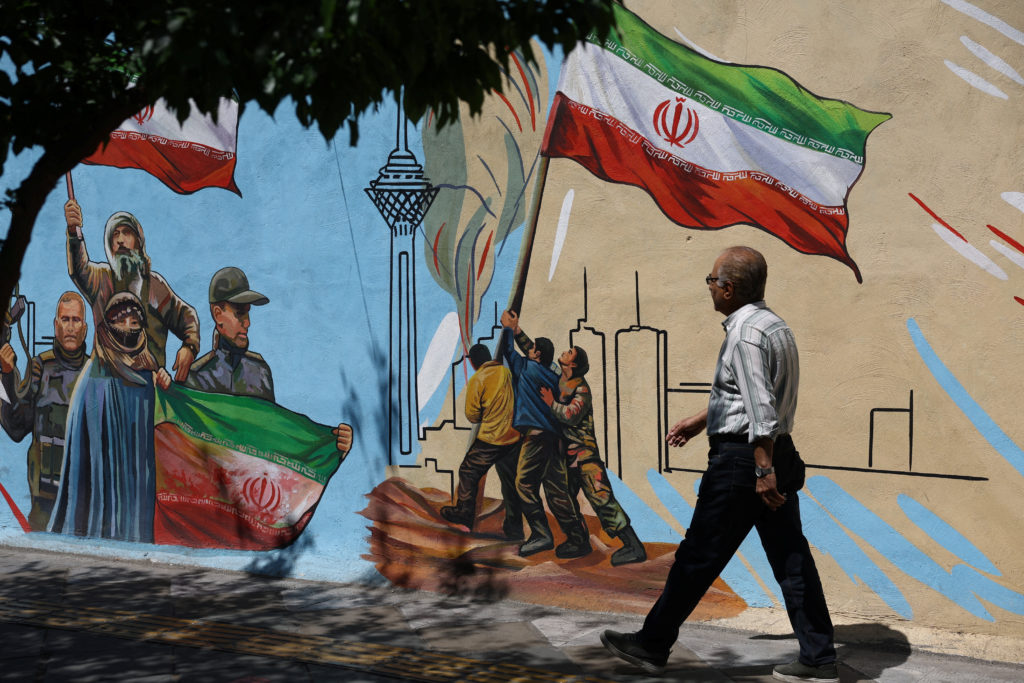
Ceasefire talks between Iran and the United States have hit a serious wall after President Donald Trump publicly dismissed Tehran's latest negotiating proposal as "totally unacceptable," raising fears that the fragile pause in fighting could collapse.
The breakdown in tone matters because both sides had been edging toward a framework that could hold. When a sitting U.S. president labels a proposal from the other side in open terms like this, it signals the gap between positions is wide, not narrow. Diplomatic language tends to soften when a deal is close; this is the opposite.
What Is at Stake in the Region
A return to open warfare between Iran and U.S.-aligned forces would carry consequences well beyond the battlefield. The Middle East sits at the center of global oil and gas supply routes, and any sustained military escalation typically disrupts energy shipments, pushes up oil prices, and tightens supply for importing countries worldwide. The conflict had already contributed to an energy crisis, and renewed fighting would likely deepen it.
Iran's position in the region also touches multiple proxy relationships, in Iraq, Syria, Lebanon, and Yemen, meaning a collapse of ceasefire talks rarely stays contained to two parties. Neighboring governments and armed groups watch these signals closely and adjust their own postures accordingly.
What to Watch Next
The next few days will be telling. Whether Iran submits a revised proposal, whether back-channel talks continue despite the public hostility, and whether third-party mediators step in will all indicate whether this is a negotiating tactic or a genuine breakdown. Energy markets will be sensitive to any further escalation signals, particularly around shipping lanes in the Persian Gulf and Strait of Hormuz, which carry a large share of global oil exports.
For now, the ceasefire is technically still in place, but Trump's language has made its continuation look less certain than it did before his statement.