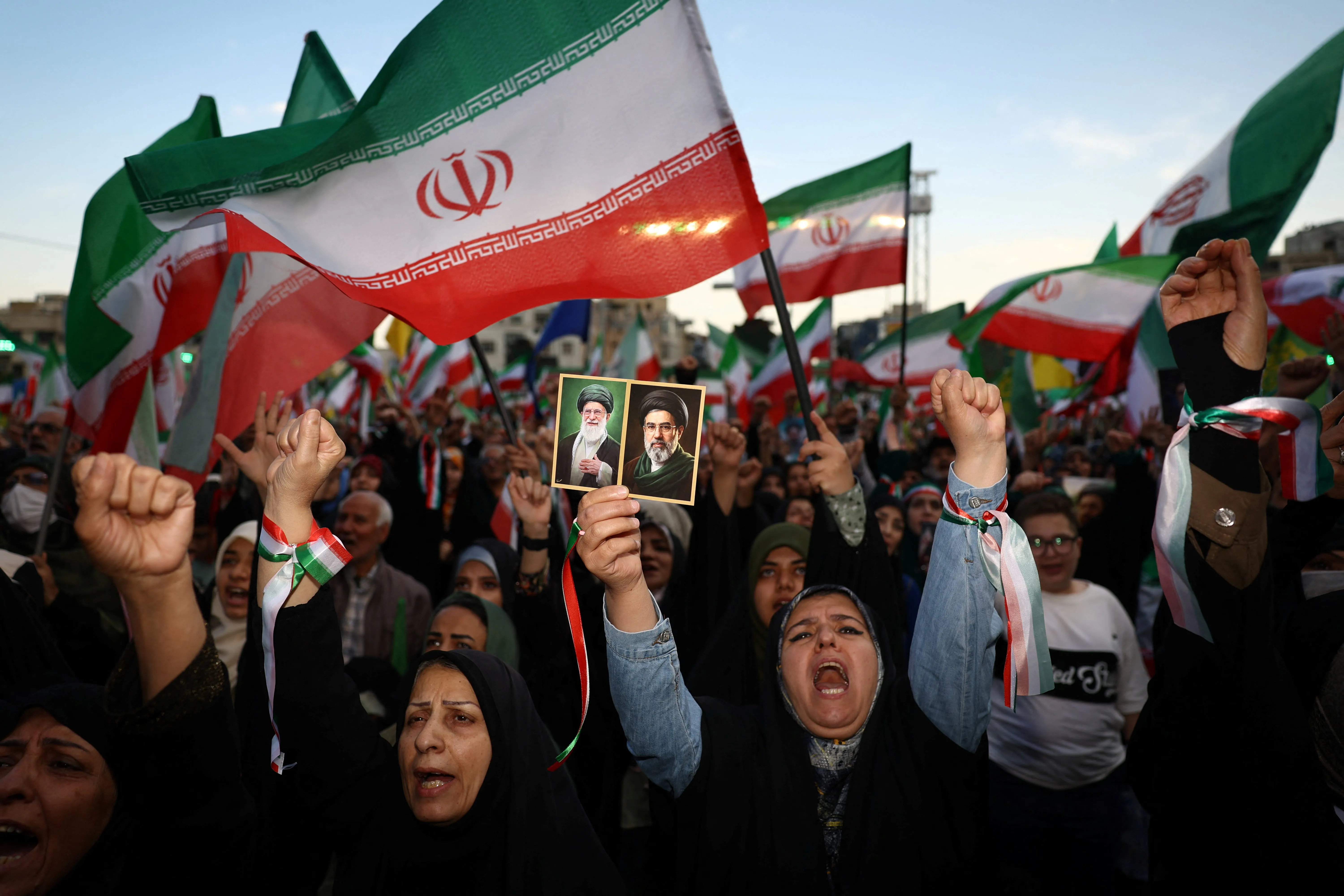
Iran has warned the United States of a "long, painful" response if American military strikes resume, signaling that tensions remain sharp despite a ceasefire in place since April 8. The warning comes as diplomatic efforts to reach a broader resolution have stalled, leaving the two sides in an uneasy standoff. The ceasefire has paused active hostilities, but Iran's language suggests it is positioning itself to retaliate at scale if the truce breaks down. No specific trigger or timeline was named in the threat, but the framing signals Iran views any renewed US action as crossing a threshold that would justify a sustained counter-response. For markets and policymakers, the key variable is whether diplomatic talks can restart before the ceasefire frays. An escalation would carry immediate consequences for oil prices, regional shipping lanes, and broader Gulf security arrangements. The situation warrants close watching given how little ground the two sides appear to have covered since April 8.
Iranian armed forces attacked a cargo ship in the Strait of Hormuz on Thursday, briefly halting traffic through the waterway. The strike threatens a fragile US-Iran arrangement and could push shipping insurance costs and oil prices higher.
The US has struck Iran, with President Trump citing an Iranian attack on a ship in the Strait of Hormuz as justification. The action raises immediate risks for global oil flows through one of the world's most critical shipping chokepoints.
The US struck ten Iranian targets on the second consecutive day of military action, putting a fragile ceasefire under serious pressure. The escalation raises immediate risks for Gulf shipping, global oil supply, and regional stability.
Venezuela's twin earthquakes, magnitudes 7.2 and 7.5, have killed at least 164 people and injured 971, interim president Delcy Rodriguez confirmed Thursday. The quakes are the country's strongest since 1900, collapsing buildings across Caracas and prompting a state of emergency, with the death toll expected to rise as