
Qatar Signals Progress in US-Iran War Talks
Qatar's foreign ministry said mediators including Qatar, Pakistan, and Oman have reached "very progressive stages" in efforts to end the US-Iran war, pushing Brent crude down more than four percent.
Key Takeaways
May 10, 2026 · 2 min read · By Rishabh Bhardwaj
·
AI-assisted, human-reviewed · Our editorial standards
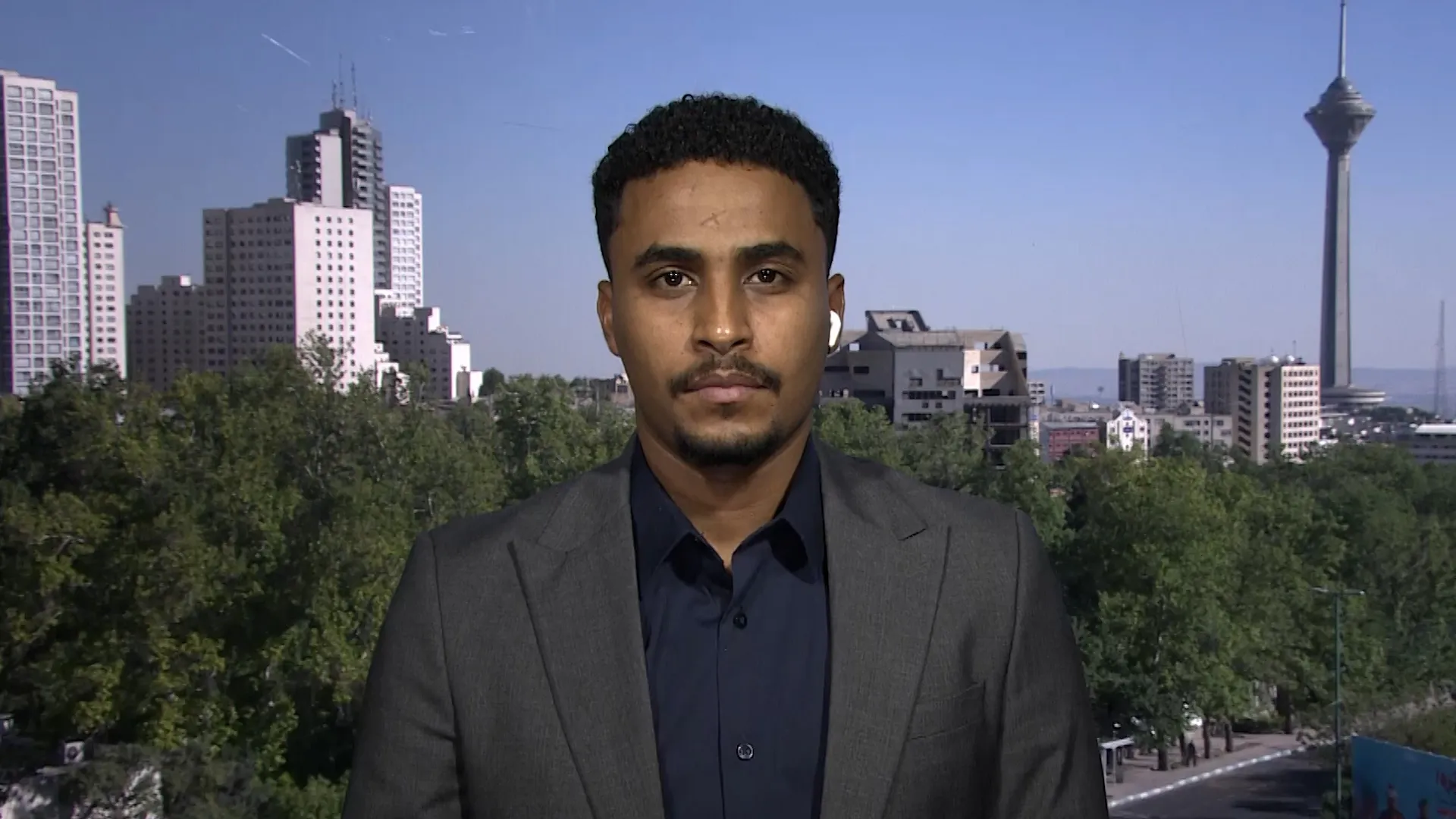
Iran has sent a response to a United States ceasefire proposal through Pakistan, with Tehran using Islamabad as a diplomatic channel to communicate its position to Washington.
Iran's stated priorities in the talks are straightforward: stop the fighting and get binding guarantees that rule out future military strikes against it. Tehran has made clear it wants any deal to address both the immediate halt to hostilities and longer-term security assurances, not just a temporary pause.
The use of Pakistan as an intermediary reflects the absence of direct diplomatic relations between Iran and the United States. When countries cannot or choose not to talk directly, they route communications through a third party both sides trust enough to deliver messages accurately. Pakistan, which shares a border with Iran and maintains ties with Washington, has taken on that role here.
The fact that Iran has sent a formal response, rather than rejecting talks outright, signals that a diplomatic channel is open. But the content of Tehran's demands, guaranteed protection from future attacks, is a high bar. Such guarantees are difficult to structure and verify, and the US has not publicly confirmed what its ceasefire proposal contained or what guarantees, if any, it offered.
The sequence now matters. A response has been delivered, but whether the US accepts, counters, or rejects Iran's terms will determine whether negotiations advance or stall. Any agreement would also need to account for the positions of other parties involved in the broader conflict.
Investors and policymakers watching the Middle East will note that an open channel is better than none, but the gap between Iran's demand for security guarantees and a workable ceasefire framework could still be wide. Oil markets, regional stability, and US foreign policy posture in the Gulf all remain sensitive to how this unfolds.
The next signal to watch is Washington's public or private reaction to Iran's response, and whether Pakistan continues in the intermediary role or a broader diplomatic format takes shape.
Qatar's foreign ministry said mediators including Qatar, Pakistan, and Oman have reached "very progressive stages" in efforts to end the US-Iran war, pushing Brent crude down more than four percent.
Qatar confirmed it is mediating between the US and Iran but said no direct talks are currently planned. The clarification follows conflicting statements from President Trump, who claimed talks are under way, and Tehran, which denied any dialogue is happening.
Saudi Aramco reported sharply higher second-quarter 2026 profits as the Iran war restricts global oil supply and pushes crude prices up. Other oil supermajors also posted outsized earnings, raising concerns about sustained fuel cost pressure for importing economies.
President Trump called current Iran negotiations the "last chance" to end five months of conflict, pushing oil prices higher. Tehran denied formal talks are taking place, raising the risk of a diplomatic breakdown with direct consequences for global energy markets.