
Qatar Signals Progress in US-Iran War Talks
Qatar's foreign ministry said mediators including Qatar, Pakistan, and Oman have reached "very progressive stages" in efforts to end the US-Iran war, pushing Brent crude down more than four percent.
Key Takeaways
May 3, 2026 · 2 min read · By Rishabh Bhardwaj
·
AI-assisted, human-reviewed · Our editorial standards
Iran says the United States has formally responded to its latest nuclear proposal, though neither side has disclosed the contents of that response. The development marks a new step in diplomatic back-and-forth that has been running for weeks, as both governments try to find common ground over Iran's nuclear program and the sanctions that constrain its economy.
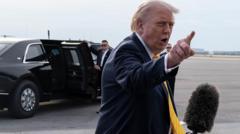
Before he reviewed the proposal on Saturday, President Donald Trump said he could not imagine the offer "would be acceptable." That comment, made before he had seen the details, signals how wide the gap remains between the two sides, even as the talks continue.
The sequencing matters. Trump's remark was a public signal of low expectations, not a formal rejection. Iran chose to confirm the US response anyway, suggesting Tehran wants to keep the process alive and on the record, whatever the contents of the reply.
Iran's nuclear program sits at the center of this standoff. Western governments worry that Iran is moving closer to the ability to build a nuclear weapon. Iran says its program is for civilian energy. Sanctions imposed over the program have badly damaged Iran's economy, cutting its oil exports and limiting access to global financial systems.
Any deal that eases those sanctions would directly affect global oil supply. Iran holds some of the world's largest proven oil reserves, and sanctions have kept a significant volume of that oil off international markets. A breakthrough could shift supply expectations and put downward pressure on prices; a collapse in talks could do the opposite.
For now, neither side has confirmed what the US response said, what terms Iran originally proposed, or whether a further round of talks is scheduled. With Trump already framing expectations negatively before reading the proposal, the near-term path to an agreement looks narrow. What happens next depends on whether negotiators can find technical ground that neither leader has publicly ruled out.
Qatar's foreign ministry said mediators including Qatar, Pakistan, and Oman have reached "very progressive stages" in efforts to end the US-Iran war, pushing Brent crude down more than four percent.
Qatar confirmed it is mediating between the US and Iran but said no direct talks are currently planned. The clarification follows conflicting statements from President Trump, who claimed talks are under way, and Tehran, which denied any dialogue is happening.
Saudi Aramco reported sharply higher second-quarter 2026 profits as the Iran war restricts global oil supply and pushes crude prices up. Other oil supermajors also posted outsized earnings, raising concerns about sustained fuel cost pressure for importing economies.
President Trump called current Iran negotiations the "last chance" to end five months of conflict, pushing oil prices higher. Tehran denied formal talks are taking place, raising the risk of a diplomatic breakdown with direct consequences for global energy markets.