Iran has declared it will not yield to American demands, after the United States rejected a counteroffer from Tehran, leaving nuclear and regional tensions without a clear path to resolution.
The standoff follows Iran's refusal to accept terms put forward by the Trump administration, which had sought to constrain Iran's nuclear programme and its influence across the Middle East. Iran responded with its own conditions, which Washington then rejected, breaking what appeared to be a potential opening for talks.
The Strait of Hormuz Factor
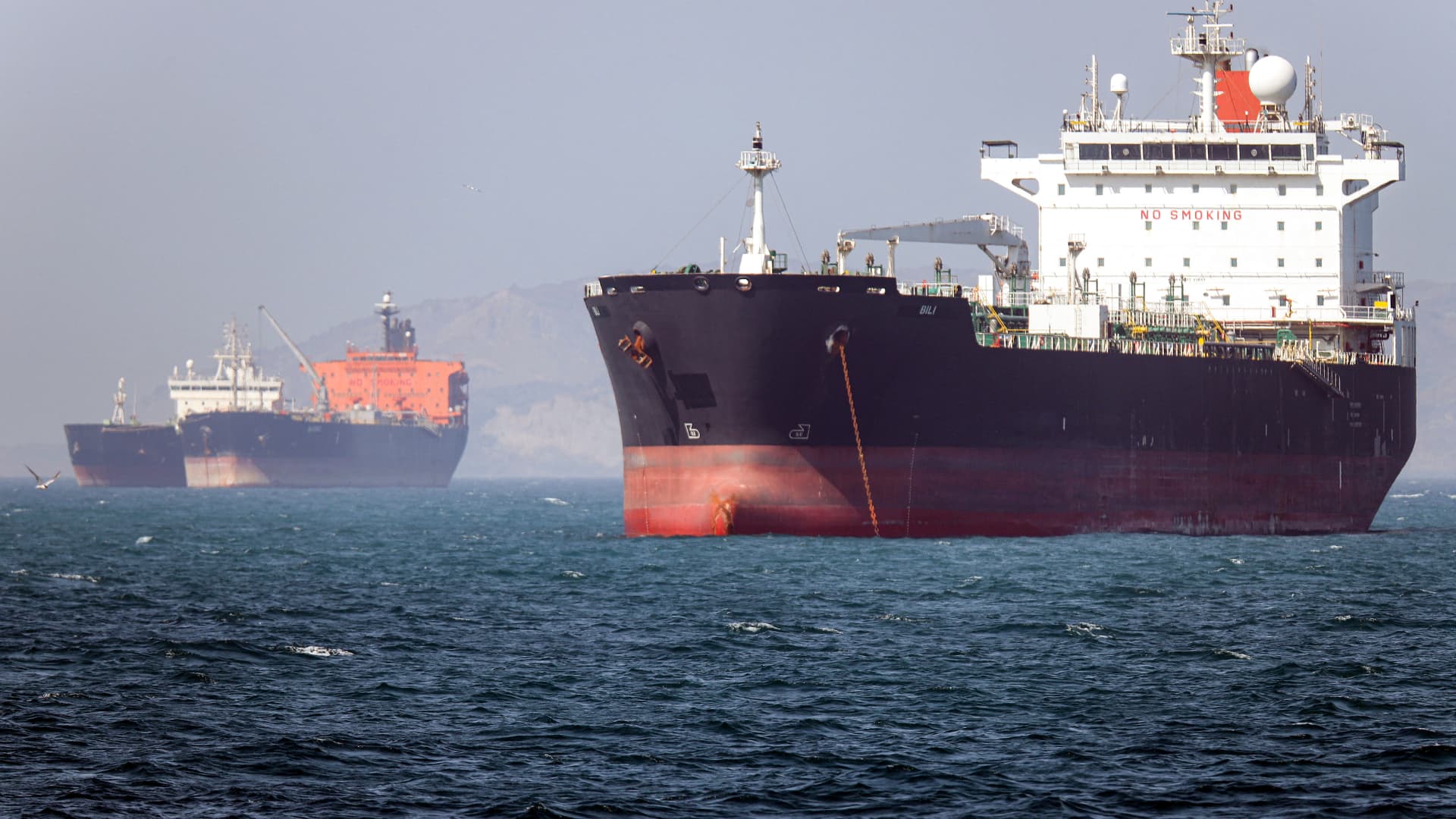
A key pressure point in the standoff is the Strait of Hormuz, the narrow waterway through which a large share of global oil exports pass. The Trump administration has been pushing China to use its economic ties with Iran to persuade Tehran to keep the strait open and return to negotiations. Whether Beijing is willing to play that role is far from settled.
China is Iran's largest oil customer and has maintained trade ties with Tehran despite Western sanctions. That gives Beijing potential leverage, but China has historically resisted acting as a proxy enforcement arm for American foreign policy. The administration's request puts Beijing in an uncomfortable position: act against a trading partner, or be seen as enabling an adversary of the United States.
What This Means for Markets and Policy
Oil markets are sensitive to any signal of instability near the Strait of Hormuz. A disruption there, even a short one, could push crude prices sharply higher, feeding through to fuel costs, shipping rates, and broader inflation. The longer the diplomatic impasse drags on, the higher the risk premium markets attach to Middle East oil supply.
For U.S. policy, the failed counteroffer exchange narrows the near-term options. Direct talks appear stalled, third-party mediation through China is uncertain, and military options carry enormous escalation risk. Iran's public declaration that it will "never bow" signals that Tehran is not signalling flexibility ahead of further negotiations.
Watch for whether China responds formally to Washington's request, any change in Iranian rhetoric around nuclear enrichment levels, and how oil futures markets price the ongoing uncertainty. A concrete Chinese response, or the absence of one, will be the next meaningful signal on where this heads.