
Qatar Signals Progress in US-Iran War Talks
Qatar's foreign ministry said mediators including Qatar, Pakistan, and Oman have reached "very progressive stages" in efforts to end the US-Iran war, pushing Brent crude down more than four percent.
Key Takeaways
May 7, 2026 · 2 min read · By Rishabh Bhardwaj
·
AI-assisted, human-reviewed · Our editorial standards
Iran says it is reviewing a new U.S. proposal aimed at ending the conflict, as President Donald Trump publicly threatened a fresh wave of bombing if Tehran does not reach an agreement. A central demand in the U.S. position is that the Strait of Hormuz remain open to international shipping.
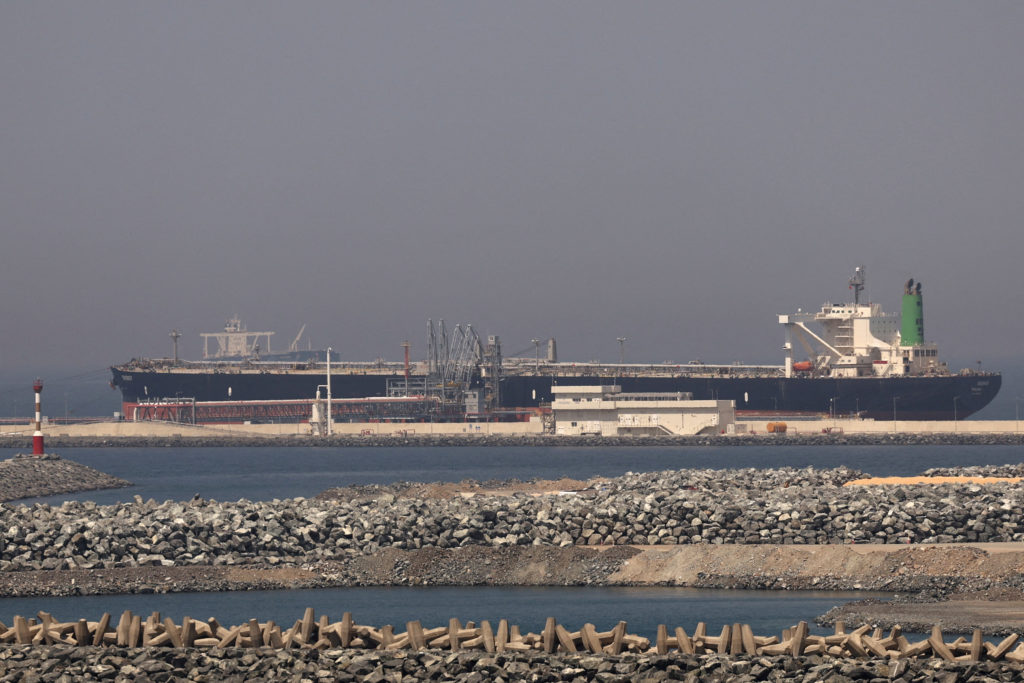
The Strait of Hormuz is one of the world's most critical oil chokepoints. Roughly 20% of global oil supply passes through the narrow waterway between Iran and Oman. Any closure or disruption there sends energy prices sharply higher and ripples through freight, insurance, and commodity markets worldwide.
Trump's pressure is not just diplomatic. He has paired the call for a deal with an explicit military threat, signaling that the U.S. is prepared to escalate if talks fail. The inclusion of Hormuz access as a core condition suggests Washington wants guarantees on energy flow as part of any final agreement, not just a pause in hostilities.
Iran's confirmation that it is reviewing the proposal is a minimal signal, it does not indicate acceptance or rejection. The word "reviewing" is standard diplomatic language that keeps the door open without committing to anything. What matters next is whether Tehran responds with a counter-proposal or goes silent, which would signal a breakdown.
Oil markets are highly sensitive to any signal from this corridor. Even the possibility of Hormuz disruption tends to push crude prices higher, raising costs for importers, including India, which sources a significant share of its oil from Gulf producers and ships it through the strait. A deal that formally guarantees passage would reduce that risk premium embedded in current prices.
For global shipping and energy companies, the stakes are immediate. Insurance rates for tankers transiting the Persian Gulf rise sharply during periods of tension. A credible agreement would ease those costs; a collapse in talks would likely push them higher.
The broader question is whether Iran's review leads to genuine negotiation or is a delay tactic. Trump's history of pairing threats with deal-making suggests the U.S. is using maximum pressure as a negotiating tool rather than a fixed prelude to military action, but that calculus can shift quickly if Tehran is seen as stalling.
Watch for Iran's formal response to the proposal, any scheduled diplomatic meetings, and oil price moves as early indicators of where this is heading.
Qatar's foreign ministry said mediators including Qatar, Pakistan, and Oman have reached "very progressive stages" in efforts to end the US-Iran war, pushing Brent crude down more than four percent.
Qatar confirmed it is mediating between the US and Iran but said no direct talks are currently planned. The clarification follows conflicting statements from President Trump, who claimed talks are under way, and Tehran, which denied any dialogue is happening.
Saudi Aramco reported sharply higher second-quarter 2026 profits as the Iran war restricts global oil supply and pushes crude prices up. Other oil supermajors also posted outsized earnings, raising concerns about sustained fuel cost pressure for importing economies.
President Trump called current Iran negotiations the "last chance" to end five months of conflict, pushing oil prices higher. Tehran denied formal talks are taking place, raising the risk of a diplomatic breakdown with direct consequences for global energy markets.