
Qatar Signals Progress in US-Iran War Talks
Qatar's foreign ministry said mediators including Qatar, Pakistan, and Oman have reached "very progressive stages" in efforts to end the US-Iran war, pushing Brent crude down more than four percent.
Key Takeaways
May 29, 2026 · 3 min read · By Rishabh Bhardwaj
·
AI-assisted, human-reviewed · Our editorial standards
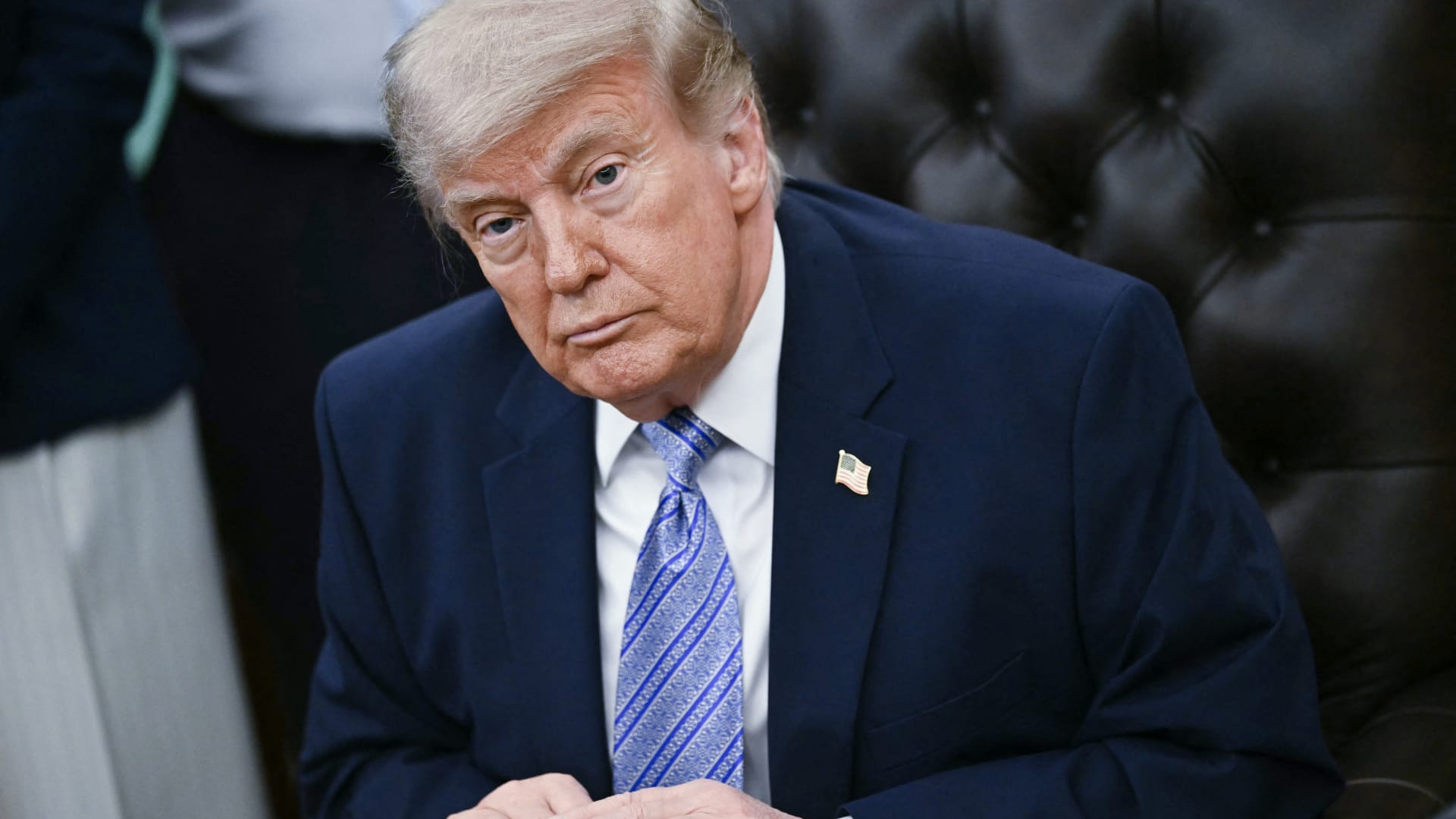
Reports of Iranian missile launches are landing alongside active diplomatic maneuvering, with President Donald Trump said to be considering a deal that would pause the conflict for roughly two months.
The timing is pointed. Trump has publicly stated he feels no pressure to reach an agreement with Iran before November's midterm elections, a signal that he views his political position as strong enough to wait for terms he considers acceptable. That posture shapes how both sides are likely to approach any near-term negotiation.
A two-month pause, if it materializes, would be a ceasefire-style arrangement rather than a permanent settlement. Such deals are designed to create space for diplomacy, but they also carry real risk: both parties retain their capabilities, underlying disputes go unresolved, and the pause can collapse if either side concludes the other is using the window to rearm or reposition.
The military and economic pressures are running in parallel. Missile activity from Iran signals that Tehran is not simply waiting at the table. At the same time, economic pressure tools, likely including sanctions, are part of the current American posture. The combination is a classic coercive bargaining setup: each side is trying to raise the other's cost of continued conflict while signaling conditional willingness to negotiate.
For markets, the key variables are oil supply risk and broader Middle East stability. Iran is a significant oil producer, and any escalation that threatens Gulf shipping lanes or regional infrastructure tends to move energy prices quickly. A credible pause deal would likely ease that risk premium, while a breakdown in talks or further missile exchanges could push it higher.
The midterm election calendar Trump referenced matters because domestic politics often sets the rhythm of American foreign policy decisions. A president who says he feels no pressure to close a deal quickly is also signaling to allies and adversaries that he is not chasing a timeline. That can be a negotiating strength, but it also means the conflict and its associated risks could remain unresolved for weeks or months longer.
The critical near-term question is whether the missile activity reported represents a tactical signal, a negotiating pressure move, or a genuine escalation. Those three possibilities carry very different consequences. A tactical signal invites a diplomatic response. A negotiating move suggests talks are closer than they appear. A genuine escalation would likely derail any pause deal and trigger a sharper American reaction.
Separately, the shape of any proposed two-month arrangement matters enormously. Whether it includes a freeze on uranium enrichment, restrictions on missile testing, or purely a halt to direct military exchanges will determine how much practical de-escalation it actually delivers.
The coming days will likely clarify whether the missile reports and the pause talks are moving in the same direction or working against each other. Until then, the situation carries meaningful uncertainty for energy markets, regional allies, and the broader diplomatic picture.
Qatar's foreign ministry said mediators including Qatar, Pakistan, and Oman have reached "very progressive stages" in efforts to end the US-Iran war, pushing Brent crude down more than four percent.
Qatar confirmed it is mediating between the US and Iran but said no direct talks are currently planned. The clarification follows conflicting statements from President Trump, who claimed talks are under way, and Tehran, which denied any dialogue is happening.
Saudi Aramco reported sharply higher second-quarter 2026 profits as the Iran war restricts global oil supply and pushes crude prices up. Other oil supermajors also posted outsized earnings, raising concerns about sustained fuel cost pressure for importing economies.
President Trump called current Iran negotiations the "last chance" to end five months of conflict, pushing oil prices higher. Tehran denied formal talks are taking place, raising the risk of a diplomatic breakdown with direct consequences for global energy markets.