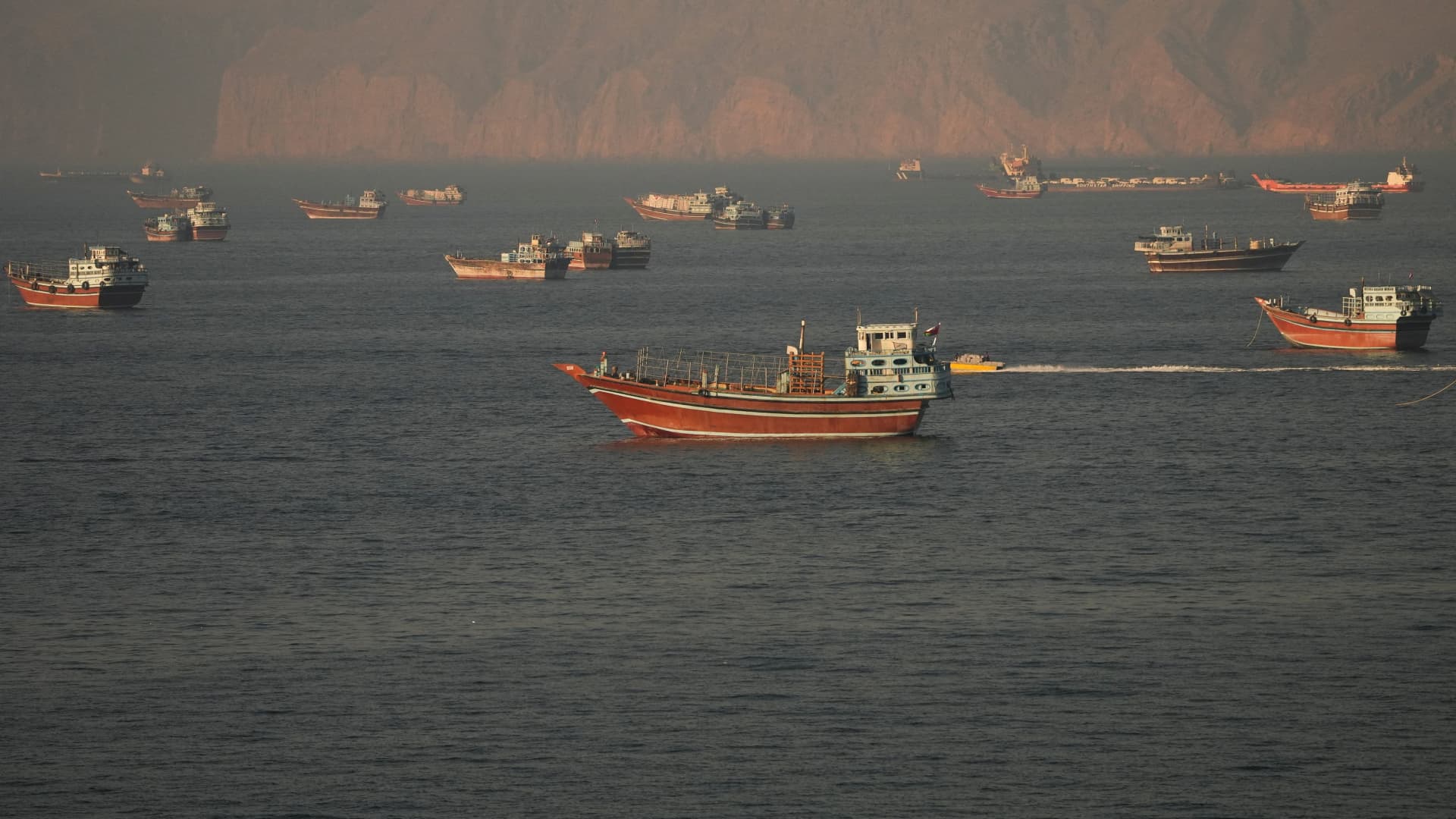
Iran has reportedly closed the Strait of Hormuz, one of the world's most critical oil shipping lanes, in what its joint military command described as a direct response to continued Israeli military operations in Lebanon.
The Strait of Hormuz is the narrow waterway between Iran and Oman through which roughly 20 percent of the world's traded oil passes every day. Any disruption there ripples almost instantly into global energy prices, shipping insurance costs, and the supply chains of oil-importing economies across Asia and Europe.
Iran's joint military command framed the closure as a retaliatory measure tied to Israeli actions in Lebanon, rather than to any direct confrontation with Western powers. That distinction matters because it shapes how the United States, Gulf states, and other regional actors calculate their response. A closure linked to the Israel-Lebanon conflict introduces a separate, harder-to-resolve trigger compared with past Hormuz standoffs that were more squarely tied to Iran's nuclear negotiations.
Shadow Over Nuclear Talks
The timing is particularly sensitive. Iran and the major powers have been engaged in nuclear diplomacy, and a move this provocative complicates the atmosphere around any ongoing or upcoming negotiating rounds. Closing a chokepoint this significant signals that Tehran is willing to escalate on multiple fronts simultaneously, which raises the cost of engagement for any party at the table. Negotiators typically need a stable backdrop to make concessions; a live military escalation makes that harder on all sides.
It is worth noting what the available information does not yet confirm. The precise mechanism of the closure, whether naval blockade, mining, or a declared no-go zone enforced by the Islamic Revolutionary Guard Corps Navy, has not been specified. The duration, scope, and whether commercial shipping has actually been halted or merely threatened also remain unclear from current reporting.
What Markets and Governments Are Watching
For energy markets, even a temporary or partial closure of Hormuz tends to trigger an immediate spike in crude oil prices. Benchmark prices for Brent crude and WTI are likely to face sharp upward pressure if tanker operators and insurers treat the closure as credible and active. Shipping insurers who cover war-risk premiums in the Persian Gulf will reassess exposure quickly, and some tanker operators may reroute around the Cape of Good Hope as a precaution, adding roughly two weeks to delivery times and significant freight costs.
Gulf producers including Saudi Arabia, the UAE, Iraq, and Kuwait all export oil through the strait. Any sustained disruption affects their revenues directly and puts pressure on OPEC+ coordination. Several Gulf states also import consumer goods through Hormuz, so the economic exposure is not only on the oil export side.
For India, the stakes are immediate and significant. India is one of the largest buyers of Middle Eastern crude, and a disruption in Hormuz would raise import costs, widen the trade deficit, and add inflationary pressure to fuel and freight prices domestically. Indian refiners have been managing tight margins, and a sustained supply shock would force difficult sourcing decisions.
The United States, which maintains a significant naval presence in the region through the Fifth Fleet based in Bahrain, will face immediate pressure to respond or at least to publicly assess the situation. Whether Washington treats this as a military provocation requiring a naval response, or as a diplomatic pressure point to be managed through back channels, will define how quickly the situation escalates or de-escalates.
The next key signals to watch are whether major tanker operators formally announce diversions, whether crude futures open with a significant gap, and whether any official communication from Iran clarifies the scope and duration of the closure. The response from the United States, Israel, and Gulf governments in the next 24 to 48 hours will likely determine whether this remains a signaling move or becomes a sustained confrontation.