
Qatar Signals Progress in US-Iran War Talks
Qatar's foreign ministry said mediators including Qatar, Pakistan, and Oman have reached "very progressive stages" in efforts to end the US-Iran war, pushing Brent crude down more than four percent.
Key Takeaways
May 7, 2026 · 2 min read · By Rishabh Bhardwaj
·
AI-assisted, human-reviewed · Our editorial standards
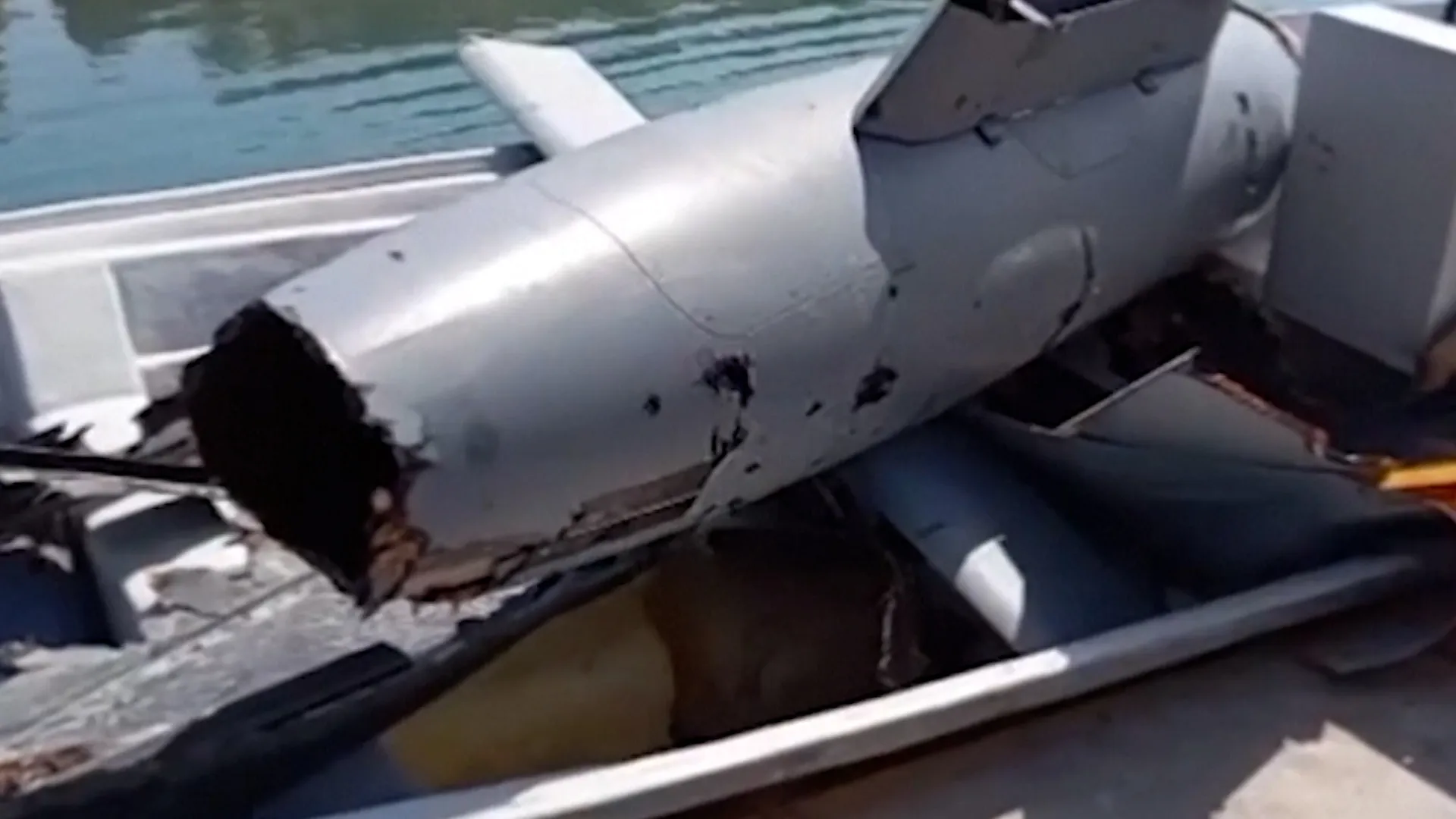
Iranian state media has released footage it claims shows the wreckage of a US drone shot down over or near the Strait of Hormuz. The video is presented as evidence of Iran's capability and willingness to target American military assets operating in the region.
The footage, broadcast by Iranian media, shows what is described as debris from a US drone. Iran says its forces brought the aircraft down, though the source material does not specify the drone's type, mission, or the weapon system used to destroy it.
The Strait of Hormuz is one of the world's most strategically sensitive waterways. Roughly 20% of global oil trade passes through it, making any military incident there immediately relevant to energy markets and shipping risk calculations.
Incidents involving US military assets and Iranian forces in or around Hormuz carry a direct transmission to oil prices and regional stability. Even without confirmed escalation, the release of such footage is a deliberate signaling act, Iran is broadcasting its air defense reach to a domestic and international audience.
For markets, the key question is whether either side treats this as an isolated incident or the start of a broader exchange. Past drone incidents in the region, including the 2019 shootdown of a US Navy surveillance drone near Hormuz, triggered short-term oil price spikes and sharpened debate in Washington over rules of engagement.
Shipping insurers and energy traders watch these flashpoints closely. A sustained uptick in perceived risk around Hormuz typically raises war-risk premiums on tankers transiting the strait, which feeds into freight costs and, eventually, fuel prices.
The US government's response, whether it confirms the loss, disputes the Iranian account, or signals a military reply, will shape how markets and regional actors read the next move. Absent that confirmation, the footage itself remains a claim, not a verified fact.
Qatar's foreign ministry said mediators including Qatar, Pakistan, and Oman have reached "very progressive stages" in efforts to end the US-Iran war, pushing Brent crude down more than four percent.
Qatar confirmed it is mediating between the US and Iran but said no direct talks are currently planned. The clarification follows conflicting statements from President Trump, who claimed talks are under way, and Tehran, which denied any dialogue is happening.
Saudi Aramco reported sharply higher second-quarter 2026 profits as the Iran war restricts global oil supply and pushes crude prices up. Other oil supermajors also posted outsized earnings, raising concerns about sustained fuel cost pressure for importing economies.
President Trump called current Iran negotiations the "last chance" to end five months of conflict, pushing oil prices higher. Tehran denied formal talks are taking place, raising the risk of a diplomatic breakdown with direct consequences for global energy markets.