
Qatar Signals Progress in US-Iran War Talks
Qatar's foreign ministry said mediators including Qatar, Pakistan, and Oman have reached "very progressive stages" in efforts to end the US-Iran war, pushing Brent crude down more than four percent.
Key Takeaways
May 10, 2026 · 2 min read · By Rishabh Bhardwaj
·
AI-assisted, human-reviewed · Our editorial standards
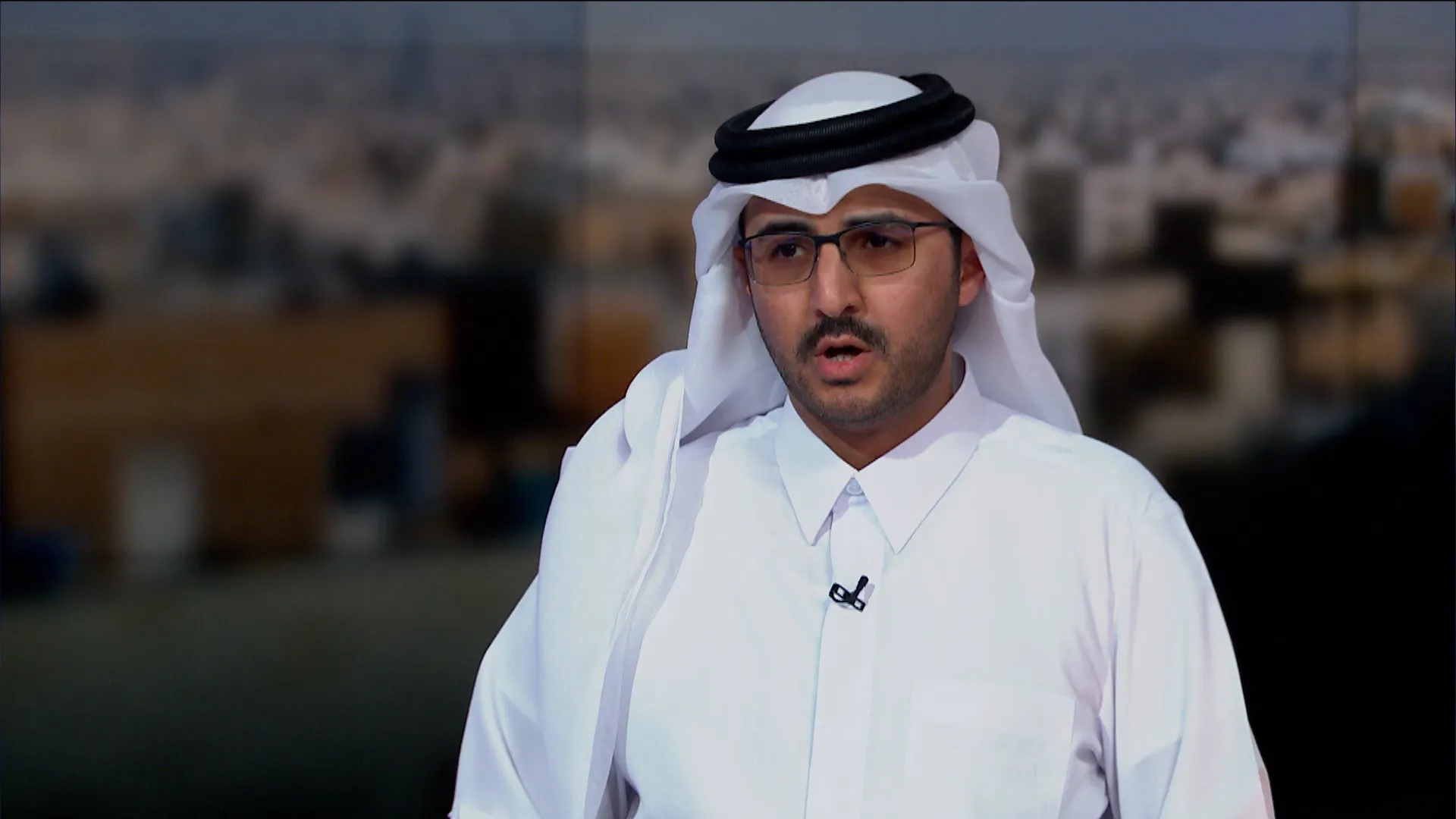
Iran has signaled it may offer assurances about how its nuclear facilities are used, but has drawn a clear line against destroying its uranium stockpile or allowing it to be transferred out of the country. The position marks a potential opening in negotiations while also setting firm limits on what Tehran will accept.
The offer of assurances on nuclear facility use suggests Iran could agree to constraints on what happens inside its enrichment or processing sites, possibly covering operating limits, inspection access, or permitted activities. This kind of commitment is distinct from physically giving up nuclear material, which Iran has explicitly ruled out.
The refusal to destroy uranium or allow it to be moved abroad is significant. In past nuclear deals, one key mechanism for limiting a country's nuclear capability has been shipping enriched uranium out of the country, reducing the amount available for potential weapons use. Iran is signaling that this particular tool is off the table.
The distinction between operational assurances and material surrender shapes what any new agreement could actually look like. If Iran won't move or destroy uranium, negotiators seeking to limit Iran's "breakout time", the period needed to produce enough material for a weapon, will have fewer options to work with. Any deal would need to rely more heavily on monitoring and restrictions rather than stockpile reduction.
Iran's position also reflects domestic political constraints. Agreeing to ship uranium abroad or destroy it would be a harder sell inside Iran than promising oversight of how facilities operate. Framing concessions as assurances rather than surrenders gives the Iranian government more room to manage the politics at home.
The broader context is a renewed push for a nuclear agreement following the collapse of the 2015 Joint Comprehensive Plan of Action framework after the United States withdrew in 2018. Iran has since expanded its enrichment program significantly.
What to watch: whether the countries involved in negotiations treat Iran's assurances offer as a workable foundation or an insufficient substitute for material limits. The gap between what Iran is willing to offer and what Western governments consider an adequate constraint on breakout capability will define whether talks can produce a deal.
Qatar's foreign ministry said mediators including Qatar, Pakistan, and Oman have reached "very progressive stages" in efforts to end the US-Iran war, pushing Brent crude down more than four percent.
Qatar confirmed it is mediating between the US and Iran but said no direct talks are currently planned. The clarification follows conflicting statements from President Trump, who claimed talks are under way, and Tehran, which denied any dialogue is happening.
Saudi Aramco reported sharply higher second-quarter 2026 profits as the Iran war restricts global oil supply and pushes crude prices up. Other oil supermajors also posted outsized earnings, raising concerns about sustained fuel cost pressure for importing economies.
President Trump called current Iran negotiations the "last chance" to end five months of conflict, pushing oil prices higher. Tehran denied formal talks are taking place, raising the risk of a diplomatic breakdown with direct consequences for global energy markets.